 English
 Lietuvių
 Latviešu
 Eesti
 Polski
 Русский
 Українська
 Deutsch
 Nederlands
 Čeština
 Slovenčina
 Svenska
 Norsk
 Dansk
 Suomi


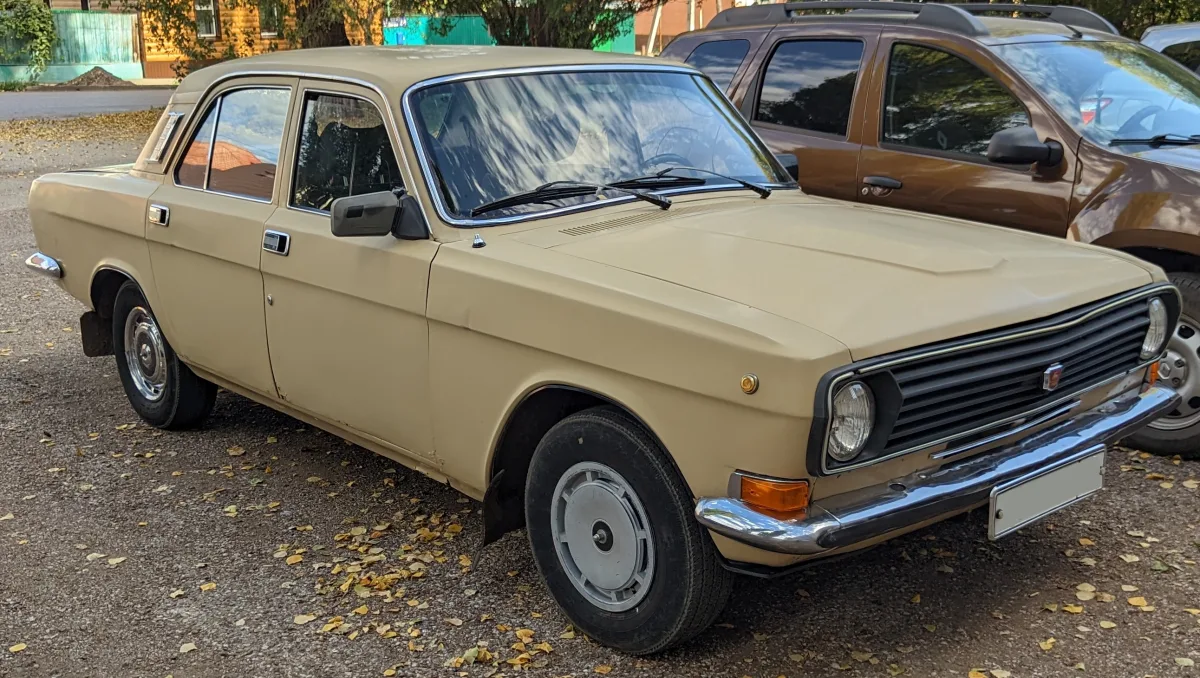
GAZ-24-10 Volga: the Soviet sedan and what the buyer should know
The GAZ-24-10 is the updated version of the GAZ-24 Volga, produced in the second half of the 1980s and the early 1990s. In this article, we briefly look at what sets it apart from earlier Volgas, its technology, and what to check when buying such a car.






GAZ-24-10 in brief
The GAZ-24-10 is an update of the GAZ-24 Volga: the car received a newer front end, different headlights, and a refreshed interior, but retained the core construction. It's a classic rear-wheel-drive sedan with a spacious interior and a sturdy chassis.
Today, it's mostly a collector's or enthusiast's car, not a daily driver, so condition and originality are particularly important.
Which version to choose
Besides the sedan, the Volga family included an estate, taxi, and other versions, so make sure you know which one you need before buying. Collectors usually look for original, unmodified, and minimally restored cars.
When buying, consider not just the trim level, but whether the car has been modified (engine, interior, wheels), as originality greatly affects value.
Engine and gearbox
The GAZ-24-10 typically came with a four-cylinder petrol engine, around 2.4–2.5 L, with a manual gearbox. Power was modest by later light car standards, but the engine was simple and reliable.
The gearbox is manual, with rear-wheel drive. Exact power figures vary by year, so refer to the specific car's documents.
What to check when buying such a car
The key thing to check is corrosion: sills, floors, wings, door sills, boot floor. Make sure the car hasn't been 'patched up' from several different vehicles or after a serious accident.
Ensure the engine isn't smoking, there are no oil leaks, and that the brakes and electrical systems are working properly. Parts may need to be sourced from collectors or specialist shops.


Trim levels
The GAZ-24-10 had few official trim levels; below we describe the most commonly encountered sedan version.
Sedanas
GAZ-24-10The classic sedan version is the most common on the market.
- Most often, you'll find a basic, standard interior
- Chrome details and a wide grille section
- Manual gearbox
GAZ-24-10 buying criteria
| Originalus, sausai laikytas | Restauruotas | Reikalaujantis darbo | |
|---|---|---|---|
| Who it suits | Collectors | Events, shows | Enthusiasts, DIY restorers |
| Condition | Best | Good, check the quality of the restoration | Depends on the restoration |
| Price in the used market (relatively) | €€ | €€ | € |
The best choice is an original car with a clear history. A cleverly restored variant can also be a good option if you check the quality of the work.
Pros
- Spacious, roomy interior
- Simple and easily serviceable technology
- Interesting collector's car
- Iconic symbol of the Soviet era
Cons
- High fuel consumption
- Corrosion and low safety levels
- Finding parts can take time
Frequently asked questions
Is the GAZ-24-10 suitable for daily use?
These are reliable — their safety and comfort levels are of their time, making them often used as weekend or event cars.
How does the GAZ-24-10 differ from the GAZ-24?
This is the updated version: the car received a different front end, headlights, and interior changes, while the core technology remained similar.
Can it be registered as a classic?
This depends on Lithuanian regulations and the car's age; before buying, check the registration and insurance details.
Updated 2026-10-21 · Trim levels and equipment vary by market and model year — check the equipment of the specific car. · Translated automatically


