 English
 Lietuvių
 Latviešu
 Eesti
 Polski
 Русский
 Українська
 Deutsch
 Nederlands
 Čeština
 Slovenčina
 Svenska
 Norsk
 Dansk
 Suomi


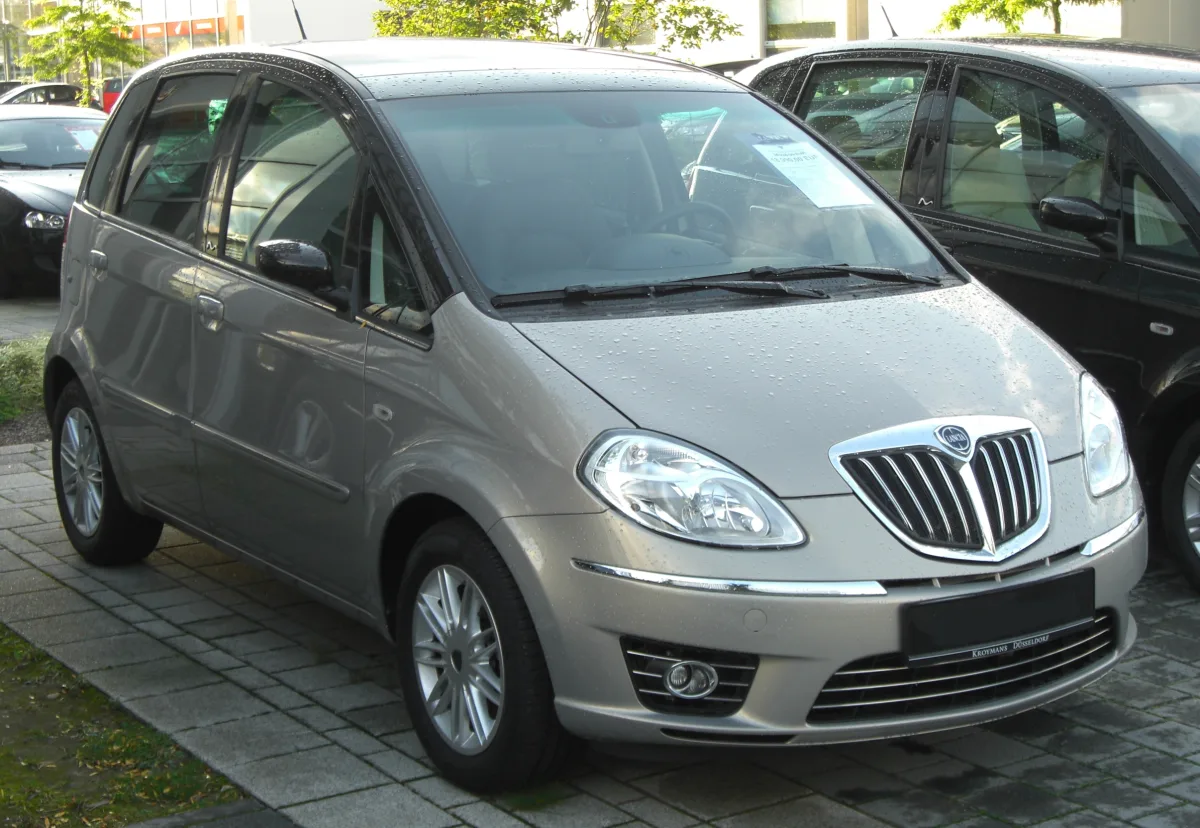
Lancia Musa: luxurious compact MPV, engines and trims
Lancia Musa (2004–2012) — a compact Italian MPV built on the Fiat Idea platform but with more luxurious trim and a distinctive look. We look at the engines, trims, and what to check before buying a used Musa.






Musa in brief
The Musa is a small, tall five-door MPV with a more luxurious appearance and interior than most of its class rivals. It's based on the Fiat Idea (Punto platform), so it's technically straightforward, but the interior offers more leather, wood trim, and space.
The Musa is rarely seen on the used market, but prices are low. It's a fairly practical family or city car with Italian charm.
Early and facelifted models
Around 2007, the Musa was facelifted: the front end and some interior and equipment details were changed. Facelifted models look more modern and are usually better equipped.
When choosing, the engine, trim, and condition of the specific car are more important than the year of manufacture. The engine range also changed over the years.
Engines and gearboxes
The Musa was offered with 1.4-litre petrol engines (8 or 16 valves, around 77 and 95hp) and Multijet diesel engines of 1.3, 1.6, and 1.9 litres. Diesels are economical, while the 1.4 16V is the more lively petrol option.
The gearbox is manual or automated (Dualogic). It's worth trying out the automated box beforehand, as its operation doesn't suit everyone.
What to check when buying a used Musa
In diesel cars, check for cold starting issues, smoke, and the condition of the fuel system. In petrol cars, check for oil leaks and how the throttle responds.
In cars with automatic transmissions, test if the gears engage smoothly and without hesitation. Check the interior electrics and air conditioning, as well as any rips and wear.
Pay attention to the panoramic roof (if present) — its condition and mechanism. Ask for the service history and check the accessibility of parts.


Trim levels
Names and equipment vary by market and year; we list the most commonly found names in Europe.
Argento
2004–2012 model yearsBase trim.
- Often — air conditioning
- Often — alloy wheels
- Often — sound system
Oro
2004–2012 model yearsMid-range trim.
- Often — automatic climate control
- Often — larger wheels
- Often — additional comfort features
Platino
2004–2012 model yearsTop-of-the-range trim.
- Often — single-tone interior trim
- Often — panoramic sunroof
- Often — generous comfort kit
Trim comparison
| Argento | Oro | Platino | |
|---|---|---|---|
| Who it's for | For the budget-conscious buyer | For the majority of buyers | For the luxury interior |
| Wheels (most common) | 15–16 inch | 16 inch | 16–17 inch |
| Interior | Simpler trim | More comfortable trim | The most luxurious trim |
| Price in the used market (relatively) | € | €€ | €€ |
Most buyers will find the Aero offers a great balance of comfort and value. It's popular with buyers seeking a more luxurious interior and often comes with more premium features.
Pros
- Luxurious, distinctive interior in the compact class
- High driving position and versatile interior
- Economical Multijet diesel engines
- Price in the used market is modest
Cons
- Selection of parts and services is narrower than for more popular models
- The automated gearbox isn't to everyone's taste
- Plenty of power and a spacious boot
Frequently asked questions
Is the Musa suitable for a family?
Yes. It's roomier than your average compact hatchback, making it ideal for families with kids or for hauling stuff.
Which engine is the best?
Many buyers opt for the 1.3 or 1.6 Multijet diesel for economy, or the 1.4 16V petrol for liveliness.
Is the Musa the same as the Fiat Idea?
Technically, yes: the Musa is based on the Fiat Idea but features a unique design and a more luxurious interior.
Updated 2026-10-19 · Trim levels and equipment vary by market and model year — check the equipment of the specific car. · Translated automatically


