 English
 Lietuvių
 Latviešu
 Eesti
 Polski
 Русский
 Українська
 Deutsch
 Nederlands
 Čeština
 Slovenčina
 Svenska
 Norsk
 Dansk
 Suomi


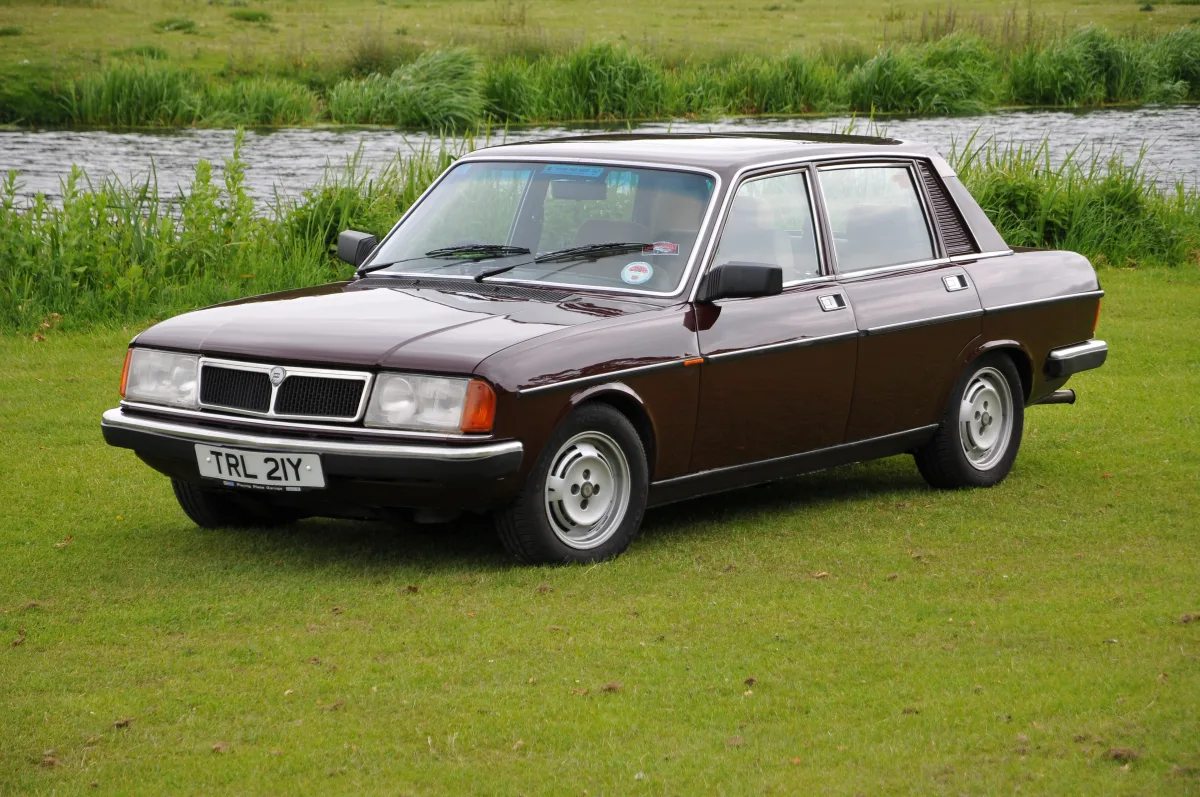
Lancia Trevi: 1980–1984 sedan, engines and what the buyer should know
The Lancia Trevi — a four-door sedan produced from 1980–1984, it was an updated version of the Lancia Beta sedan. We look at what sets it apart from the Beta, which engines were offered, and what to consider if you're thinking about buying this rare Italian classic.






Trevi in brief
The Trevi was introduced in 1980 as a more refined update to the Lancia Beta sedan. The car received a new, angular body with a conventional boot, while the interior design was crafted by the renowned designer Mario Bellini.
The technical foundation remained the same as the Beta — front-wheel drive, a transversely mounted engine, and independent suspension on all wheels. Today, the Trevi is a rare car: in Lithuania, it's found only as a purchase for enthusiasts or collectors.
Which version to choose
The main difference between the versions is the engine. The simplest choice is the 1.6-litre version, while the 2.0-litre engine offered more power for journeys. The most interesting version is the Trevi Volumex with a mechanical supercharger.
Beyond the standard cars, Lancia also created an experimental Trevi Bimotore with two engines. This isn't a production version, so it won't be relevant if you're looking to buy.
Engines and gearboxes
The Trevi engines are four-cylinder petrol units with twin overhead camshafts: around 1.6 and 2.0 litres, and the Volumex version has a 2.0-litre engine with a supercharger. The exact power outputs vary depending on the market and year, so it's worth checking the specific car's documents.
A manual five-speed gearbox is most common. The engine is mounted transversely, so access to some components can be tight, and jobs time-consuming.
What to check when buying a Trevi
Lancia cars from the late 1970s and early 1980s were notorious for rust, so first inspect the sills, wheel arches, front and rear subframes, and areas around the glass. A well-preserved body is more important than other parts – its restoration is often the most expensive.
Check the condition of the engine and gearbox, the timing belt replacement history, and in the Volumex version – the compressor operation. The choice of parts is limited, so evaluate whether the car has retained original details, especially the interior trim and dashboard.


Trim levels
Names and equipment vary by market and year; we list the versions most commonly found in Europe.
Trevi 1600
1980–1984The base version with a 1.6-litre engine.
- Approximately a 1.6-litre petrol engine
- Manual five-speed gearbox
- Often – simpler interior trim
Trevi 2000
1980–1984The more powerful version with a 2.0-litre engine.
- Approximately a 2.0-litre petrol engine
- Manual five-speed gearbox
- Often – more luxurious equipment
Trevi Volumex
1980–1984The sportiest series version with a compressor.
- 2.0-litre engine with mechanical supercharger
- More power than the standard version
- Often comes with more equipment
Comparison of the three versions
| 1600 | 2000 | Volumex | |
|---|---|---|---|
| Who it suits | For relaxed, occasional driving | For versatile use | For enthusiasts seeking the sportiest Trevi |
| Engine | Around 1.6 litres | Around 2.0 litres | 2.0-litre with supercharger |
| Price in the used market (relatively) | Budget | Mid-range | €€€ |
For many buyers, the condition of the body is more important than the engine — a well-maintained Trevi is worth more than a cheaper, but rusted one. Look for a Volumex only if you want a rarer, sportier version.
Pros
- A rare and distinctive Italian sedan
- Interior design by Mario Bellini
- Interesting Volumex version with a supercharger
- Clear characteristics of a 1990s Lancia
Cons
- High risk of corrosion
- Limited choice of parts and specialists
- Few price comparison data points — condition dictates value
Frequently asked questions
When was the Lancia Trevi produced?
The Trevi was produced from 1980 to 1984 as a refreshed Lancia Beta sedan.
How does the Trevi differ from the Beta?
The Trevi received a new body with a conventional boot and a new interior, while the core technology was essentially carried over from the Beta.
Is the Trevi suitable for daily use?
It can be, if the car is in good condition, but the choice of parts and specialists is limited, so it is often bought as a hobby car.
Updated 2026-10-21 · Trim levels and equipment vary by market and model year — check the equipment of the specific car. · Translated automatically


