 English
 Lietuvių
 Latviešu
 Eesti
 Polski
 Русский
 Українська
 Deutsch
 Nederlands
 Čeština
 Slovenčina
 Svenska
 Norsk
 Dansk
 Suomi


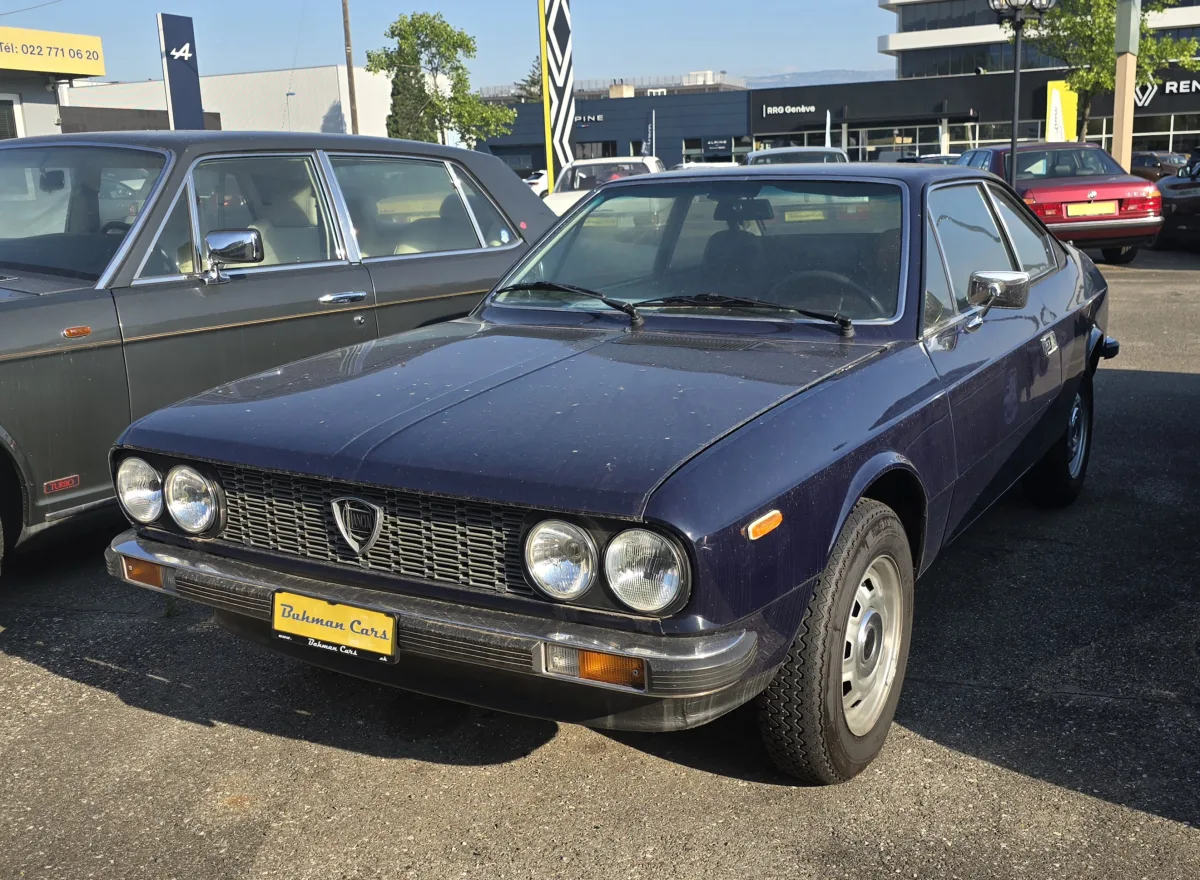
Lancia Beta: bodies, engines and what to know when buying a classic
The Lancia Beta — a range of models introduced in Italy in 1972, which was offered until 1984 with several body styles. We look at how the sedan, coupe, HPE and other variants differ, which engines were used and what to check before buying.






Beta in brief
The Beta was the first Lancia developed during the Fiat era, yet it retained its unique character. The car features front-wheel drive and a four-cylinder engine with two timing belts, mounted transversely.
The Beta range included several models: the sedan, coupe, HPE (hatchback with coupe lines), Spider (with a removable roof) and the later Trevi. These cars differed in body style but were technically very similar.
Which variant to choose
The sedan is the most practical but the least common survivor. The coupe and HPE are the most popular among classic enthusiasts: the former is stylish and compact, the latter offers more boot space.
The Spider stands out with its removable roof and is rarer. The Trevi is a later, updated version of the sedan. The Beta Montecarlo is another, with a mid-mounted engine, and is often considered a separate model.
Engines and gearboxes
The Beta was offered with petrol engines, roughly from 1.3 to 2.0 litres. Later versions also featured a 2.0-litre engine with a supercharger (Volumex).
The gearbox is a manual five-speed, with an automatic option available in some versions.
What to check when buying a used Beta
The main thing to look out for is rust. The Beta is notorious for it: check the sills, floors, wheel arches, front subframe, and body seams. Restoring one in good condition can be expensive.
Check the engine: look for oil leaks, ensure the distributor works properly, and see if the timing belt has been changed. The gearbox and clutch should operate smoothly.
Parts for the mechanics are available, as the engine is common, but body and interior parts are rare. Use a club or specialist who loves classic Lancias.


Trim levels
Names and equipment vary by market and year; we list the versions and trims most commonly found in Europe.
Beta sedanas
1972–1981A four-door family car.
- Front-wheel drive
- Four-cylinder engine
- Practical interior
Beta Coupé
1973–1984A two-door sporty variant.
- Two-door coupe body
- Often comes with a more powerful engine
- Popular among collectors
Beta HPE
1975–1984Hatchback with coupe lines.
- Larger boot
- Practical and stylish
- Often — extra equipment
Beta Spider
1974–1982Variant with removable roof.
- Removable roof
- Two-seater
- Rarer classic car
Comparison of variants
| Sedanas | Coupé | HPE | Spider | |
|---|---|---|---|---|
| Who it suits | Practically classics | For style | For the practical coupe | Open for driving |
| Engine | Around 1.3–2.0 l | Around 1.3–2.0 l | Around 1.6–2.0 l | Around 1.6–2.0 l |
| Price in the used market (relatively) | Budget-friendly | Mid-range | Mid-range | Mid-range |
For most buyers, the best choice is a well-maintained Coupé or HPE. The key is the body condition, as corrosion repair is expensive.
Pros
- Distinctive Lancia character
- Well-balanced weight, comfortable ride
- Different body styles for every taste
- Collector's item
Cons
- Known for rust
- Body and interior parts are rare
- Outdated electrical equipment
Frequently asked questions
Is the Beta the Lancia Montecarlo?
No. The Montecarlo has a mid-engine layout and is a separate model, although it is considered part of the Beta family.
What gearboxes do Betas have?
All Beta models have front-wheel drive (except the Montecarlo).
What is the main Beta problem?
Rust — Betas are notorious for corrosion, so it's crucial to thoroughly inspect the bodywork.
Updated 2026-10-19 · Trim levels and equipment vary by market and model year — check the equipment of the specific car. · Translated automatically


