 English
 Lietuvių
 Latviešu
 Eesti
 Polski
 Русский
 Українська
 Deutsch
 Nederlands
 Čeština
 Slovenčina
 Svenska
 Norsk
 Dansk
 Suomi


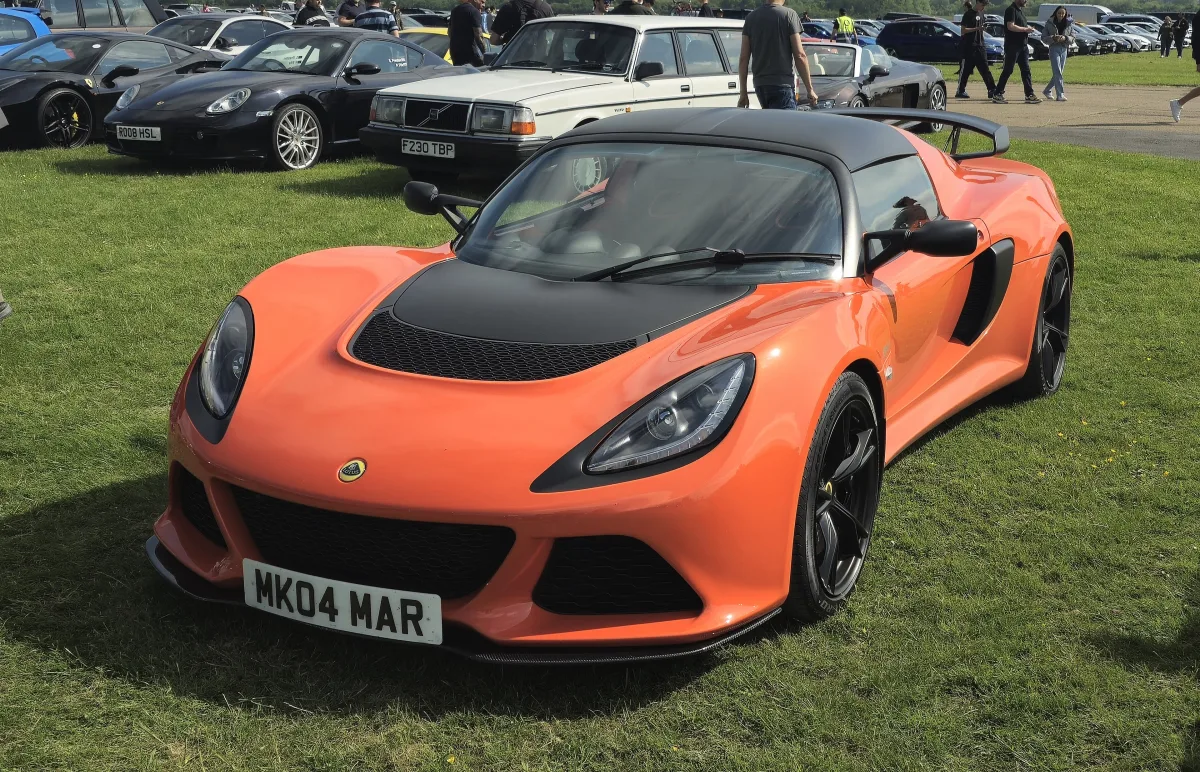
Lotus Exige: generations, engines and what to know when buying used
The Lotus Exige is a lightweight two-seater sports car with a mid-mounted engine, produced since 2000. We look at how earlier and later Exige versions differ, which engines are fitted, and what to check before buying.






Exige in brief
The Exige is a compact coupe built on the Elise platform. The car is very light, has a mid-engine layout and rear-wheel drive, so its main appeal is pure driving fun, not comfort.
This isn't a daily driver: getting in and out is tricky, the cabin is cramped, the boot is small, and noise levels are high. But for buyers seeking pure driving thrills, the Exige is one of the best choices.
Which generation to choose
The first generation (around 2000–2001) was a pure track-day coupe with a Rover K-series engine and is very rare. The second generation (from 2004) used a Toyota engine and eventually became the most popular in the used market.
The third generation (from 2012) has a larger Toyota-derived 3.5-litre V6 engine with a supercharger. It's more powerful, faster, and slightly more comfortable, but also more expensive. For most buyers looking for a cheaper thrill, a second-generation car is the way to go.
Engines and gearboxes
The second-generation Exige used a 1.8-litre Toyota engine, with later versions featuring a supercharger (Exige S). The third-generation Exige S has a 3.5-litre V6 engine with a supercharger, producing around 350 bhp, and even more in sportier versions.
The gearbox is usually a manual with six speeds. Some V6 versions also had an automatic gearbox.
What to check when buying a used Exige
The most important thing is the service history and whether the car hasn't been used on the track without proper maintenance. Ask for all the bills and check if oil and filter changes were done on time.
Inspect the aluminium chassis and the underside of the body for dents or signs of repair, as safety depends on the lightweight construction. Check the tyre wear pattern—uneven wear can indicate alignment issues.
Test the clutch, gearbox, and brakes to ensure there are no oil or coolant leaks. Also, check the roof and seals—they might let in water.


Trim levels
Names and equipment vary by market and year; we list the versions and trims most commonly found in Europe.
Exige (pirmoji karta)
2000–2001A very rare track version with a Rover K-series engine.
- Rover K-series engine
- A very light body
- Rarely found in the used market
Exige S (antroji karta)
2004–2011The most commonly found earlier version with a Toyota 1.8-litre engine.
- Toyota 1.8-litre engine
- Often — with a supercharger in later versions
- Six-speed manual gearbox
Exige S (V6)
2012–2021Third generation with a 3.5-litre V6 engine and supercharger.
- 3.5-litre V6 with supercharger
- Manual or automatic transmission
- Often — additional aerodynamic details
Exige Sport 350 / Sport 380
2016–2021Sportier V6 versions.
- Increased power
- Sportier suspension setup
- Aerodynamic details and lighter components
Generation comparison
| Antroji karta | Exige S V6 | Sport 350 / 380 | |
|---|---|---|---|
| Who it suits | For a more affordable driving experience | Quick sporty coupe | Tracks and sporty driving |
| Engine | Toyota 1.8 l | 3.5-litre V6 with supercharger | 3.5-litre V6 with supercharger |
| Gearbox | Manual | Manual or automatic | Mostly manual |
| Price in the used market (relatively) | €€ | €€€ | €€€ |
If you're after a more affordable entry into the Lotus world, opt for the second-gen Exige. The V6 versions are faster and more comfortable, but significantly pricier.
Pros
- Very light and precise to drive
- Excellent dynamics and steering feel
- Reliable Toyota-derived engines
- Distinctive styling
Cons
- Uncomfortable for daily use
- Small boot and awkward access to the cabin
- Expensive maintenance and parts
Frequently asked questions
Is the Exige suitable for daily driving?
Rarely. The cabin is cramped, access is awkward, noise levels are high, and the ride is firm. It is usually considered a weekend or track car.
How does the Exige differ from the Elise?
The Exige has a stiffer coupe body with a roof and a more sporty setup. The technical foundation is similar, but the Exige is designed for faster, sharper driving.
Does the Exige have an automatic transmission?
Some V6 versions did, but most Exiges have a manual six-speed gearbox.
Updated 2026-10-19 · Trim levels and equipment vary by market and model year — check the equipment of the specific car. · Translated automatically


