 English
 Lietuvių
 Latviešu
 Eesti
 Polski
 Русский
 Українська
 Deutsch
 Nederlands
 Čeština
 Slovenčina
 Svenska
 Norsk
 Dansk
 Suomi


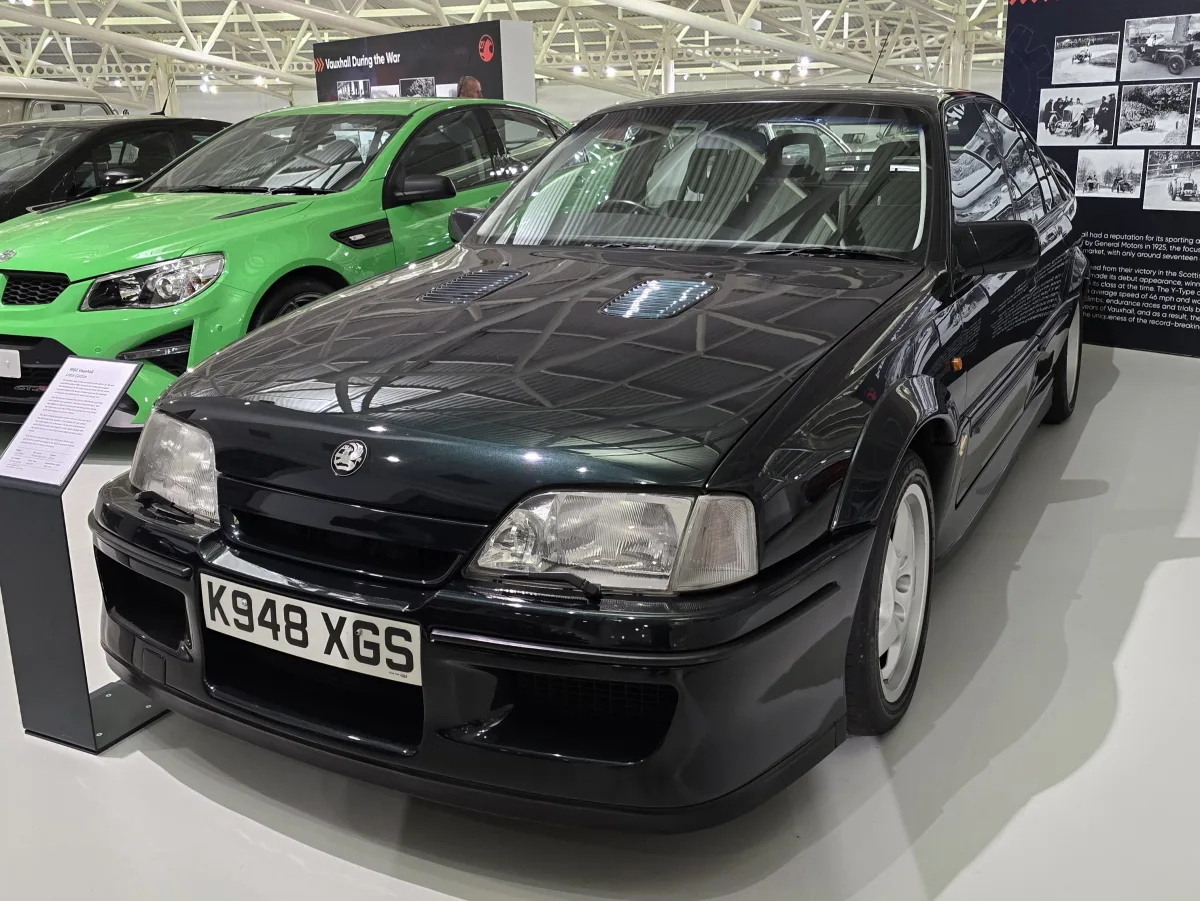
Lotus Carlton (Opel Lotus Omega): the fastest saloon of its time
Lotus Carlton — an Opel Omega-based sports saloon, tweaked by Lotus between 1990–1992. In continental Europe, it was known as the Opel Lotus Omega, while in the UK, it went by Vauxhall Lotus Carlton. Here, we look at the model's unique features and what collectors need to know.






Lotus Carlton in brief
The car was created to show that a family saloon could be fast. Lotus worked on the engine, gearbox, suspension, and body, resulting in one of the quickest saloons in the world at the time.
Produced in very limited numbers — around 950 units — it's now a collectible car, with its value and demand largely tied to its historical significance.
Versions
The Lotus Carlton was produced in one version. The only differences were the name and steering position: in the UK, it was sold as the Vauxhall Lotus Carlton with right-hand drive, while in continental Europe, it was the Opel Lotus Omega.
Due to the limited production run, the history and authenticity of each car are crucial.
Engine and gearbox
The car is powered by a 3.6-litre straight-six engine with twin turbochargers, producing around 377hp. This was exceptional power for a saloon in the early 1990s.
The gearbox is a six-speed manual, and the car is rear-wheel drive. It could reach around 280km/h, which was a record for a saloon at the time.
What to check when buying a Lotus Carlton
For such a collectible car, the most important thing is a documented history. Check if the car is authentic, has the original engine and gearbox, and if there are service records.
Inspect the body for signs of corrosion and repair. Check if the engine doesn't leak oil, if the turbochargers are working properly, and if the clutch hasn't worn out.
Finding specific Lotus parts can be challenging, so it's worth talking to club members or specialists for this model.


Trims
Names and equipment vary by market and year; we list the versions most commonly found in Europe.
Vauxhall Lotus Carlton
1990–1992The British market version with right-hand drive.
- 3.6-litre twin-turbo six-cylinder engine, around 377 hp
- Six-speed manual gearbox
- Right-hand drive
Opel Lotus Omega
1990–1992The continental European version.
- The same tech as the Carlton
- Left-hand drive
- Produced in very limited numbers
Comparing versions
| Lotus Carlton | Lotus Omega | |
|---|---|---|
| Market | Great Britain | Continental Europe |
| Steering | Right-hand drive | Left-hand drive |
| Price in the used market (relatively) | High-end | High-end |
The technology in both versions is the same, so the choice mainly depends on the side of the steering wheel and the specific history of the car.
Pros
- A unique, historic sports sedan
- A very powerful engine for its time
- A rare collectible car
- A practical four-door body
Cons
- Very expensive and rare
- Search for specific parts
- Expensive and complicated maintenance
Frequently asked questions
How does the Lotus Carlton differ from the Opel Omega?
Lotus overhauled the engine, gearbox, suspension and body, making it a much more powerful and sporty car.
How many Lotus Carltons were made?
Around 950 units — making it a very rare car.
What engine does the Lotus Carlton have?
A 3.6-litre six-cylinder engine with twin turbochargers, producing around 377 hp.
Updated 2026-10-19 · Trim levels and equipment vary by market and model year — check the equipment of the specific car. · Translated automatically


