 English
 Lietuvių
 Latviešu
 Eesti
 Polski
 Русский
 Українська
 Deutsch
 Nederlands
 Čeština
 Slovenčina
 Svenska
 Norsk
 Dansk
 Suomi


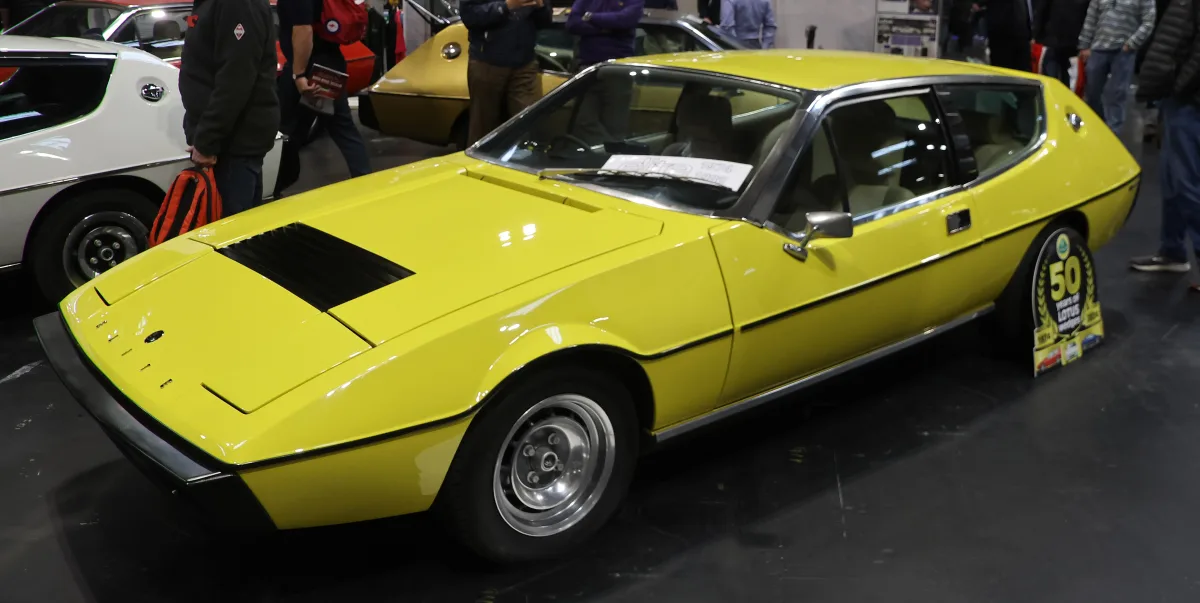
Lotus Elite: from the lightweight 1950s Type 14 to the 1970s Elite
Lotus Elite was the name given to two distinct cars: the lightweight Type 14 coupé produced from 1957–1963 and the four-seat sports coupé from 1974–1982. This article covers both, their technology, and what buyers need to know.






Elite at a glance
The first Elite (Type 14) was a particularly lightweight coupé with a self-supporting fibreglass body and a small Coventry Climax engine. It was renowned for its handling and racing achievements.
The second Elite (1970s) was a more luxurious and practical four-seater with a sharp, angular design and a larger 2.0-litre engine. It was a completely different car, despite sharing the same name.
Which version to choose
Type 14 is a particularly rare and collector's classic. It's ideal for those seeking pure driving enjoyment and willing to accept the daily limitations of a classic car.
The 1970s Elite is more practical: four seats, more comfort, and a more powerful engine. It's usually cheaper and easier to find, but still requires specialist maintenance.
Engines and gearboxes
Type 14 had a small 1.2-litre four-cylinder Coventry Climax engine. Power was modest, but the car was very light, making it lively to drive.
The 1970s Elite had a 2.0-litre four-cylinder Lotus engine with 16 valves. The gearbox was manual or automatic, with rear-wheel drive.
What to check when buying a used Elite
Both generations have glass-fibre bodies, so check for cracks, delamination, or poorly executed repairs. Rust on the steel frame or chassis is also crucial to inspect.
Have a specialist check the engine, gearbox, suspension, and brakes — these parts require rare components and expertise. Ask for documentation on any restoration work and the car's history.
Buy only through reputable sources and determine which Elite model truly suits your needs.


Trim levels
Names and equipment vary by market and year; we list the versions most commonly found in Europe.
Type 14
1957–1963Lightweight coupé with a glass-fibre body.
- 1.2-litre Coventry Climax engine
- Self-supporting glass-fibre body
- Two-seater interior
Elite (Type 75)
1974–1982Four-seat sports coupé.
- 2.0-litre Lotus engine
- Four seats
- Manual or automatic gearbox
A two-generation comparison
| Type 14 | 1970-ųjų Elite | |
|---|---|---|
| Who it's for | For collectors and racing enthusiasts | For the practical classic sports car buyer |
| Engine | 1.2-litre four-cylinder | 2.0-litre four-cylinder |
| Number of seats | 2 | 4 |
| Price in the used market (relatively) | €€€ | €€ |
Choose according to your needs: Type 14 — a rare collector's car, 1970s Elite — a more practical classic sports coupe.
Pros
- Very light body and great handling
- A unique Lotus history
- A rare and unassuming choice
- Collector's value
Cons
- Searching for specialists and parts
- Glass-fibre body repairs can be expensive
- Risk of corrosion and restoration
Frequently asked questions
Is there one or two Elite generations?
The name was used for two different cars: Type 14 (1957–1963) and the later four-seater coupé (1974–1982).
What is the Elite body made of?
It's made of glass-fibre, so it's not susceptible to typical corrosion, but regular checks for cracks and delamination are crucial.
Is the Elite suitable for daily driving?
It's an old classic, so it's usually driven on special occasions.
Updated 2026-10-21 · Trim levels and equipment vary by market and model year — check the equipment of the specific car. · Translated automatically


