 English
 Lietuvių
 Latviešu
 Eesti
 Polski
 Русский
 Українська
 Deutsch
 Nederlands
 Čeština
 Slovenčina
 Svenska
 Norsk
 Dansk
 Suomi


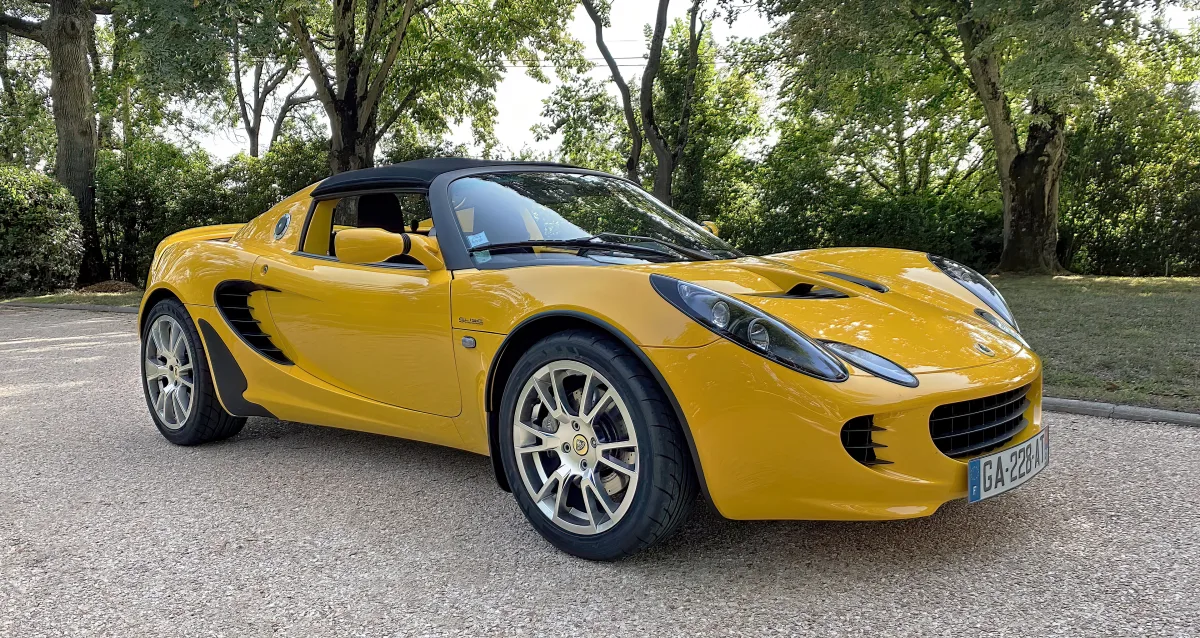
Lotus Elise: I, II and III generations, engines and trims
Lotus Elise — a lightweight two-seater sports car with a mid-engine layout, produced from 1996 to 2021. We look at three generations, engines, well-known trims and what to check before buying a used Elise.






Elise in brief
The Elise was designed with a simple idea: the less weight and the more driving pleasure. A lightweight aluminium chassis and fibreglass body allow the car to be significantly lighter than most of its sports car rivals.
As a result, the Elise is praised for its precise steering and lively driving experience, although it offers little in terms of comfort and practicality: the cabin is cramped, the boot is small, and getting in and out is no easy task.
Which generation to choose
The first generation (1996–2001) is the classic, particularly lightweight, with a Rover K-series engine. It's ideal for enthusiasts who appreciate originality and are prepared to maintain the car meticulously.
The second generation (2001–2010) offers more variants and, from 2004, received Toyota engines, which are praised for their reliability. The third generation (2010–2021) is updated, with a more modern look and contemporary engines, but retains the same lightweight philosophy.
Engines and gearboxes
The first generation used 1.8-litre Rover K-series engines, with the more powerful 111S version featuring a variable valve timing system. The second generation introduced 1.8-litre Toyota engines, including the sporty 111R, and later the supercharged SC version.
The 1.6-litre and 1.8-litre Toyota engines, some with a supercharger, are offered for the third time. The gearbox is always manual, with power sent to the rear wheels. A lightweight body means even the less powerful versions are lively.
What to check when buying a used Elise
The Elise is often track-used, so check it hasn't been heavily crashed or repaired after an accident. Pay particular attention to the aluminium chassis and body plastic parts, and if in doubt, consult a Lotus specialist.
In first-generation cars with the Rover K-series engine, check the cooling system and cylinder head gasket — these are known issues. Toyota engine versions are generally considered more reliable.
Check the roof seal (soft tops often leak), sunroof, tyre condition and electrical equipment. Ask for a full service history.


Trim levels
Names and equipment vary by market and year; we list the most common trims found in Europe.
Elise
First to third generationsThe base version is simple and light.
- Smaller engine
- Basic interior trim
- The lightest option
111S
First to second generationsA more powerful version with a stronger engine.
- Often comes with a more powerful engine
- Often — sportier interior
- Often — wider tyres
111R
Second generationSportier version of the Toyota engine.
- Often — high-revving engine
- Often — sporty suspension
- Often — sport seats
SC
Second to third generationSupercharged version.
- Often — turbocharged engine
- More power
- Often — additional comfort features
Sport 220
Third generationSporty third-generation version with a supercharger.
- Often — turbocharged 1.8-litre engine
- Sport suspension
- Sport seats
Version comparison
| Elise | 111S | 111R | SC | |
|---|---|---|---|---|
| Who it's for | For everyday comfort | For active driving | For track days and enthusiasts | For faster driving |
| Engine | Less powerful | More powerful | High-revving | With a turbocharger |
| Interior | Basic | Basic | Sporty | Sporty or more comfortable |
| Price in the used market (relatively) | €€ | €€ | €€€ | €€€ |
Most buyers will find the base Elise or 111S with a clean history to be the best bet. The 111R and SC are worth considering if you're after a faster car and have a bigger budget.
Pros
- Precise steering and very lively driving
- Very lightweight construction
- Reliable Toyota engines in later versions
- Distinctive looks and character
Cons
- Narrow, tricky to get into, small boot
- Impractical for daily use
- Maintenance and parts are pricier than for regular cars
Frequently asked questions
Is the Elise suitable for daily driving?
Not really. It's narrow, low, has little boot space and is noisier, so it's often bought as a second car.
Which Elise generation is best?
That depends on your needs: the first generation is classic and the easiest to maintain, while the second and third generations with Toyota engines are considered more reliable.
Is the Elise expensive to maintain?
Yes, more so than a typical car: parts and specialists cost more, and a used Elise is often track-used as well.
Updated 2026-10-19 · Trim levels and equipment vary by market and model year — check the equipment of the specific car. · Translated automatically


