 English
 Lietuvių
 Latviešu
 Eesti
 Polski
 Русский
 Українська
 Deutsch
 Nederlands
 Čeština
 Slovenčina
 Svenska
 Norsk
 Dansk
 Suomi


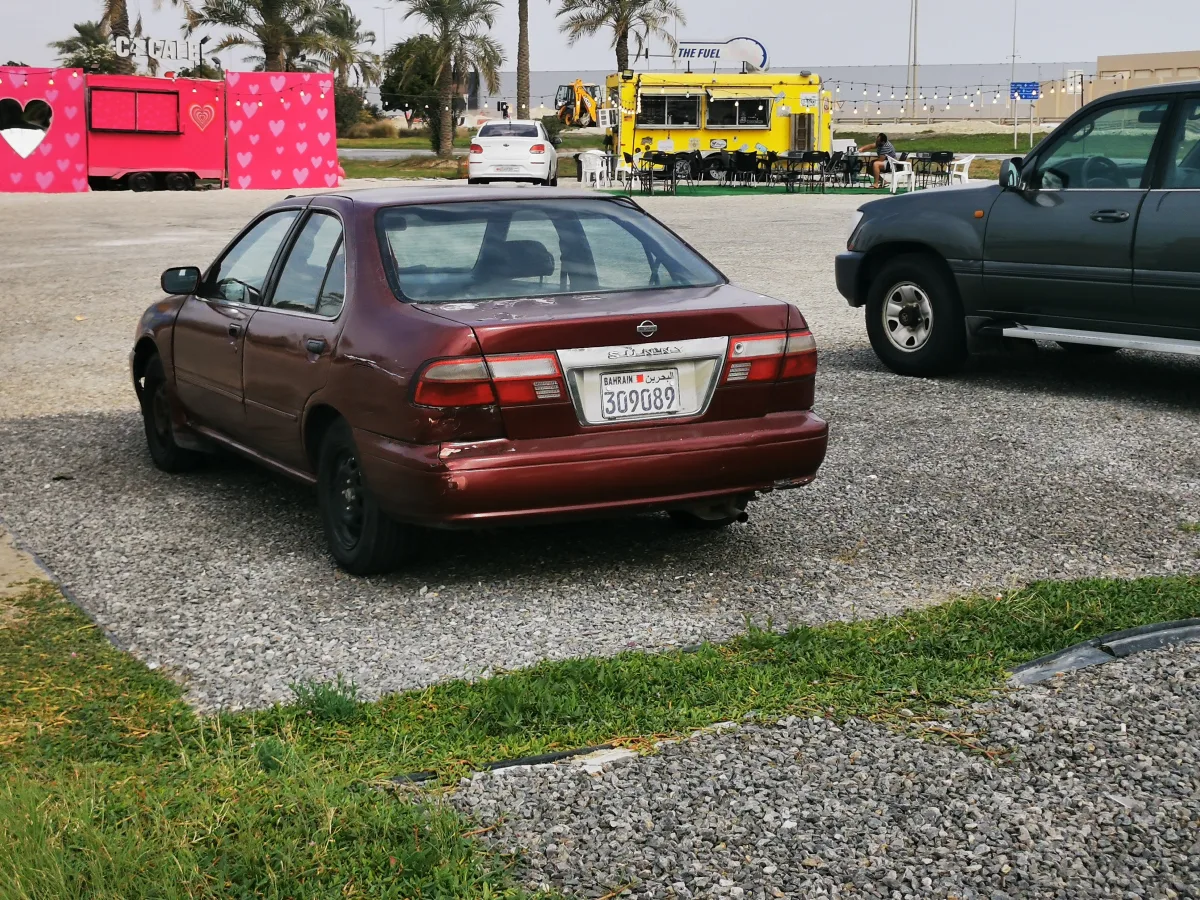
Nissan Sunny: N13 and N14 generations, engines, and trims
The Nissan Sunny is a compact car from Nissan, produced from 1966 to 2004. In Europe, the 1986–1995 N13 and N14 generations were the most popular. We'll look at their engines, trims, and what to check when buying a used Sunny.






Sunny in brief
The Sunny is one of Nissan's longest-running models, sold in many markets worldwide. In Europe, it competed with the Toyota Corolla and Ford Escort, offering a simple, reliable, and affordable car.
Body styles included a sedan, hatchback, and estate. In Europe, the Sunny was replaced by the Almera in 1995, but the Sunny name continued in other markets.
Which generation to choose
The N13 (1986–1990) is the simpler, older model, usually with 1.3 and 1.6-litre petrol engines. It's a cheap and basic car, but it does show its age.
The N14 (1990–1995) is more modern, with better equipment and a wider range of engines. These cars are often chosen for daily use if they're in good condition.
Engines and gearboxes
The most common engines are 1.3, 1.4, and 1.6-litre petrol units, plus a diesel option. The sportiest N14 version is the 2.0-litre GTi with around 140hp.
Gearboxes are either a 5-speed manual or automatic. The manual is straightforward and robust, while the automatic needs timely oil changes.
What to check when buying a used Sunny
First, inspect the body for rust: check the sills, wheel arches, rear sections, and floor. This is a common issue for Japanese cars of this era.
Check the engine condition, cooling system, timing belt change history, and gearbox. Also, inspect the suspension mounts and brakes.
Before buying, check the documents and the car's history. The parts supply is usually good, as many of them fit multiple generations.


Trim levels
Names and equipment vary by market and year; we list the most commonly found trims in Europe.
LX
N13–N14The base, no-frills trim.
- Often — steel wheels
- Basic interior trim
- Often — a smaller engine
SLX
N13–N14The popular mid-range trim with more comfort features.
- Often — electric windows
- Often — central locking
- Often — air conditioning
GTi
N14Sporty version with 2.0-litre engine.
- 2.0-litre engine, around 140 hp
- Often — sporty suspension
- Often — sporty seats
Trim comparison
| LX | SLX | GTi | |
|---|---|---|---|
| Who it's for | For everyday use | For daily comfort | For dynamic driving |
| Used car listings (most often) | Alloy wheels | Alloy or light alloy | Light alloy |
| Engine | 1.3–1.6-litre | 1.4–1.6 L | 2.0 L |
| Price in the used market (relatively) | Budget-friendly | Budget-friendly | Mid-range |
Most buyers will opt for the SLX with its 1.4–1.6 L engine. The GTi is for enthusiasts who prioritise quicker driving.
Pros
- Simple, reliable construction
- Affordable maintenance
- Good parts availability
- Practical body styles
Cons
- An older car — rust is a common issue
- Modest safety levels by today's standards
- Quickly depreciates
Frequently asked questions
Is the Sunny reliable?
Its construction is simple, and reliability depends on maintenance. It's crucial to check the bodywork and replace the timing belt and oil regularly.
How does the Sunny differ from the Almera?
The Almera replaced the Sunny in Europe in 1995: it's newer, more modern and offers a wider range of engines.
Is the Sunny suitable for a beginner driver?
Yes, because the car is simple and affordable, although its safety features are more basic than those of newer models.
Updated 2026-10-19 · Trim levels and equipment vary by market and model year — check the equipment of the specific car. · Translated automatically


