 English
 Lietuvių
 Latviešu
 Eesti
 Polski
 Русский
 Українська
 Deutsch
 Nederlands
 Čeština
 Slovenčina
 Svenska
 Norsk
 Dansk
 Suomi


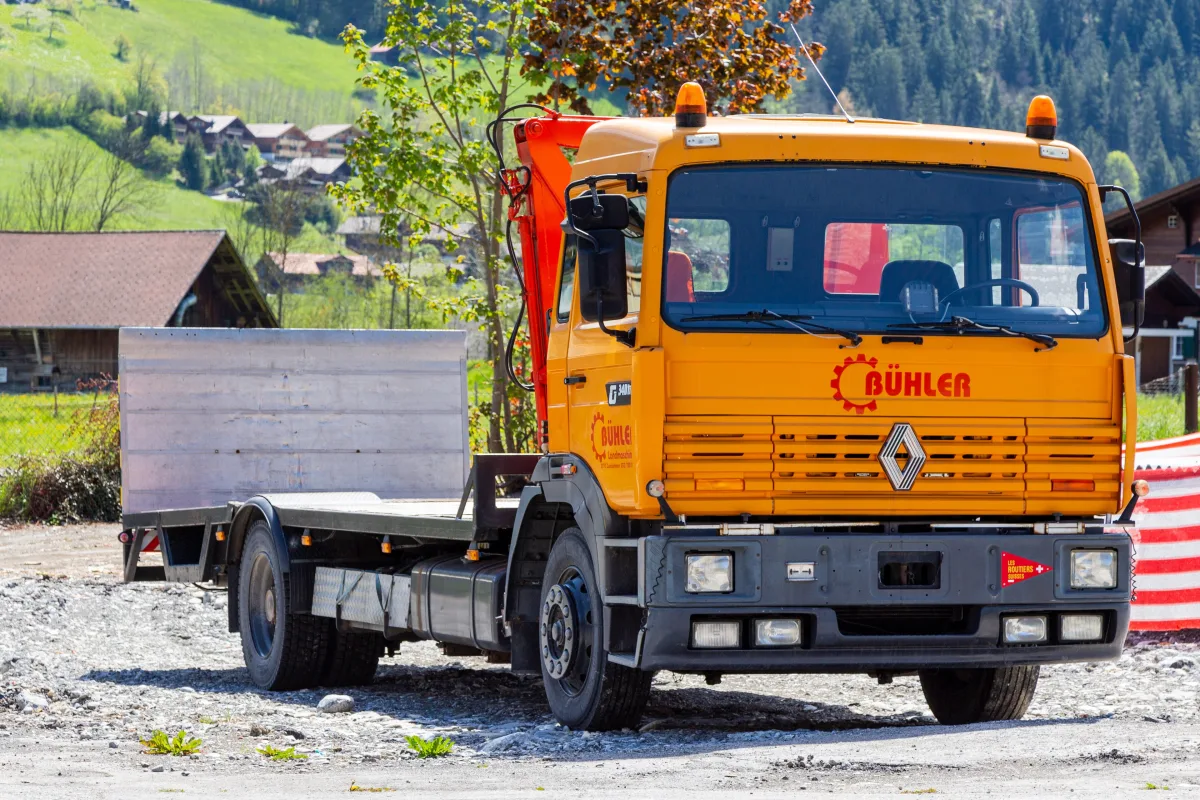
Renault G: a French truck, engines and what to check when buying
Renault G — a range of heavy and medium-duty trucks produced from 1980 to 1996, commonly found in Europe as a tractor unit, rigid truck, or flatbed truck. We look at its purpose, engines, trims, and main buying risks.






Renault G in brief
Renault G — a line of heavy-duty trucks from the French manufacturer, used for both regional and long-haul transport. It offered several power levels and a few cab options, making it suitable for various purposes: from freight transport to construction and municipal work.
The main advantages of this range are a fairly simple design, easy maintenance, and a wide variety of models. Due to these features, many of these trucks are still in operation today.
Trims and purposes — what's the difference
The numbers in the name usually indicate the engine power (e.g., G 290 or G 340), while the suffix denotes the cab or body variant. Trims were offered as tractor units, rigid trucks, and flatbed trucks.
Common wheel configurations include 4x2 and 6x2, as well as 6x4 for heavier tasks. Some trucks featured a higher sleeper cab for long-haul journeys, while others had a simpler day cab.
Later examples of the G series coexisted with newer Renault models until the range was discontinued in 1996.
Engines and gearboxes
In G-series trucks, you'll typically find around 10-litre six-cylinder turbodiesels (one of which has a displacement of about 9.8 litres), with power ranging roughly from 200 to several hundred horsepower. The exact version is specified by the model name and engine table.
Gearboxes are manual, often with a splitter. There are no automated transmissions in this model, so driving requires skill. Later examples might comply with Euro 1 or Euro 2 standards, while earlier ones may not meet any.
What to check when buying a used Renault G
First, inspect the cab and chassis — the most common issue is corrosion: sills, floors, crossmembers, and cab mounts. Check if the cab lift mechanism works and if there's no water ingress.
The engine should start easily and run without excessive smoke. Check for oil leaks, the condition of the turbocharger, the cooling system, and the fuel delivery components. Ask how often the oil and filters were changed.
The electrical system in older Renault trucks can have faulty connections, so test the lights, instrument cluster, fan, and other users. Check the brake and air systems and compare the numbers with the documents.


Versions
Names and equipment vary by market and year; we list the most common variants found in Europe.
G vilkikas
1980–1996Typical semi-trailer version.
- Often with a high-roof cab
- Mostly 4x2 or 6x2
- Manual gearbox with splitter
G savivartis
1980–1996For construction and quarry work.
- Often 6x4 wheel configuration
- Reinforced chassis
- Cab-over design
G bortinis / platforminis
1980–1996For regional freight trucks.
- Often — a crane or manipulator
- Shorter wheelbase
- Day cab or standard cab
G specialios paskirties važiuoklė
1980–1996For tankers, municipal and other equipment.
- Additional cab equipment
- Often with low mileage
- Requires appropriate inspection
Comparison of main G versions
| Vilkikas | Savivartis | Bortinis | |
|---|---|---|---|
| Who it's for | For long-distance trips | For construction and quarry work | For regional truck |
| Wheel configuration (most common) | 4x2 or 6x2 | 6x4 | 4x2 |
| Cab | Often higher | Daily | Daily |
| Price in the used market (relatively) | € | € | € |
The G series is ideal for buyers who prioritise simple and affordable technology, but condition often matters more than the version. When buying, opt for examples with a clear service history.
Pros
- Quite basic technology
- Wide range of versions and applications
- Affordable in the used market
- Suitable for custom bodywork
Cons
- Old technology lacking modern assistance systems
- Risk of rust to the body and cabin
- Less common, so some parts might be harder to find
Frequently asked questions
What do the numbers in G model names mean?
Usually, the number indicates the engine power in horsepower, for example, G 340 — around 340 hp. Always check the exact version with the manufacturer's table and documents.
Is the Renault G suitable for daily commercial work?
It might be, if the body and engine are in good condition, but the technology is old, so you need to consider environmental restrictions and higher maintenance costs.
Are spare parts easy to find?
Engine and chassis parts are usually easier to find, but cabin details or specific electronics might be harder to come by. Before buying, check the availability of parts for the specific version.
Updated 2026-10-21 · Trim levels and equipment vary by market and model year — check the equipment of the specific car. · Translated automatically


