 English
 Lietuvių
 Latviešu
 Eesti
 Polski
 Русский
 Українська
 Deutsch
 Nederlands
 Čeština
 Slovenčina
 Svenska
 Norsk
 Dansk
 Suomi


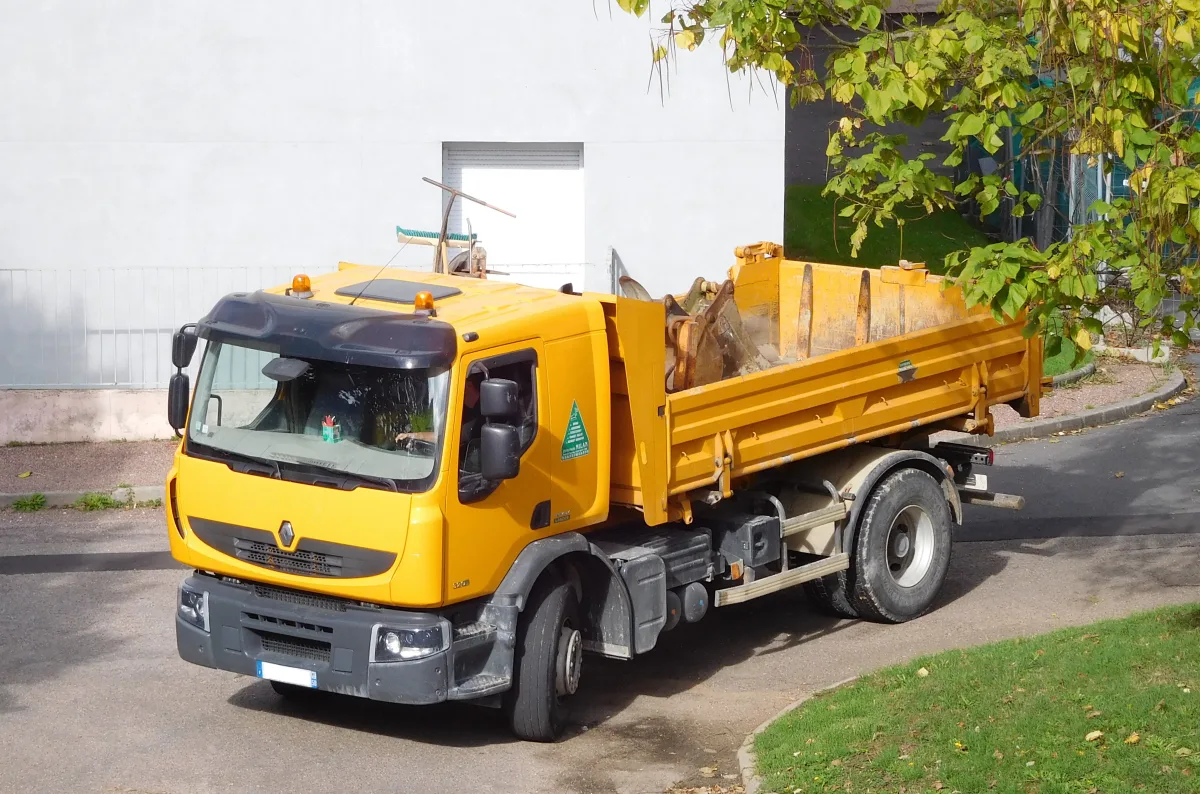
Renault Premium: truck, generations and what to check
Renault Premium — medium and heavy-duty truck, produced 1996–2013. We look at the generations, engines and what to check when buying a used Premium.






Premium in brief
Renault Premium — a range of trucks produced 1996–2013. It was the flagship Renault Trucks series for regional and long-haul transport, construction, and replaced the previous G-series. Later, the Premium was succeeded by the T, C, and D series.
Premium is widely available in the used market and often encountered as a tractor unit, rigid, refrigerated truck, waste collection, or other specialist truck.
Generations and variants
The first Premium generation (1996–2005) had a simpler cabin and Euro 2, later Euro 3 engines. The second generation (Premium 2, from 2005) received a new cabin, more modern interior, and Euro 4 and Euro 5 engines with AdBlue (SCR) system.
Various variants were offered: Premium Route (for long-haul journeys), Premium Distribution (for distribution) and Premium Lander (for construction, with reinforced chassis). Therefore, the choice depends on the purpose.
Engines and gearboxes
Premium engines — Renault diesels: dCi 11 (around 10.8-litre) and later DXi 7 (around 6.7-litre) and DXi 11 (around 10.8-litre). Power ranges roughly from 240 to 460 hp, with the number in the name (e.g., 320, 380, 450) indicating approximate power.
Transmissions are either manual or automated Optidriver. Automated boxes are great for long hauls, but when buying a used truck, it's crucial to check if it shifts smoothly.
What to check when buying a used Premium
Since the Premium is quite old, inspect the mileage carefully—it can be high and not always verified by documents. Check the engine (it should start without long cranking and not smoke), clutch, transmission, suspension, and brakes.
Signs of cabin and frame corrosion are common issues with older trucks: check the sills, floor, cabin mounts, and frame. In tipper trucks and box trucks, check the hydraulics and box condition.
In Euro 4 and Euro 5 engines, check the AdBlue system and error memory. Verify the Euro class and whether it can travel in environmental zones, and in the documents— the permitted weight.


Trim levels and versions
Trim levels and versions vary by market and year; below are the most commonly found versions.
Premium Route
All versionsDay cab for long-distance trips.
- High-roof cab
- Often includes a sleeper berth
- Suitable for long-haul transportation
Premium Distribution
All versionsTruck for distribution and regional work.
- Low-roof cab
- Often a van or refrigerated unit
- Ideal for city and regional transportation
Premium Lander
All versionsToughened version for construction work
- Robust chassis
- Often comes with a tipper or crane
- Suitable for construction and off-road use
Premium 2
From 2005 onwardsSecond generation with a new cab
- New cab and interior
- Euro 4 and Euro 5 engines
- Often comes with AdBlue system
Premium atliekų surinkimo
All versionsWith a tipper body for municipal services
- Often comes with an automatic gearbox
- Special body
- High mileage
Comparison of versions
| Premium Route | Premium Distribution | Premium Lander | |
|---|---|---|---|
| Who it suits | For long-distance driving | For distribution | For construction |
| Cab | Higher | Lower | Reinforced |
| What to check in particular | The engine and gearbox | The body and chassis | The frame and hydraulics |
| Usage intensity | High | High | Very high |
| Price in the used market (relatively) | € | € | € |
For most buyers, a well-maintained Premium 2 with an Euro 4 or Euro 5 engine is a good choice. Before purchasing, thoroughly check the mileage, signs of corrosion, and the condition of the body.
Pros
- Wide availability in the used market
- Parts availability and service
- Wide range of versions and body styles
- Affordable price
Cons
- Many vehicles have high mileage
- Repairing Euro 4/5 systems can be expensive
- Corrosion can be an issue in older versions
Frequently asked questions
How does the Premium differ from the Magnum?
The Magnum is a larger, more luxurious long-haul truck, while the Premium is a more versatile model for regional and long-distance hauling.
What changes did the Premium undergo?
The Premium was replaced by the new generation Renault Trucks T, C, and D series.
How do Premium Route, Distribution, and Lander differ?
The Route is tailored for long-distance journeys, the Distribution is designed for cargo hauling, and the Lander is built for construction tasks with a reinforced chassis.
Updated 2026-10-21 · Trim levels and equipment vary by market and model year — check the equipment of the specific car. · Translated automatically


