 English
 Lietuvių
 Latviešu
 Eesti
 Polski
 Русский
 Українська
 Deutsch
 Nederlands
 Čeština
 Slovenčina
 Svenska
 Norsk
 Dansk
 Suomi


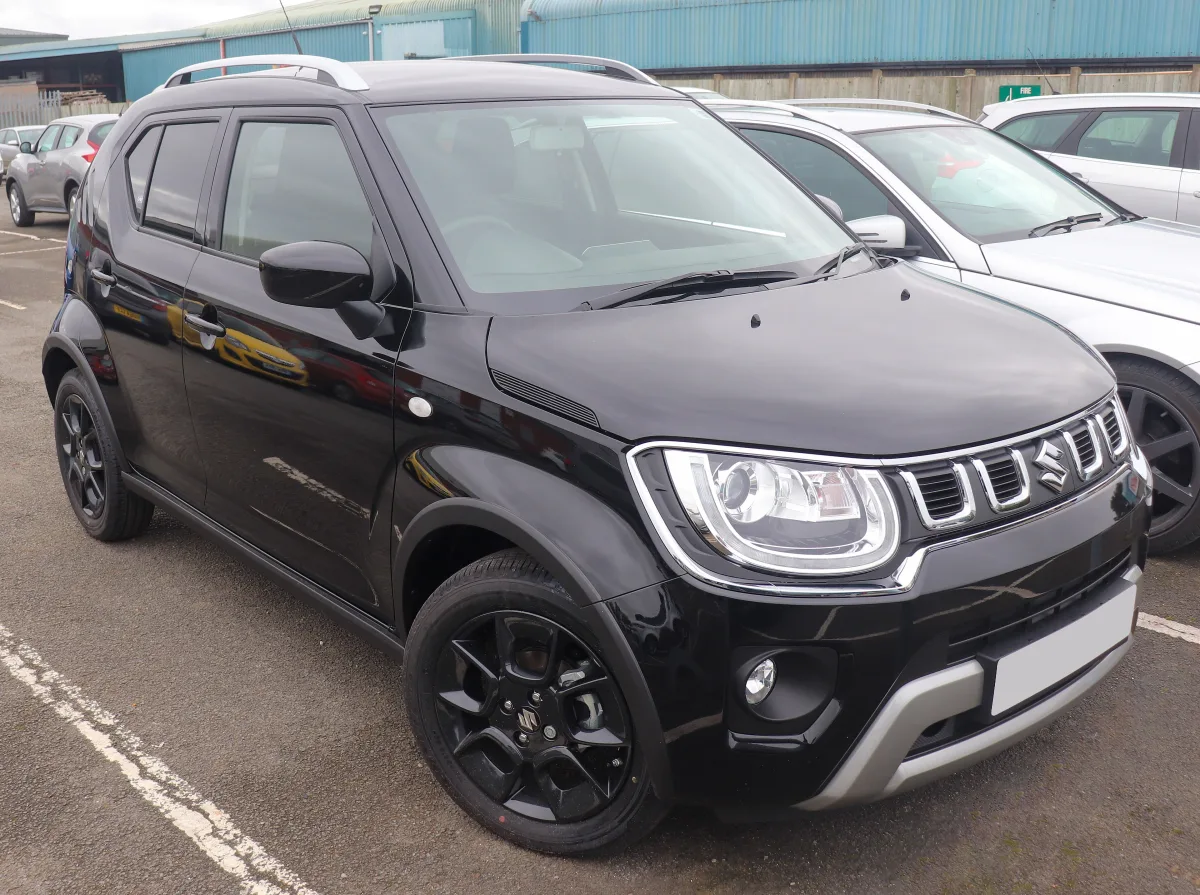
Suzuki Ignis: generations, engines and trims
The Suzuki Ignis is a small, light and elevated city car, available with four-wheel drive. We look at how the older and latest third-generation models differ, which engines are on offer, how the trims vary and what to check when buying used.






Ignis in brief
The first Ignis to hit Europe arrived in 2000, with a slightly larger second generation replacing it in 2003, produced until around 2008. Both were offered with four-wheel drive, making them a popular choice as a cheap and reliable car for the countryside or farm.
The third generation, launched in 2016, is a completely different beast — a small city crossover with a distinctive look. It weighs less than a tonne, so even with a small engine, it's nippy and frugal.
Today, the used market is mostly looking for the third-generation Ignis, with older models mainly bought as a cheap runabout.
Which one to choose
The first and second-generation Ignis (2000–2008) are basic, compact hatchbacks. Most are now very old, so the main concerns are corrosion and overall condition.
The third generation (from 2016) is more modern, safer and practical. Cars updated in 2020 received a new front design, an improved mild-hybrid engine and a CVT gearbox instead of the previous automated manual transmission.
For many buyers, the best choice is a 2020 or newer Ignis with a mild hybrid. Earlier third-generation models are also good if well-maintained and with a clear service history.
Engines and transmissions
First and second-generation Ignis models are most commonly found with 1.3 and 1.5-litre petrol engines, while the second generation also offered a Fiat-sourced 1.3 DDiS diesel.
The third generation features a 1.2-litre Dualjet petrol engine (around 90hp), which was available with an SHVS mild hybrid. Post-2020 facelift in Europe, only the 1.2 Dualjet Hybrid version (around 83hp) remained.
Transmissions include a five-speed manual, a pre-facelift robotised AGS, and a post-facelift CVT. The ALLGRIP Auto four-wheel drive is usually paired with the manual gearbox.
What to check when buying a used Ignis
Inspect older models for rust on the sills, wheel arches, and underbody. The third-gen Ignis has a lightweight body, so check for minor dents and repainted parts.
In cars with the AGS transmission, ensure the shifts aren’t too jerky – this box is slower than a conventional auto but shouldn’t slip or judder. The CVT should accelerate smoothly, without hesitation.
In the four-wheel-drive version, check for unusual noises, and in the mild hybrid, ensure there are no warning lights on the instrument cluster. Verify the service history through maintenance and service records.


Trim levels
Names and equipment vary by market and year; for example, the UK uses SZ3, SZ-T, and SZ5, while Germany offers Club, Comfort, and Comfort+. We list the trims most commonly found in Europe.
GL
Third generationBase trim with essential equipment.
- Air conditioning
- Often — steel wheels
- Basic audio system
GL+
Third generationThe most popular choice for daily driving.
- Light-alloy wheels
- Often — touchscreen infotainment display
- Often — rear-view camera
GLX
Third generationTop-of-the-range trim with the most equipment.
- Often — LED headlights
- Often — automatic climate control and keyless entry
- Often — emergency braking system
ALLGRIP
Third generationFour-wheel-drive version, often with a manual gearbox.
- Automatic hill descent control
- Often — hill descent assist system
- Available in various trims
Comparison of third-generation trims
| GL | GL+ | GLX | |
|---|---|---|---|
| Who it's for | Ideal for city driving | For daily commuting | For those who want more kit |
| Alloy wheels (most often) | 15-inch | 16-inch | 16-inch |
| Front headlights | Halogen | Halogen | Often — LED |
| Interior | Basic trim | More comfort features | Often includes climate control, keyless entry |
| Price in the used market (relatively) | Budget-friendly | Mid-range | Premium |
For most buyers, the GL+ or GLX with the mild hybrid is the best choice. The four-wheel-drive version is worth considering if you often drive on rough roads or in winter.
Pros
- Very light weight and low fuel consumption
- Four-wheel drive available
- Compact and city-friendly
- Simple, reliable technology
Cons
- Small boot
- Noisier and firmer than larger cars
- Sluggish automatic gearbox
Frequently asked questions
Is the Suzuki Ignis suitable for long journeys?
The Ignis is best suited to the city and shorter trips. It can be used for long journeys, but you'll notice more noise on the highway and a slight lack of engine power.
Is it worth choosing the Ignis with four-wheel drive?
Yes, if you live in the countryside, often drive on rough roads, or encounter unplowed roads in winter. The ALLGRIP Auto system automatically engages the rear wheels when the front wheels start to slip, and in the city, it drives like a regular car.
How do the Ignis with AGS and CVT differ?
The AGS is a robotized manual transmission that shifts slower and can be a bit jerky. After the 2020 update, it was replaced with a CVT variator, which drives more smoothly and is more convenient for many in the city.
Updated 2026-10-09 · Trim levels and equipment vary by market and model year — check the equipment of the specific car. · Translated automatically


