 English
 Lietuvių
 Latviešu
 Eesti
 Polski
 Русский
 Українська
 Deutsch
 Nederlands
 Čeština
 Slovenčina
 Svenska
 Norsk
 Dansk
 Suomi


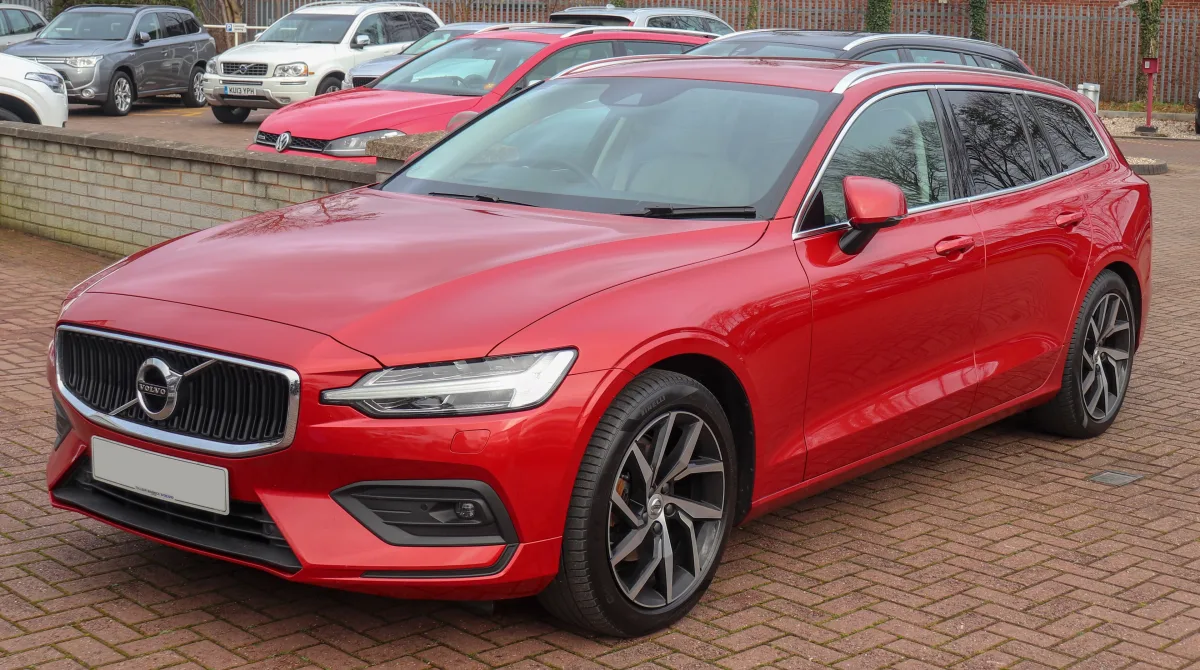
Volvo V60: First and Second Generations, Engines, and Trims
The Volvo V60 is a premium estate car for those who need a spacious, safe, and comfortable family car, but not necessarily an SUV. We look at the First (2010–2018) and Second (from 2018) generations, Cross Country versions, engines, trims, and what to check when buying used.






V60 in brief
The V60 is the estate version, created alongside the S60 sedan. The First Generation was more of a 'sporty estate' with a sloping rear end and relatively small boot, while the Second Generation became larger and more practical, with a significantly more spacious boot.
Both generations also offer a Cross Country version — with increased ground clearance, protective body cladding, and often all-wheel drive. It's perfect for those who frequently drive on rough roads but don't want an SUV.
First and Second Generation — what's the difference
The First Generation (2010–2018) was built on the same platform as the S60 and the First Generation XC60. A 2013 facelift changed the front end and headlights, and around 2014, more economical four-cylinder Drive-E engines arrived. It's a desirable premium estate, but there's less space in the rear seats and boot than some rivals.
The Second Generation (from 2018) is built on the SPA platform, like the XC90, XC60, and V90. It's more spacious, with modern vertical-screen infotainment and plenty of driver-assistance systems (e.g., Pilot Assist), and the boot capacity exceeds 500 litres.
Later second-generation models introduced mild hybrids (B3, B4, B5) and plug-in hybrids, while the newest cars feature a more advanced multimedia system based on Google.
Engines and transmissions
In the first generation, diesel engines are most commonly found: D2 (around 115–120 hp), D3 and D4 (initially five-cylinder, later four-cylinder Drive-E) and the five-cylinder D5 (around 205–215 hp). From the petrol range, there's the T3, T4, T5, and the most powerful, the T6 (six-cylinder in earlier models). There was also a diesel plug-in hybrid, but it's quite rare.
In the second generation, all engines are 2.0-litre four-cylinder units: diesel D3 and D4 (around 150–190 hp), petrol T4 and T5, later mild hybrids B3, B4 and B5. Plug-in hybrids T6 and T8 offer around 340–455 hp and all-wheel drive.
In the first generation, manual and automatic Geartronic transmissions were offered (with Drive-E engines, often eight-speed). Second-generation cars usually come with an eight-speed automatic, while the newest models have only automatic transmissions.
What to check when buying a used V60
In five-cylinder diesel engines, check the EGR valve, the particulate filter (DPF) and the timing belt change history – it's expensive but essential work. The automatic transmission should shift smoothly, without jolts; ask if the fluid has been changed.
In Cross Country and other all-wheel-drive versions, listen for any unusual noises and ask if the centre differential has been serviced. In newer diesels, make sure there are no AdBlue or DPF faults.
In the case of a plug-in hybrid, test the charging and driving purely on electric. Check if the multimedia system works smoothly and is updated, and inspect the ride based on service records and technical inspections.


Trims
Names and equipment vary by market and year; we list the trims most commonly found in Europe.
Kinetic
First generationBase trim for the first generation.
- Light-alloy wheels
- Often — automatic climate control
- Fabric upholstery
Momentum
First and second generationThe most popular choice — a good balance of price and features.
- Often — parking sensors and navigation
- Often — partial leather upholstery
- In the second generation — LED headlights and a vertical touchscreen
Summum
First generationTop-of-the-range first-generation trim with plenty of comfort features.
- Leather interior
- Often — electrically adjustable seats
- Often — xenon headlights
R-Design
First and second generationSporty-looking version.
- Sporty bumpers and unique grilles
- Larger wheels, often — sportier suspension
- Sport seats and darker interior trim
Inscription
Second generationThe most luxurious standard trim for the second generation.
- Single-tone interior and wood trim
- More chrome details
- Often — a higher-class sound system
Plus / Ultimate
Second generation, roughly from 2022New trim naming convention for the latest V60s
- Plus — generously equipped base model
- Ultimate — most features
- Often — different exterior trim levels (light or dark)
Comparing second-generation trims
| Momentum | Inscription | R-Design | |
|---|---|---|---|
| Who it's for | For the practical family buyer | Luxury and comfort | Sporty looks |
| Alloy wheels (most often) | 17–18 inch | 18–19 inch | 18–19 inch |
| Styling | Standard | More chrome details | Sport bumpers, dark details |
| Interior | Standard trim | Leather, wood trim | Sporty seats, dark trim |
| Price in the used market (relatively) | € | €€ | €€ |
For most buyers, the best choice is the second-gen Momentum or Inscription with a D4 or B4 engine. The R-Design is worth considering for its looks, while the plug-in hybrid is only worth it if you can regularly charge the car.
Pros
- Very safe and comfortable on the road
- A high-quality, quiet Scandinavian-style interior
- The second-gen has a spacious boot
- The Cross Country version is ideal for rough roads
Cons
- The first-gen boot and rear seats are quite cramped
- More expensive to maintain than mass-market estate cars
- There are fewer used options available than there are used Volvos
Frequently asked questions
Which V60 generation is best to buy used?
For most buyers, the second-gen is the best — it's roomier, safer, and more modern. The first-gen is cheaper and still comfortable, but its boot is smaller, and the five-cylinder diesels often have high mileage.
How do the V60 and V60 Cross Country differ?
The Cross Country offers increased ground clearance, protective interior trim, and often all-wheel drive. It's more comfortable on rough roads and in winter, but typically more expensive than the standard V60 in the used market.
Should you choose the V60 or XC60?
The technology and interior are similar, but the V60 is lower, usually consumes less fuel, and is more stable in corners, while the XC60 offers a higher seating position and more ground clearance. If you don't need the higher ride, the V60 is often the more sensible choice.
Is it worth buying a plug-in hybrid V60?
It is, if you can regularly charge the car and frequently drive short distances. Otherwise, it's more sensible to opt for a diesel or mild hybrid, as the running costs of a plug-in hybrid are higher without charging, and the system is expensive to repair.
Updated 2026-10-09 · Trim levels and equipment vary by market and model year — check the equipment of the specific car. · Translated automatically


