 English
 Lietuvių
 Latviešu
 Eesti
 Polski
 Русский
 Українська
 Deutsch
 Nederlands
 Čeština
 Slovenčina
 Svenska
 Norsk
 Dansk
 Suomi


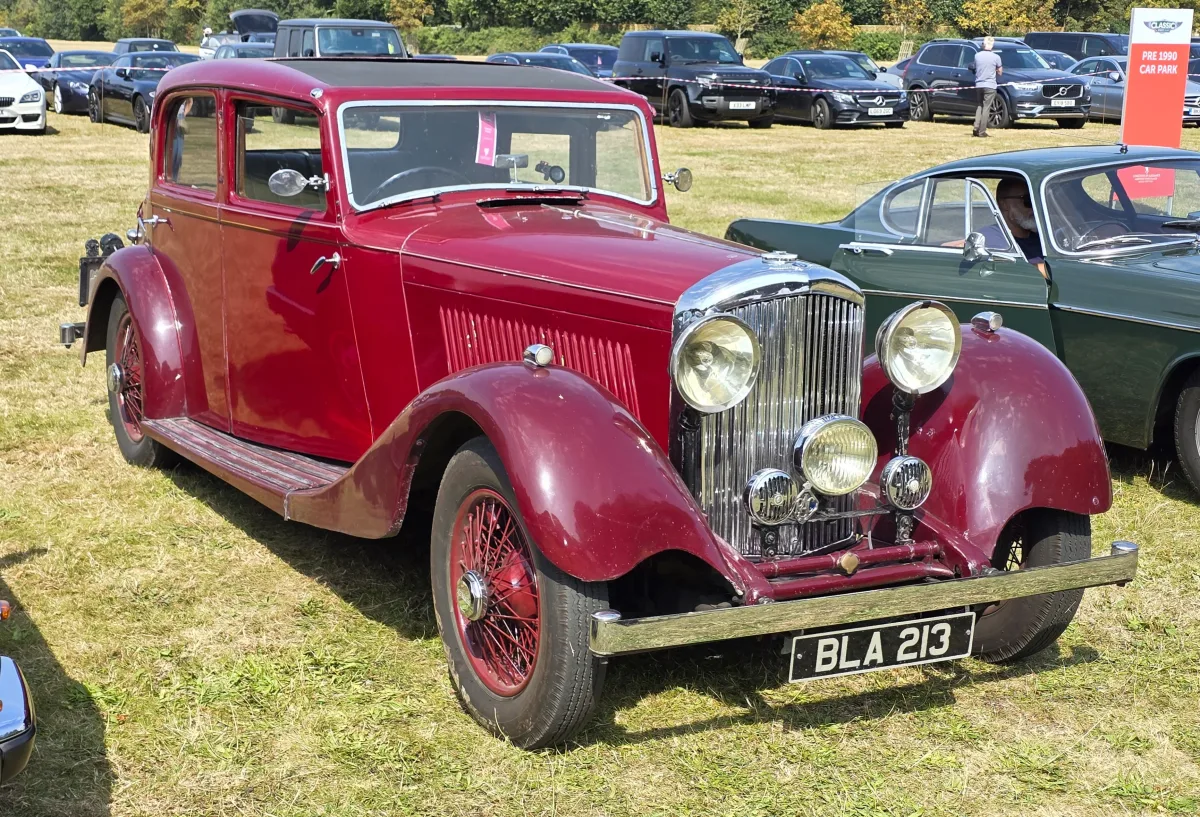
Bentley 3½ Litre: „Derby Bentley“ editions and what the collector needs to know
The Bentley 3½ Litre was the first Bentley model created during the Rolls-Royce era, produced around 1933–1937. This article explores its history, body styles, and what you need to know to buy such a classic car.






3½ Litre in brief
When Bentley Motors came under Rolls-Royce control in 1931, the 3½ Litre emerged in 1933, often dubbed the „Derby Bentley“ after the town where it was built. Advertised as a quiet sports car, it was a statement of elegance and performance.
As was typical for luxury car production at the time, the factory supplied the chassis and engine, while bodies were crafted by independent coachbuilders. This means appearances can vary greatly, adding to its collectability today.
Which edition to choose
The main difference lies in the body style. Popular choices include closed sports saloons, open tourers, cabriolets, and coupés. The names of the coachbuilders (Park Ward, Barker, Thrupp & Maberly, and others) significantly influence the car’s value and rarity.
Collectors typically favour original, well-documented cars with a clear history of their engine and body. The 4¼ Litre model appeared in 1936, so it’s crucial not to confuse these editions.
Engine and transmission
The engine is a roughly 3.7-litre inline six-cylinder (the „3½ Litre“ name indicates an approximate capacity). Output is around 110 hp, which was ample for smooth, quiet driving in its day.
Gearbox — four-speed manual. Brakes have servo assistance, which was a cutting-edge solution at the time. However, each car's condition varies, so it's essential to inspect the specific example.
What to check when buying a 3½ Litre
Authenticity is key: do the chassis and engine numbers match the documents, is the body original, and has the car not been modified? Some of these cars have been rebuilt, and a few have been restyled into a sportier look.
You must assess the engine, gearbox, brakes, and suspension, as well as the wooden body frame — this can deteriorate over time due to moisture. Before purchasing, it's worth consulting a classic Bentley specialist.


Trim levels
Names and equipment vary by market and year; we list the versions most commonly found in Europe.
Sports Saloon
1933–1937Four-door saloon body — the most commonly encountered.
- Approximately a 3.7-litre six-cylinder engine
- Often — a Park Ward or another coachbuilder's body
- Four-speed manual gearbox
Tourer
1933–1937Open, sporty body style.
- Approximately a 3.7-litre six-cylinder engine
- Often — a Vanden Plas, Barker, or another coachbuilder's body
- Four-speed manual gearbox
Drophead Coupé
1933–1937Two-door convertible, rarer and more sought after.
- Approximately a 3.7-litre six-cylinder engine
- Often — a Barker or another coachbuilder's body
- Four-speed manual gearbox
3½ Litre body comparison
| Sports Saloon | Tourer | Drophead Coupé | |
|---|---|---|---|
| Who it's for | For more comfortable collection driving | For open-top driving and events | For the discerning, elegant buyer |
| Body | Closed | Open | Removable roof |
| Price in the used market (relatively) | €€€ | €€€ | €€€ |
The 3½ Litre is a collectible car whose value is determined by its body, originality, and history. A specialist inspection is essential before purchase.
Pros
- Iconic pre-war Bentley
- Elegant, varied bodies
- Cutting-edge technology of the time
- A powerful heritage
Cons
- Extremely rare and expensive
- Many modified or customized cars
- Specialist care and parts
Frequently asked questions
When was the Bentley 3½ Litre produced?
The Bentley 3½ Litre was produced around 1933–1937, with the 4¼ Litre successor appearing in 1936.
Why is it called the “Derby Bentley”?
The name comes from Derby, the city where the car was produced after Bentley Motors came under Rolls-Royce ownership.
Is the 3½ Litre suitable for daily use?
Rarely. It’s usually a collector’s car for events, and its maintenance and parts require specialists.
Updated 2026-10-21 · Trim levels and equipment vary by market and model year — check the equipment of the specific car. · Translated automatically


