 English
 Lietuvių
 Latviešu
 Eesti
 Polski
 Русский
 Українська
 Deutsch
 Nederlands
 Čeština
 Slovenčina
 Svenska
 Norsk
 Dansk
 Suomi


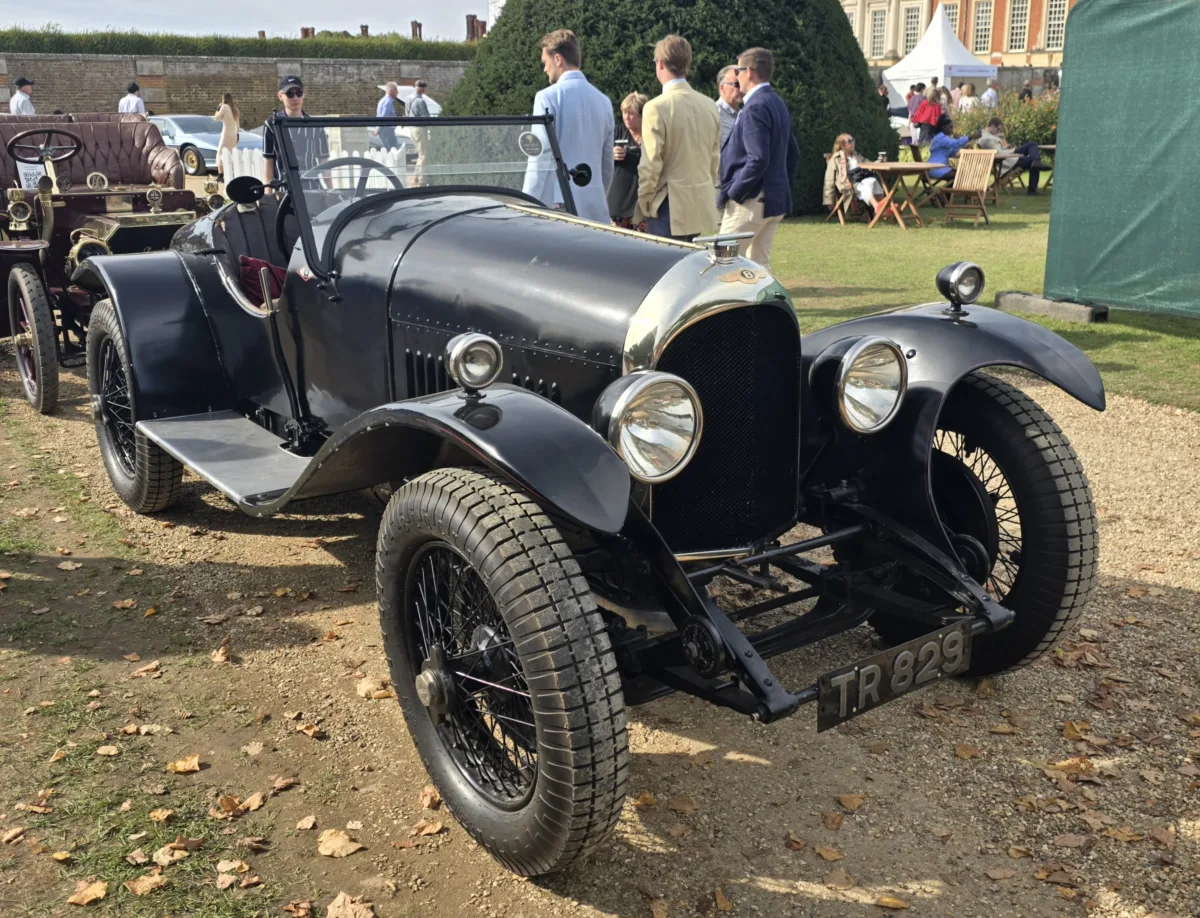
Bentley 3 Litre: 1921–1929, the first Bentley, versions and what collectors should know
The Bentley 3 Litre was the first production car created by W. O. Bentley, built from 1921 to 1929. This article reviews its history, key versions, and what you need to know if you're considering buying this classic car.






3 Litre in brief
The 3 Litre was the first Bentley Motors model named after its engine displacement—3 litres. The car quickly gained fame for its sporting achievements, including victories at the Le Mans race.
Cars were sold as chassis, with bodies built by separate coachbuilders, so appearances varied: from open sports tourers to closed saloons. Today, it's a highly rare collector's item.
Which version to choose
Key differences: chassis length (shorter and longer) and the faster Speed Model version. The shorter chassis is considered more sporty, while the longer one is more practical with larger bodies.
Collectors typically value original, well-documented cars with their own engine and chassis numbers. The body type and history significantly affect the value.
Engines and transmissions
The 3 Litre featured a 3.0-litre four-cylinder engine with an overhead camshaft and four valves per cylinder—this was cutting-edge design at the time.
Gearbox — manual, operated by the right hand, and in early cars the brakes only acted on the rear wheels; they were later improved. Each car can differ, so it's essential to check the specific example's specifications.
What to check when buying a 3 Litre
Firstly — authenticity and documentation. It's important whether the engine and chassis are original, if the body matches the chassis number and age. Among these cars, you'll find swapped engines, rebuilt cars, and replicas, so a specialist's expertise is required.
Assess the mechanical condition: the engine, suspension, gearbox, brakes, steering mechanism, and chassis. Pay attention to the wooden body frame and fabric or leather upholstery — older car bodies often require restoration.


Trim levels
Names and equipment vary by market and year; we list the versions most commonly found in Europe.
3 Litre (trumpesnė važiuoklė)
1921–1929A sportier version, often with an open tourer body.
- 3.0-litre four-cylinder engine
- Often — an open sports body
- Manual gearbox
3 Litre (ilgesnė važiuoklė)
1921–1929A more practical version, suitable for larger bodies.
- 3.0-litre four-cylinder engine
- More room for the body
- Manual gearbox
3 Litre Speed Model
circa 1924–1929Faster, sportier version.
- 3.0-litre engine with higher power
- Often — a lighter, sportier body
- Manual gearbox
Comparison of 3 Litre versions
| Trumpesnė važiuoklė | Ilgesnė važiuoklė | Speed Model | |
|---|---|---|---|
| Who it suits | For enthusiasts of sporty driving | For those wanting a more practical body | For collectors seeking the sportiest version |
| Body | Often open-top | Various, including closed | Often a light, sporty body |
| Price in the used market (relatively) | €€€ | €€€ | €€€ |
The 3 Litre is a collector's car whose value is determined by authenticity, body, and history, so expert appraisal is essential before buying.
Pros
- The first Bentley and a true piece of automotive history
- Cutting-edge engine design for its time
- Strong sporting heritage
- High collectible value
Cons
- Extremely rare and expensive car
- Many restored examples, expert inspection needed
- Specialist maintenance and parts
Frequently asked questions
When was the Bentley 3 Litre made?
The model was produced from 1921 to 1929 and was the first series car created by W. O. Bentley.
Why is it called the 3 Litre?
The name comes from the engine's displacement — around 3 litres.
Is the 3 Litre worth buying as a collectible car?
Yes, if you can find an original, well-documented example and have it checked by a specialist, as the market is flooded with restored cars and replicas.
Updated 2026-10-21 · Trim levels and equipment vary by market and model year — check the equipment of the specific car. · Translated automatically


