 English
 Lietuvių
 Latviešu
 Eesti
 Polski
 Русский
 Українська
 Deutsch
 Nederlands
 Čeština
 Slovenčina
 Svenska
 Norsk
 Dansk
 Suomi


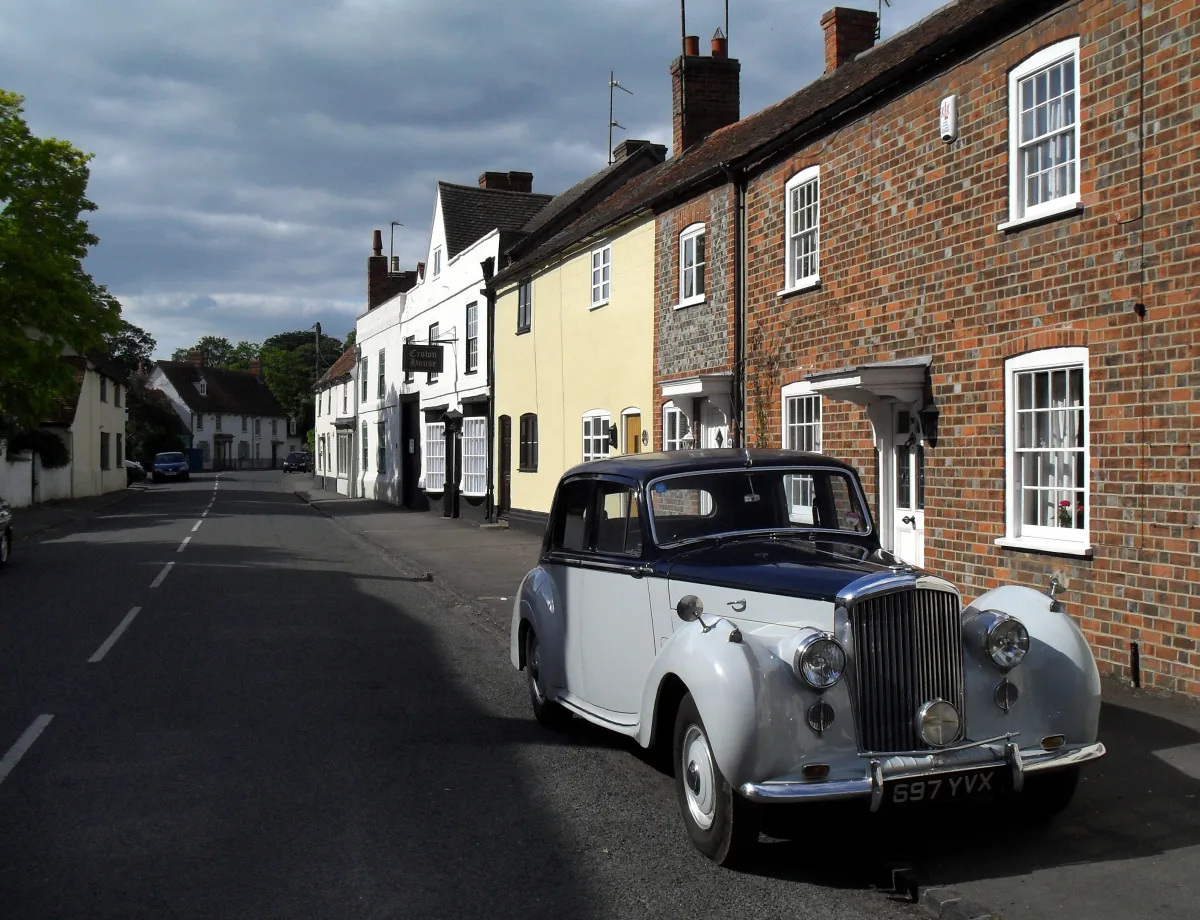
Bentley Mark VI: 1946–1952 the first post-war Bentley with a factory body
Bentley Mark VI — the first Bentley introduced after World War II, with a body built by the factory itself. We look at the model's history, engines, and what buyers of classic cars should know.






Mark VI briefly
The Mark VI was introduced in 1946 and became the first Bentley to be offered with a factory-built steel body — the 'Standard Steel Saloon'. Until then, Bentley typically supplied just the chassis, with bodies built by external coachbuilders.
As before, special bodies were also made to order. Around five thousand cars were produced in total, making it a fairly common classic Bentley.
Standard sedan and special bodies
The standard sedan is the most common version: practical, four-door, five-seater. It's a great starting point for classic car enthusiasts looking for a genuine post-war Bentley.
Special bodies (coupe, convertibles, bespoke variants) were built in limited numbers and are rarer and more expensive. The history and authenticity of each car are very important.
Engine and gearbox
The Mark VI initially had a 4.3-litre inline six-cylinder engine with a combined valve arrangement, and from 1951 the displacement was increased to around 4.6 litres. The manufacturer did not officially disclose the power output.
The gearbox is a four-speed manual, with drive to the rear wheels.
What to check when buying a Mark VI
The key things to look out for are corrosion and the body frame: rust spots, wheel arches, and door sills. Some bodies feature wooden structures that can rot over time.
The engine, gearbox, brakes, and electrical system should be inspected by a classic Bentley specialist. Be wary of cars without a restoration history.
Ask for documentation: matching chassis and engine numbers, service history, and restoration reports.


Versions
Names and equipment vary depending on the body manufacturer and order; we list the main versions.
Standard Steel Saloon
1946–1952Factory steel saloon.
- Built at the Crewe factory
- Four doors
- The most common version
Specialūs kėbulai
1946–1952Custom bodies to order.
- Bodywork by coachbuilders
- Coupe, convertibles, and other body styles
- Rarer versions
4,6 l variklio versijos
from 1951Later models with a larger engine.
- Around 4.6-litre engine capacity
- A bit more power
- Often — better equipment
Comparing versions
| Standard Steel | Specialus kėbulas | 4,6 l variklis | |
|---|---|---|---|
| Who it's for | For classic car enthusiasts | For those seeking something special | A more practical classic |
| Body style | Saloon | Different | Mostly saloon |
| Rarity | Relatively common | Rare | More common than specials |
| Price in the used market (relatively) | €€ | €€€ | €€ |
For most classic car enthusiasts, the best choice is a well-maintained standard sedan with a clear history.
Pros
- Classic post-war Bentley elegance
- Factory body and robust construction
- Relatively common and accessible classic
- Robust and well-tested construction
Cons
- Risk of corrosion and wooden structures
- Searching for specialists and parts
- Maintaining old technology requires meticulous care
Frequently asked questions
What makes the Mark VI special?
This was the first Bentley with a factory steel body, introduced after World War II.
How many Mark VI were produced?
Around five thousand cars.
How does the Mark VI differ from the R Type?
The R Type is an enhanced version of the Mark VI with a larger boot and some technical tweaks.
Updated 2026-10-21 · Trim levels and equipment vary by market and model year — check the equipment of the specific car. · Translated automatically


