Ford Transit: Mk7 and Mk8 generations, engines and trims
Ford Transit is one of the most recognisable commercial vehicles in Europe, having been in production since 1965. We look at how the Mk7 and Mk8 generations differ, which engines and body styles are most common, and what to check when buying a used Transit.
ADVERTISEMENT
Transit in brief
This article is about the full-size Transit. Smaller models like the Transit Custom, Transit Connect, and Transit Courier are covered separately. In the used market, you'll most often encounter the Mk7 (2006–2013) and Mk8 (from 2014) Transit.
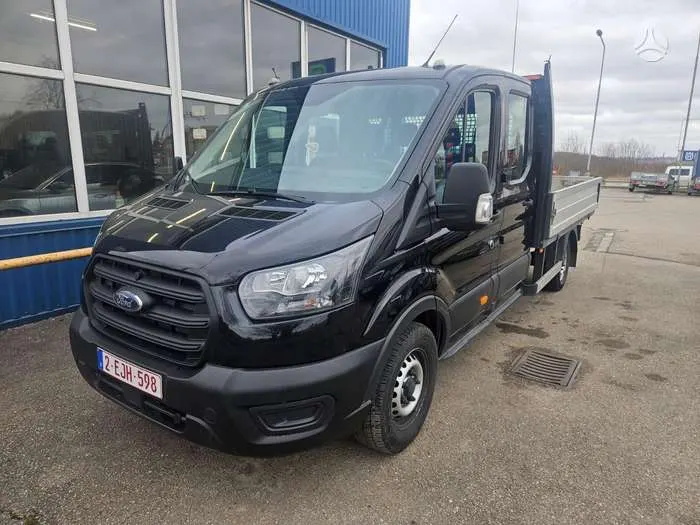
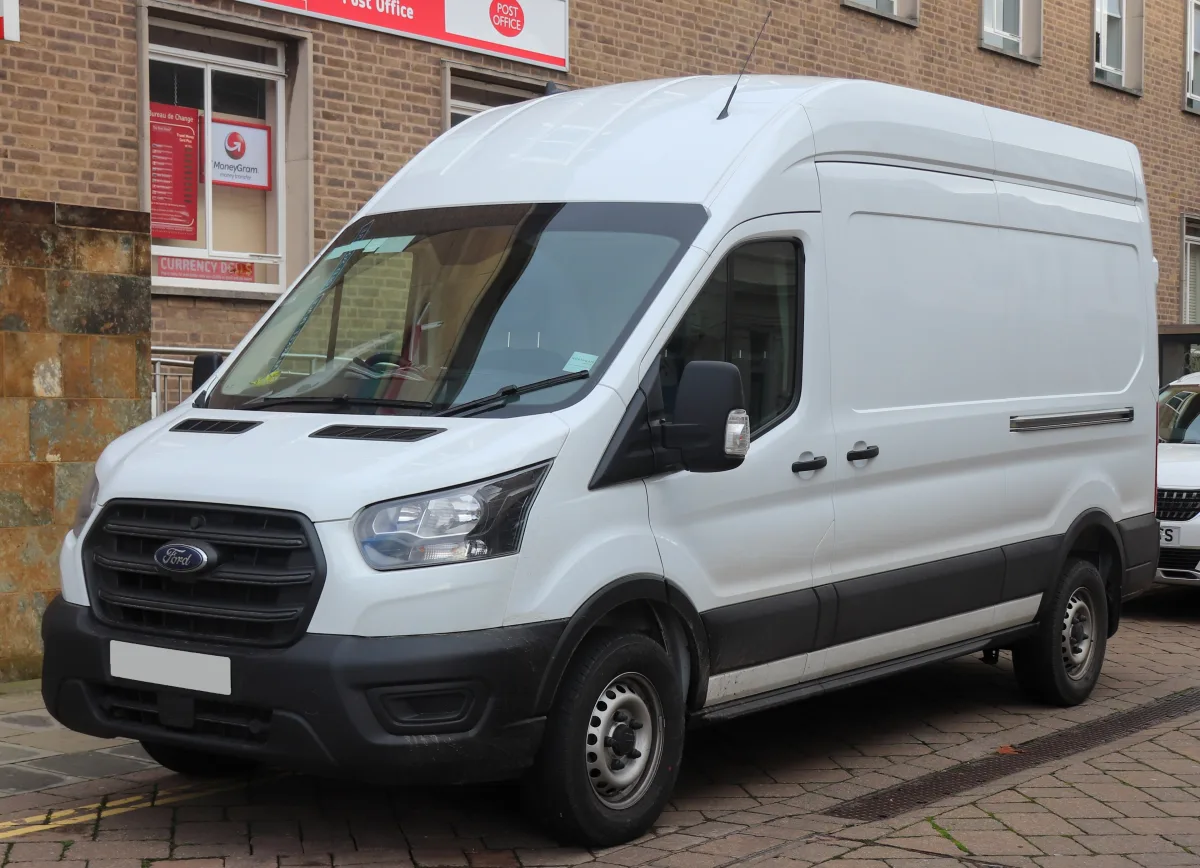
The Transit is available with front-wheel drive, rear-wheel drive, or four-wheel drive. The main body styles are the van, double-cab van, passenger (Kombi, Bus), and chassis cab. There are several lengths and roof heights — in the Mk8 generation, these are usually denoted as L2–L4 and H2–H3.
The number in the name (e.g., 350) indicates the gross vehicle weight: 350 means 3.5 tonnes. The heaviest versions with dual rear wheels exceed 3.5 tonnes.
Which generation to choose
The Mk7 (2006–2013) is an affordable and straightforward workhorse, but many have high mileage and rust issues. Front-wheel drive is suitable for lighter loads, while rear-wheel drive is better for heavier tasks and towing.
The Mk8 (from 2014) is larger, quieter, with a more modern cabin and more safety features. The 2019 facelift brought a new front end, improved cabin, more driver-assistance systems, and a mild hybrid option for some. The electric E-Transit has been in production since 2022.
For most buyers, the best choice is the Mk8, especially with the 2.0 EcoBlue engine.
Engines and Gearboxes
Mk7 front-wheel-drive models most often came with a 2.2 TDCi, while rear-wheel-drive versions had the 2.4 TDCi diesel; the rarer option was the five-cylinder 3.2 TDCi. After the 2011 update, the 2.2 TDCi became the standard.
Mk8 initially used the 2.2 TDCi (around 100–155 HP), and from 2016 onwards, the 2.0 EcoBlue diesel (typically around 105–185 HP). Euro 6 versions include an AdBlue system.
The most common gearbox is a six-speed manual; newer models also offer an automatic option.
What to Check When Buying a Used Transit
Check the service and MOT history for any issues. With a manual gearbox, inspect the clutch and dual-mass flywheel — vibration under load or slipping in neutral often indicates they need replacing.
The timing belt for the 2.0 EcoBlue engine runs in oil, so it's crucial that the oil is changed on time and to the correct specification — check the service history and if the belt has been replaced. For diesel cars, inspect the DPF, EGR, and AdBlue systems.
For Mk7 models, thoroughly check the bodywork: door sills, wheel arches, sills, and the rear door sills. For all models, inspect the cargo area, floor, and sliding door mechanisms.
ADVERTISEMENT
Body Versions and Trims
Body versions, lengths, heights, and equipment vary by market and year; we list the most common versions found in Europe.
Furgonas
Mk7, Mk8
The most common version is the cargo van with various lengths and heights.
Various lengths and roof heights
Sliding side and rear barn doors
Often — 3.5t gross weight
Furgonas su dviguba kabina
Mk7, Mk8
Van with a second row of seats for work with a crew.
Often 6–7 seats
Cargo area behind the second row
Often — partition behind the seats
Keleivinis (Kombi, Bus)
Mk7, Mk8
Passenger car or minibus for transporting passengers.
From 9 seats, more in longer versions
Windows and heating throughout the cabin
Larger versions require a D1 category licence
Važiuoklė su kabina
Mk7, Mk8
Base model for pickups, campervans and other conversions.
Single or double cab versions
Often — rear-wheel drive
Often — dual rear wheels in heavier versions
Trend
Mk7, Mk8
Popular trim with more comfort features.
Often — air conditioning
Often — parking sensors
Often — better infotainment system
Mk8 body styles compared
Furgonas
Dviguba kabina
Keleivinis
Važiuoklė su kabina
Who it suits
For hauling cargo
For work with a crew
For carrying passengers
For towing and heavy loads
Seating capacity (most often)
2–3
6–7
9 and more
2–3, double cab — up to 7
Driven wheels (most often)
Front or rear
Front or rear
Front or rear
Mostly rear-wheel drive
Engine
2.0 EcoBlue
2.0 EcoBlue
2.0 EcoBlue
2.0 EcoBlue
Price in the used market (relatively)
Budget-friendly
Mid-range
Premium
Mid-range
For most buyers, the best choice is the Mk8 van with the 2.0 EcoBlue. Rear-wheel drive is worth considering if you often haul heavy loads or tow a trailer.
Pros
A wide range of versions — front-wheel, rear-wheel, or all-wheel drive
A large supply of spare parts
The Mk8 cabin is practical and well-thought-out
Often cheaper than some competitors
Cons
Earlier Mk7 models tend to rust
The 2.0 EcoBlue timing belt in the engine bay requires meticulous maintenance
Many of the cars for sale have high mileage
Frequently asked questions
What's the difference between the Transit and Transit Custom?
The Transit Custom is a smaller, mid-sized van that competes with the VW Transporter. The larger Transit has a bigger cargo area, can come with rear-wheel drive, and has heavier-duty versions.
Should you choose front-wheel or rear-wheel drive?
Front-wheel drive has a lower cargo floor and is usually lighter, making it suitable for most jobs. Rear-wheel drive is better for heavy loads and towing.
Which Transit engine should you choose?
In the Mk8 range — the 2.0 EcoBlue: it's more economical and cleaner than the older 2.2 TDCi. Most importantly — regular and proper oil maintenance.
Can you drive a Transit with a B license?
Yes, if the gross vehicle weight doesn't exceed 3.5 tonnes — that's what the number in the name indicates (e.g., 350). Heavier versions require a C1 or C license.
Updated 2026-10-09 · Trim levels and equipment vary by market and model year — check the equipment of the specific car. · Translated automatically
Comments
No comments about the Ford Transit yet. Share your experience.
We use necessary cookies to run the website. With your consent, we will also use analytics and advertising measurement cookies — to understand how the website is used and to measure our advertising results. Learn more
 English
 Lietuvių
 Latviešu
 Eesti
 Polski
 Русский
 Українська
 Deutsch
 Nederlands
 Čeština
 Slovenčina
 Svenska
 Norsk
 Dansk
 Suomi


 4