 English
 Lietuvių
 Latviešu
 Eesti
 Polski
 Русский
 Українська
 Deutsch
 Nederlands
 Čeština
 Slovenčina
 Svenska
 Norsk
 Dansk
 Suomi


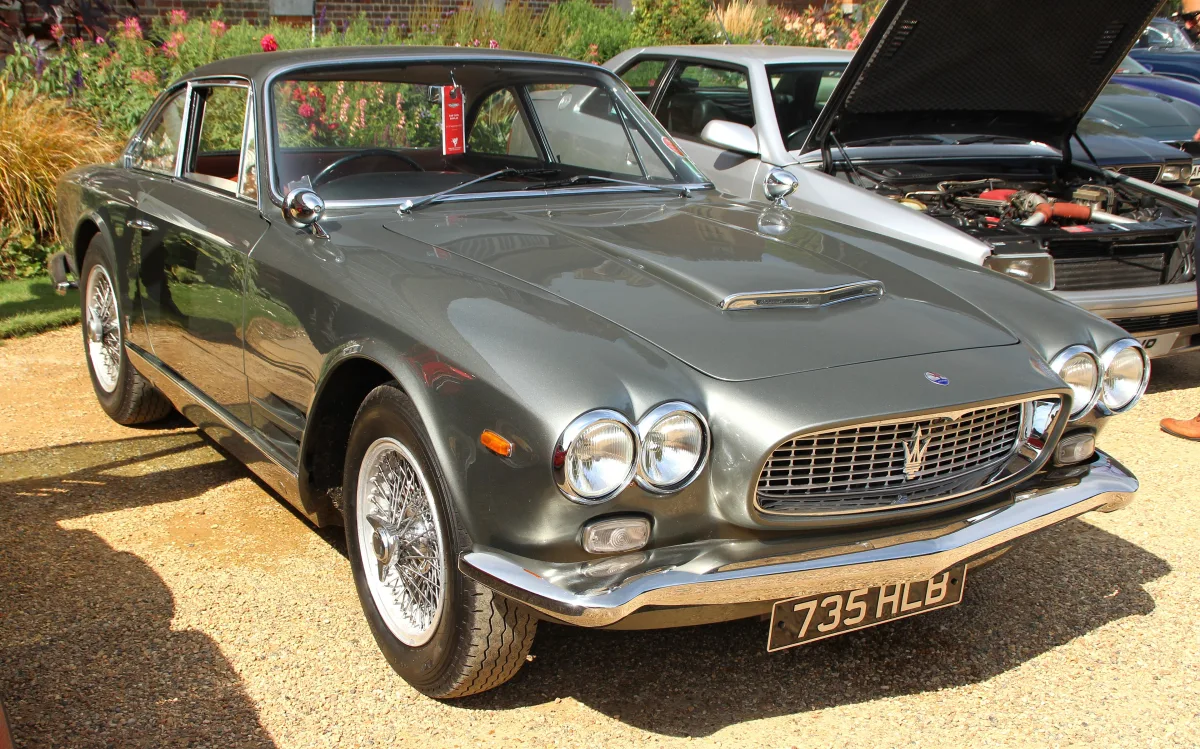
Maserati Sebring: 1960s coupé, technical concept and what to know
The Maserati Sebring is a 1960s 2-door 2+2 coupé built on the 3500 GT platform and distinguished by the elegant 'Vignale' body. We look at its history, technology, and what to know when considering a Sebring as a collectible car.






Sebring in brief
The Sebring is an elegant grand tourer (GT) coupé, created based on the Maserati 3500 GT. The name is linked to Maserati's famous racing successes at the Sebring track in the USA.
The car offered excellent quality, a luxurious interior, and sporty driving, making it one of the most coveted European coupés of its time. Today, it is a rare and expensive collectible.
Series I and Series II
The Sebring was produced in two main series — Series I (early 1960s) and Series II (later). Differences include design details, technical refinements, and some interior features.
Series II is often considered slightly more refined, but Series I is valued for its earlier, purer design. When choosing, the most important thing is the condition and history of the specific car.
Engine and gearbox
The Sebring is powered by an inline six-cylinder dual overhead camshaft engine — initially around 3.5 litres, later increased to roughly 3.7 and 4.0 litres. It is usually paired with a 5-speed manual gearbox.
The engine gave the car a smooth, powerful, and long-distance suitable character. Check the exact specifications in the documents of the specific car.
What to check when buying a Sebring
Sebring — a pricey collectible car, so first and foremost, look for a detailed history and documentation. Check if the body is original, there's no rust, and it hasn't been in any serious accidents.
The engine, gearbox, fuel injection or carburetor system, and suspension should be inspected by a specialist familiar with classic Maseratis. The electrical system and interior trim of an old car often require attention as well.
Due to its collectible value, it's recommended to enlist an independent expert to verify the factory numbers and match the body and engine.


Trim levels
The Sebring has two main series; we outline their differences and key features.
Sebring Series I
Early 1960sFirst series.
- Inline six-cylinder engine (around 3.5 L)
- Often — 5-speed manual gearbox
- Elegant Vignale body
Sebring Series II
Later yearsImproved series.
- Often — larger engine displacement
- Often — enhanced technology
- Often — modified exterior details
Comparing Sebring buying scenarios
| Originali būklė | Kokybiškai restauruota | Reikalinga restauracija | |
|---|---|---|---|
| Who it's for | For collectors | For daily use and shows | For enthusiasts with deep pockets |
| The key points | History and originality | Restoration documentation | Parts availability and cost |
| Risk | Maintenance costs | Quality of work | Significant additional expenses |
| Price in the used market (relatively) | €€€ | €€€ | €€ |
The Sebring is only suitable for serious collectors and only after thoroughly checking its history and authenticity. Buying without specialist help is not recommended.
Pros
- The elegant Vignale design
- A luxurious and comfortable GT car
- A powerful, smooth six-cylinder engine
- Collector's item
Cons
- Very expensive and rare
- Complex, costly maintenance
- A specialist is needed for classic Maserati technology
Frequently asked questions
Why is it called the Sebring?
The name is linked to the Sebring track in the USA, where Maserati achieved significant racing successes.
How does the Sebring differ from the 3500 GT?
The Sebring is based on the 3500 GT but features a different Vignale body and slightly improved technology.
Is the Sebring suitable for daily use?
This is a classic collector's car, so it should be used carefully, with meticulous maintenance and ideally with specialist help.
Updated 2026-10-21 · Trim levels and equipment vary by market and model year — check the equipment of the specific car. · Translated automatically


