 English
 Lietuvių
 Latviešu
 Eesti
 Polski
 Русский
 Українська
 Deutsch
 Nederlands
 Čeština
 Slovenčina
 Svenska
 Norsk
 Dansk
 Suomi


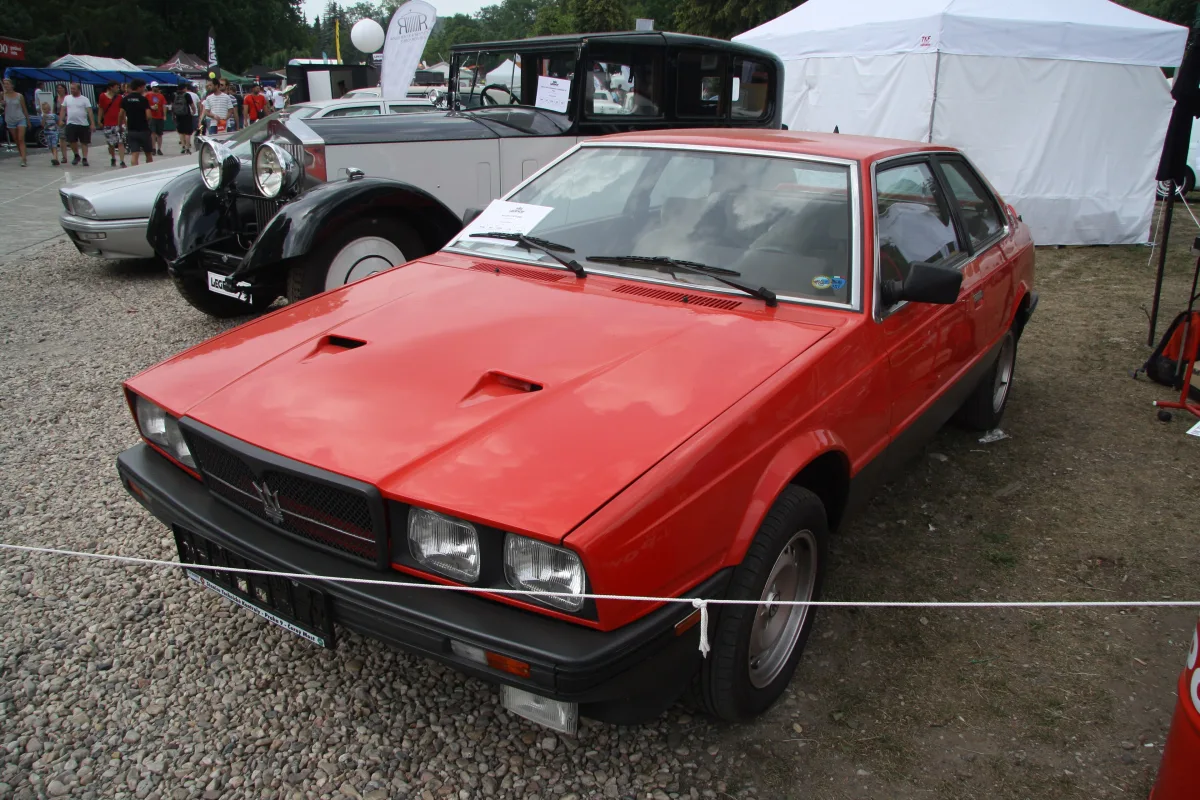
Maserati Biturbo: twin-turbo V6 coupe and sedan, what to know
The Maserati Biturbo is the Italian luxury coupe and sedan produced from 1981 to 1994 and the first series production car with twin turbos. We look at its variants, engines, and what you need to know when buying this classic Maserati.






Biturbo in brief
The Biturbo debuted in 1981 as a more affordable Maserati aimed at a broader audience. Its name comes from the twin-turbo V6 engine, which was innovative at the time.
Over its long production run, coupe, sedan (Maserati 420 and 425) and convertible (Spyder) bodies, and many different versions were released. Therefore, it's crucial for buyers to determine exactly which model they are purchasing.
Which version to choose
Early cars with carburetors look more original, but may require more tuning. Later versions with fuel injection (e.g., Si) are usually more user-friendly for daily driving.
The coupe body is the most common and often preferred by collectors. Sedans are more practical but rarer and less valued. The choice depends on whether you want a hobby car or a daily classic sedan.
Engines and transmissions
The Biturbo used a twin-turbo V6 engine; a 2.0-litre version was offered in Italy, while other markets got a larger displacement (around 2.5-litre) variant. Power varied depending on the version and year.
The transmission is either manual or automatic. Drive is to the rear wheels. Check the specific car's documents to determine the exact engine version and power.
What to check when buying a used Biturbo
These cars are known for their complex technology: turbochargers, cooling systems, electrical equipment, and fuel systems all require specialist attention. Ask for the full service history and invoices.
Inspect the body for corrosion and poorly executed repairs. Check the interior condition — leather, plastics, and electrical connectors often start to fail as they age.
Buy only from a reputable source and, if possible, use a Maserati specialist. The cost and availability of spare parts can be a significant challenge.


Trim levels
Names and equipment vary by market and year; we list the versions most commonly found in Europe.
Biturbo
1981 onwardsThe first version, the original model.
- Twin-turbo V6
- Coupe body style
- Early ones — with carburetors
Biturbo S
1980s versionMore powerful and sporty version.
- More powerful engine
- Sportier appearance
- Often — more lavish equipment
Biturbo Si
Late 1980sLater version with fuel injection
- Fuel injection system
- More modern design
- More convenient for daily use
425
1980s versionFour-door saloon version
- Four-door body
- More space inside
- More practical than the coupé
Comparing the versions
| Biturbo | Biturbo S | Si | 425 | |
|---|---|---|---|---|
| Who it's for | The original classic Maserati | For sportier driving | For everyday use | Families or passengers |
| Body style | Coupe | Coupe | Coupe | Sedan |
| Price in the used market (relatively) | €€ | €€ | €€ | €€ |
Most buyers will be looking for a well-maintained coupe with a known service history. The key isn't the specific version, but that the car is in good condition and has all the paperwork.
Pros
- A standout Maserati history
- Classic 1980s Italian styling
- The first series production car with twin turbochargers
- Luxurious interior
Cons
- Complex technology and expensive repairs
- Finding parts can be a challenge
- Rust and interior wear
Frequently asked questions
Why is this car called the Biturbo?
Its V6 engine has two turbochargers — at the time, that was a novelty in production cars.
Is the Biturbo reliable?
It's considered complex and sensitive to maintenance. The key is meticulous inspection and professional help.
Is the Biturbo a classic car?
Yes, it's an 80s Maserati that many appreciate as a hobby or collector's car.
Updated 2026-10-21 · Trim levels and equipment vary by market and model year — check the equipment of the specific car. · Translated automatically


