 English
 Lietuvių
 Latviešu
 Eesti
 Polski
 Русский
 Українська
 Deutsch
 Nederlands
 Čeština
 Slovenčina
 Svenska
 Norsk
 Dansk
 Suomi


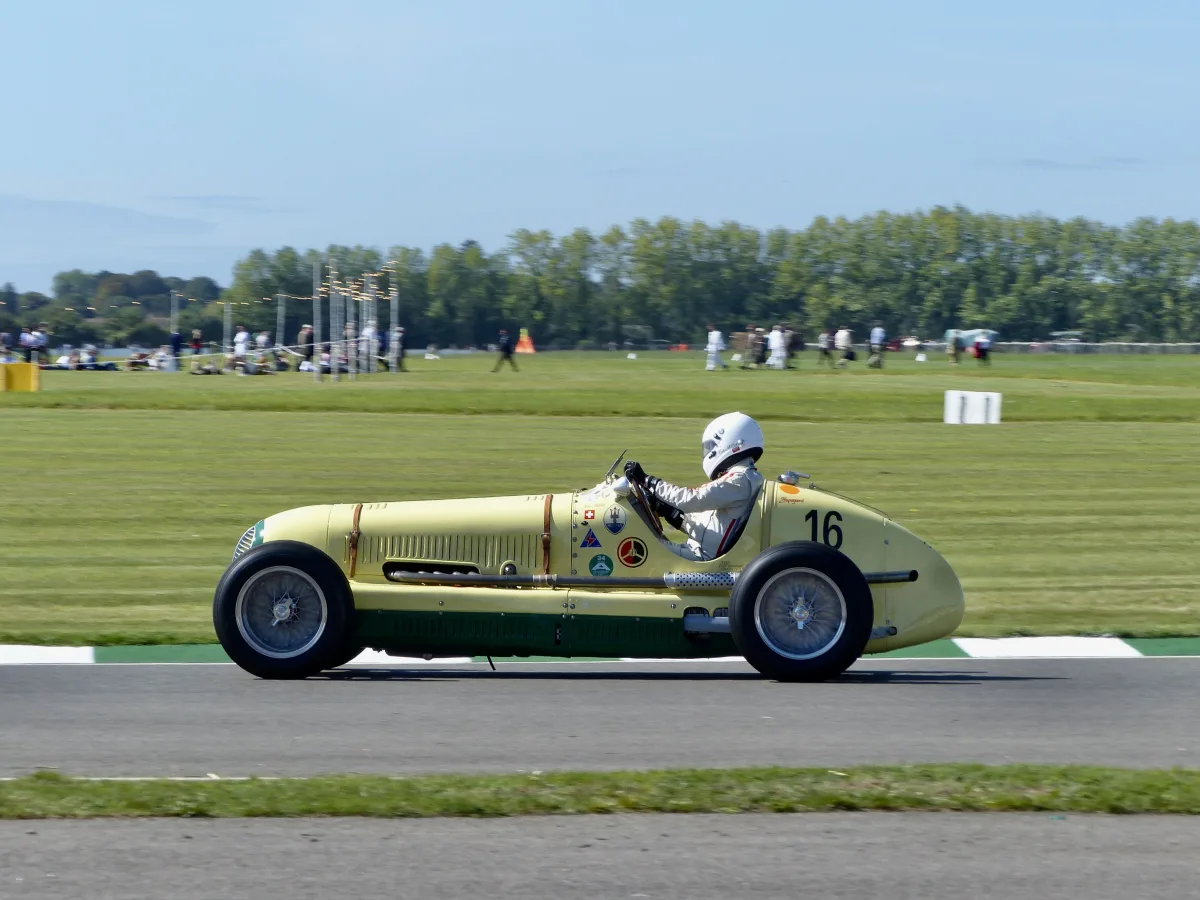
Maserati 8CM: an interwar Grand Prix racing car
The Maserati 8CM is an interwar Grand Prix car with an eight-cylinder, 3-litre supercharged engine, purchased not just by the factory team but also by private racers. We look at its origins, technology, and significance.






8CM in brief
The Maserati 8CM is one of the most famous and best-preserved interwar Maserati Grand Prix cars. It debuted in 1933 and was designed for the top-tier races of its time.
The number 8 in the name stands for eight cylinders, while the letter M is usually explained as 'monoposto'—a single-seater car.
History and development
Maserati has been operating since 1914 in Bologna, where its founders, the Maserati brothers, built racing cars from the very beginning. The 8C family was another step towards even more powerful automobiles.
The 8CM was also sold to private buyers, allowing independent racers to get their hands on one. Among its drivers was the French racer Philippe Étancelin.
Technical Specifications
The car was powered by a 3-litre, eight-cylinder inline engine with a supercharger, producing around 250 HP. This was a remarkably powerful engine for its time in racing.
The lightweight frame and single-seater body met the standards of racing cars of that era.
Value and Where to Find One
The 8CM was one of the accessible choices for private teams in Grand Prix racing and helped Maserati maintain its reputation among racing manufacturers.
The remaining 8CMs are often seen today in historic racing events, such as the Goodwood Revival. They are extremely rare and belong to collectors.


Versions
The evolution of the 8C family and the 8CM.
8C 3000
1932The previous two-seater 8-cylinder Maserati.
- Eight-cylinder supercharged engine
- Two-seater body
- Predecessor to the 8CM
8CM
1933Single-seater version for Grand Prix racing.
- Single-seater body
- 3-litre engine with supercharger
- Available to private teams as well
The 8CM and its interwar competitors
| Maserati 8CM | Alfa Romeo P3 | Bugatti T51 | Auto Union Type A | |
|---|---|---|---|---|
| Engine | 3.0-litre, 8-cylinder, supercharged | 2.6–2.9-litre, 8-cylinder, supercharged | 2.3-litre, 8-cylinder, supercharged | 4.4-litre, V16, supercharged |
| Engine position | Front-engined | Front-engined | Front-engined | Behind the driver |
| What sets it apart | Available to private teams | One of the first true single-seaters | French classic | Innovation in rear-engined design |
The 8CM wasn't the most technologically advanced, but it was practical and accessible — making it affordable for private racers.
Pros
- A key part of Maserati's Grand Prix history
- A powerful engine for its time
- Available to private teams
- A collector's dream
Cons
- Very rare
- Not suited to multiple owners or daily use
- Extremely high maintenance
Frequently asked questions
Can you buy a Maserati 8CM?
Very few of these cars appear in the collector's market, and when they do, prices are sky-high. They often remain in private collections and museums.
How many Maserati 8CMs were made?
We can't pinpoint an exact number — sources vary, but it was a small production run.
Does the 8CM participate in modern events?
Yes, surviving cars are regularly shown and driven at historic racing events.
Updated 2026-10-21 · Trim levels and equipment vary by market and model year — check the equipment of the specific car. · Translated automatically


