 English
 Lietuvių
 Latviešu
 Eesti
 Polski
 Русский
 Українська
 Deutsch
 Nederlands
 Čeština
 Slovenčina
 Svenska
 Norsk
 Dansk
 Suomi


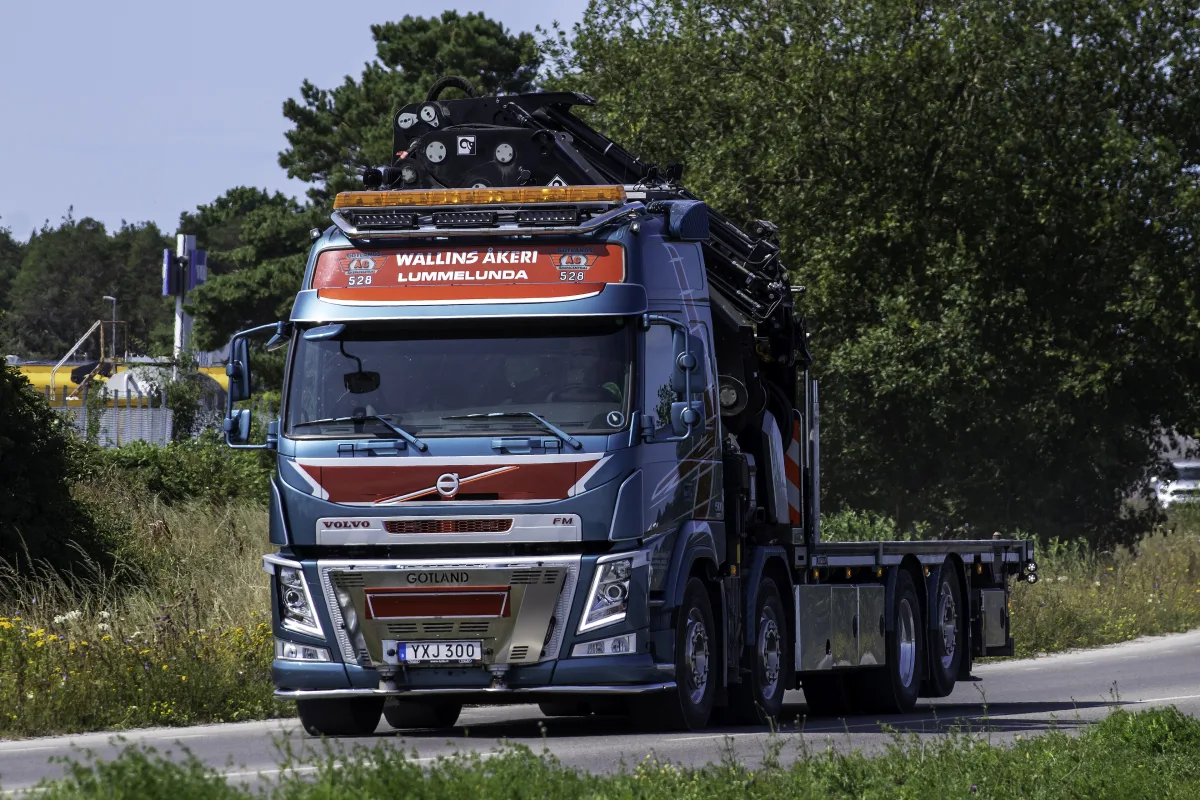
Volvo FM: versatile truck, generations, engines, and what to check
The Volvo FM (from 1998) is a versatile Volvo truck for regional transport and heavy-duty work. We look at the generations, engines, gearboxes, and what to check when buying used.






FM in brief
The FM is Volvo's versatile medium-duty truck, suitable for both regional transport and heavier tasks. It bridges the gap between the long-haul FH and the heavy-duty FMX, so it's often found with various bodies: tipper, tanker, crane, box or refrigerated.
The FM debuted in 1998 and has since been updated several times. Over the years, engines, gearboxes, cabs, and safety systems have all changed.
Generations — what sets them apart
The first generation (1998–2005) featured simpler technology and various engines, including the FM7, FM9, FM10, and FM12 — the number in the name indicated the engine capacity in litres. These are sturdy but now aging trucks.
The second and later generations (from 2005) come with Euro 4/5, and from 2013, Euro VI standards, a modern interior, and the automated I-Shift gearbox. These FMs are most commonly found in the used market.
Engines and gearboxes
The Euro VI FM uses Volvo's 11 and 13-litre six-cylinder engines (D11 and D13) in various power outputs — from around 330 to 500 hp. The smaller-capacity versions are ideal for regional transport, while the larger ones are suited to heavy towing.
Transmission — usually automated Volvo I-Shift, but manual and automatic options are also available. Newer FMs come with environmental safety and assistance systems, as well as an electric version.
What to check when buying a used FM
Request service history and tachograph data. Start the cold engine yourself: check for smoke, oil leaks, or unusual noises. Inspect the cooling system and turbocharger.
The I-Shift transmission should shift smoothly, without juddering. Check the clutch, rear axles, cardan shaft, and suspension (pneumatic springs). For heavy cabs — self-steering, crane — inspect the frame and hydraulics.
In Euro VI trucks, pay attention to the condition of AdBlue and diesel particulate filter (DPF). Inspect the cabin for corrosion, especially in older models, and check the electrical equipment.


Versions
Names and equipment vary by market and year; we list generally described versions, but check the exact specification in the documents of the specific truck.
Pirmoji karta
1998–2005Early FMs with simpler technology.
- Often — FM7, FM9, FM10 or FM12 engines
- Basic electronics
- Often — high mileage
Antroji karta
2005–2013Improved FMs with Euro 4/5 engines.
- Euro 4/5 engines
- Enhanced cab
- Often — I-Shift or manual transmission
FM Euro VI
from 2013Modern FMs with D11 and D13 engines.
- Euro VI with AdBlue
- Often — I-Shift and auxiliary systems
- Modern cab
Specializuotos versijos
various yearsTipper, tanker, crane or refrigerator.
- Additional hydraulics or equipment
- Special bodies
- Check the body condition
Comparison of generations
| Pirmoji karta | Antroji karta | Euro VI | |
|---|---|---|---|
| Who it's for | Ideal for heavy-duty work | For commercial transport | Modern regional transport |
| Emissions standard | Older | Euro 4/5 | Euro VI |
| Comfort | Basic | Better | Modern cab |
| Price in the used market (relatively) | Budget | Mid-range | Premium |
The FM is a versatile truck, suitable for a variety of tasks. Opt for examples with a clear service history and the right cab.
Pros
- Versatile, suitable for various cabs
- Reliable Volvo technology
- A wide choice of engine and axle configurations
- Comfortable cabin
Cons
- Euro VI systems can be expensive
- Corrosion and wear in older generations
- Specialist bodies add to the repair risk
Frequently asked questions
How does the FM differ from the FH?
The FH is designed for long-haul journeys, while the FM is more versatile, often used for regional transport and specialist bodies.
What did FM9 and FM12 mean?
In earlier generations, the number indicated the engine capacity in litres: FM9 was roughly 9 litres, FM12 was roughly 12 litres.
Is the FM suitable for heavy-duty work?
Some FM versions are, but for construction and other very heavy work, the FMX is more commonly chosen.
Updated 2026-10-21 · Trim levels and equipment vary by market and model year — check the equipment of the specific car. · Translated automatically


