 English
 Lietuvių
 Latviešu
 Eesti
 Polski
 Русский
 Українська
 Deutsch
 Nederlands
 Čeština
 Slovenčina
 Svenska
 Norsk
 Dansk
 Suomi


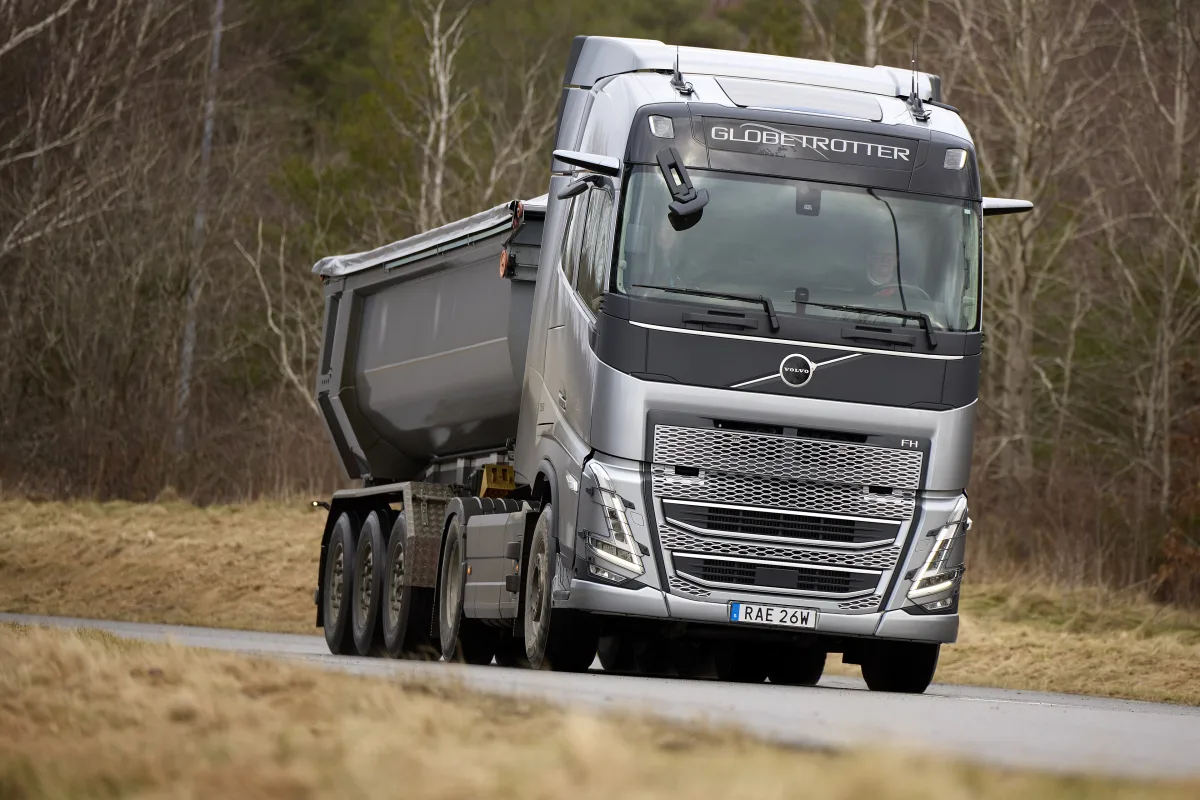
Volvo FH: generations, cabs, engines and what to check
Volvo FH — a heavy-duty tractor for long-haul journeys and one of the most popular trucks in Lithuanian international freight companies. We look at how FH generations and cabs differ, which engines and gearboxes are used, and what to check when buying a used Volvo FH.






FH in brief
The Volvo FH has been in production since 1993. It is most commonly purchased as a 4x2 tractor for international haulage, but there are also 6x2 tractors and rigid trucks with a liftable axle, and for heavy loads, 6x4 and 8x4 versions. The most powerful version is called the FH16 — it features a larger 16-litre engine.
The number in the Volvo name usually indicates the engine power in horsepower: for example, the FH 460 has around 460 hp. The FH is praised for its comfortable cabs, safety features, and the I-Shift automated gearbox, which has become almost standard over time.
Generations — what sets them apart
The first generation (1993–2002) and the second (2002–2012; the 2008 updated version is often referred to as the third generation) are the most affordable FH models today. Most of them have covered many miles and meet older Euro emissions standards, so they are often used for local work.
The fourth generation (2012–2020, often referred to as the FH4) features a completely new cab, Euro 6 engines, and more modern equipment. It is the most popular generation in the used market. Many vehicles come with the I-See function, which selects gears based on the road profile to save fuel, and some have the Volvo Dynamic Steering electric power steering.
Fifth generation (from 2020) gets a new cabin with a digital instrument cluster, more driver-assistance systems and often LED headlights. The 2024 FH Aero features a longer, more aerodynamic front end and often cameras instead of mirrors. There's also the electric FH Electric.
Engines and transmissions
Fourth and fifth generations most commonly feature the 13-litre D13 engine (around 420–540 hp), while the FH16 has a 16-litre D16 (around 550–780 hp). Newer models also offer the D13 TC version, which uses an additional turbine to recapture exhaust gas energy and save fuel. Euro 6 engines come with AdBlue systems and particulate filters.
I-Shift is a 12-speed automated manual transmission found in most newer FH models. Since 2014, the I-Shift Dual Clutch version with two clutches has been available, allowing for gear changes without interrupting traction. Older FH models might have a manual transmission.
Often fitted with engine brakes like the VEB or VEB+, and some trucks come with a transmission retarder, which is particularly useful on hilly routes and with heavy loads.
What to check when buying a used FH
Check the mileage and engine hours via the service history and tachograph data — trucks often cover more than 100,000 km per year. Ask for a diagnostic report with error logs and usage statistics.
Test the I-Shift gearbox: gears should shift smoothly, and the clutch should not slip or hesitate when moving with a load. Check the retarder or engine brake operation, the AdBlue system, NOx sensors, and the particulate filter — repairs to these parts can often be expensive.
Inspect the frame (for cracks, welds, and severe corrosion), the fifth wheel coupling, cab suspension, and interior. In older cabs, check for corrosion. Ensure the tachograph is working, has been tested, and the vehicle meets the Euro standard you require.


Cab and version
Cab names and equipment vary by generation and year; we list the most commonly found FH cabs and versions in Europe.
Sleeper Cab
All generationsLow-roof sleeper cab for regional and shorter trips.
- Low roof
- Bed behind the seats
- Lower weight and aerodynamic drag
Globetrotter
All generationsHigh-roof cab — a common choice for international trips.
- Higher roof and more space
- Sun visors above the windshield
- Often — a fridge and an autonomous heater
Globetrotter XL
Mostly newer generationsThe roomiest cab for drivers who spend weeks in the cab.
- The highest roof, stand up straight inside
- Plenty of space for your stuff
- Often — two beds
FH16
All generationsThe most powerful version for heavy loads and mountainous routes.
- 16-litre D16 engine
- Often — 6x2, 6x4 or 8x4 axle configuration
- Often — Globetrotter or Globetrotter XL cab
FH Aero
From 2024A more aerodynamic fifth-generation model with a longer front end.
- A longer, more spacious front section
- Often — cameras instead of mirrors
- Available with diesel, petrol and electric engines
Comparison of cabins and versions
| Sleeper Cab | Globetrotter | Globetrotter XL | FH16 | |
|---|---|---|---|---|
| Who it's for | For regional runs | For international travel | For long international travel | For heavy loads |
| Roof | Low | High | Highest | Mostly high or highest |
| Engine | D13 | D13 | D13 | D16 |
| Price in the used market (relatively) | € | €€ | €€ | €€€ |
For international haulage, you'll often find yourself drawn to a fourth or fifth-generation FH 4x2 tractor unit with a D13 engine, I-Shift gearbox, and Globetrotter cab. The FH16 is only worth considering if you're regularly hauling extremely heavy loads.
Pros
- Comfortable cabs and robust safety features
- I-Shift gearbox and economical D13 engines
- A wide range of options and an extensive service network
- Holds its value well in the used market
Cons
- Often more expensive than competitors in the used market
- Repairs to Euro 6 emission systems (AdBlue, DPF) can be costly
- Older models often have high mileage
Frequently asked questions
What's the difference between the Volvo FH and FH16?
The FH16 is the most powerful FH variant, featuring a 16-litre D16 engine designed for heavy loads and mountainous routes. The standard FH with a 13-litre D13 engine is more economical and usually sufficient for international haulage.
What does the number in the Volvo FH designation mean, for example, FH 500?
The number typically indicates the approximate horsepower of the engine. So, an FH 500 has around 500 HP, while an FH16 750 features a 750 HP 16-litre engine.
Which FH generation should you choose for international haulage?
Most often, the fourth or fifth generation with a Euro 6 engine and I-Shift gearbox. The fifth generation is more modern and comfortable but pricier, so for many buyers, a late fourth-generation tractor with a clear service history is a good compromise.
Updated 2026-10-09 · Trim levels and equipment vary by market and model year — check the equipment of the specific car. · Translated automatically


