 English
 Lietuvių
 Latviešu
 Eesti
 Polski
 Русский
 Українська
 Deutsch
 Nederlands
 Čeština
 Slovenčina
 Svenska
 Norsk
 Dansk
 Suomi


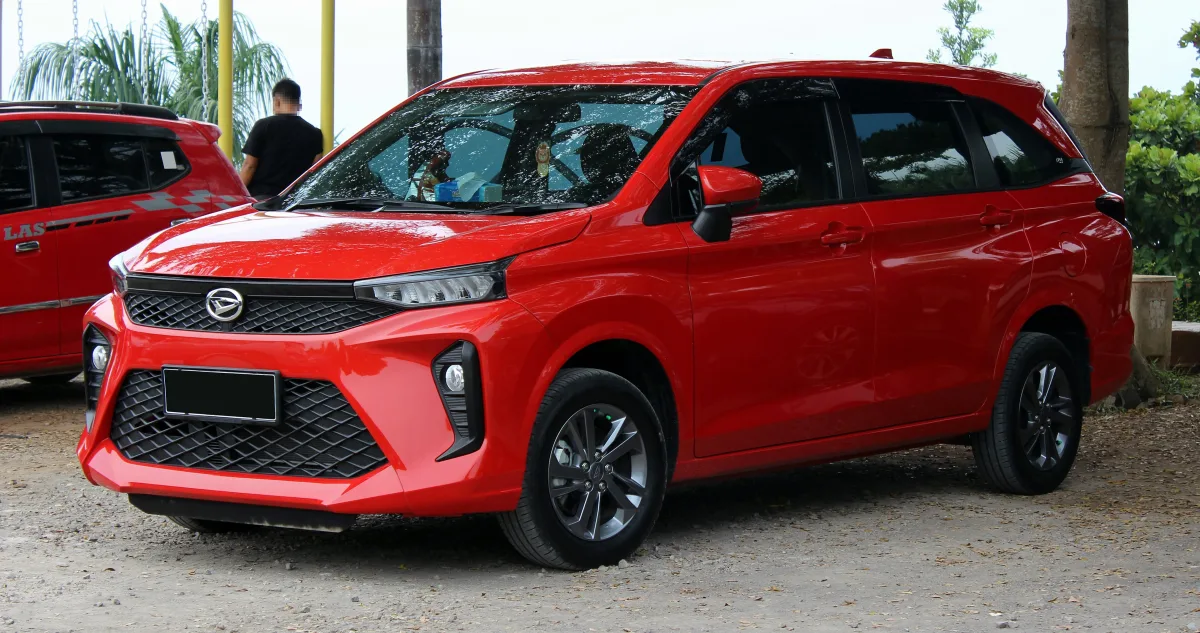
Daihatsu Xenia: generations, engines and trims
The Daihatsu Xenia is an affordable seven-seater MPV that's mostly sold in Southeast Asia and is related to the Toyota Avanza. In this article, we'll look at the generations, engines, trims, and what you need to know if you're considering importing one to Lithuania.






Xenia in brief
The Xenia was launched in 2003 in Indonesia as a small, practical, and affordable family car. It was developed alongside the Toyota: both models are essentially the same car, sold under different names, with differences mainly in the front and interior.
The Xenia offers three rows of seats, a simple design, and low running costs. As a result, it's very popular as a family car, taxi, and commercial vehicle, although it was never officially sold in Europe.
Which one to choose
The first generation (2003–2011) is the most basic and cheapest option, but it's outdated by today's safety and comfort standards. It might only appeal to most buyers due to its very low price.
The second generation (from 2011) became more modern, with a cleaner look and more features. The model was refreshed in 2015. The third generation (from 2021) features a new design, more space, and safety systems, as well as a package of driver-assistance systems.
Engines and transmissions
The most commonly fitted engines are 1.3 and 1.5-litre petrol units. The 1.3-litre engine produces around 90–100hp, while the 1.5-litre offers around 100hp, making them suitable for daily city driving, but power can feel lacking on the motorway or when fully loaded.
The gearbox is either manual or automatic (4-speed or CVT, depending on the generation and version). Drive is to the rear wheels, but not in all market variants, so check the specific car’s details in the documents.
What to check when buying a Xenia
Since the Xenia is not officially sold in Europe, you won’t see many in Lithuania. The car is imported from abroad, so first check the registration requirements and availability of parts and mechanics.
Inspect the body for corrosion and signs of repair, check the suspension and engine. Many of these cars are used as taxis or commercial vehicles, so mileage and wear might be higher than the odometer shows.
Test the gearbox, air conditioning, electronic features, and operation of all windows and doors. Ask for the service history and documents proving the car’s origin.


Trim levels
Names and equipment vary by market and year; we list the versions most commonly found in Europe.
M
Second to third generationBasic trim with essential equipment.
- Usually steel wheels
- Simpler interior trim
- Often a manual gearbox
X
Second to third generationMid-range version with more comfort.
- Often alloy wheels
- Often — electrically adjustable windows and mirrors
- More comfortable interior trim
R
Second to third generationThe top standard version.
- Often alloy wheels
- Often — a larger multimedia screen
- More comfort features
R ASA
Third generationR version with an advanced driver-assistance package.
- Advanced driver-assistance package
- Often — front collision warning
- The top trim in the third generation
Trim comparison
| M | X | R | |
|---|---|---|---|
| Who it's for | For taxis and commercial use | For families and daily use | More features for enthusiasts |
| Most common searches | Petrol | Petrol or hybrid | Mild hybrid |
| Interior | Basic trim | More comfortable seats | Higher quality trim |
| Engine | 1.3-litre | 1.3-litre | 1.3 or 1.5-litre |
| Price in the used market (relatively) | Budget | Budget | Mid-range |
For most buyers, the X version offers the best balance of price and features. Opt for the R if comfort and modern equipment are priorities.
Pros
- Plenty of space for seven passengers
- Simple and modestly maintained construction
- Low fuel consumption
- Suitable for families and commercial use
Cons
- Not officially sold in Europe — finding parts might be tricky
- Lacks power when fully loaded
- Safety features are more basic than European competitors
Frequently asked questions
How does the Xenia differ from the Toyota Avanza?
Technically, it's almost the same car, sold under two names: Xenia by Daihatsu, Avanza by Toyota. Differences are usually seen in the front and interior.
Is the Xenia sold in Europe?
No, it's not officially sold in Europe. In Lithuania, you'd need to import it from abroad and check registration conditions in advance.
Which Xenia generation is the best?
The third generation (from 2021) is worth choosing for its features and safety. If budget is tight, the second generation is also an option, but you'll need to carefully assess its technical condition.
Updated 2026-10-21 · Trim levels and equipment vary by market and model year — check the equipment of the specific car. · Translated automatically


