 English
 Lietuvių
 Latviešu
 Eesti
 Polski
 Русский
 Українська
 Deutsch
 Nederlands
 Čeština
 Slovenčina
 Svenska
 Norsk
 Dansk
 Suomi


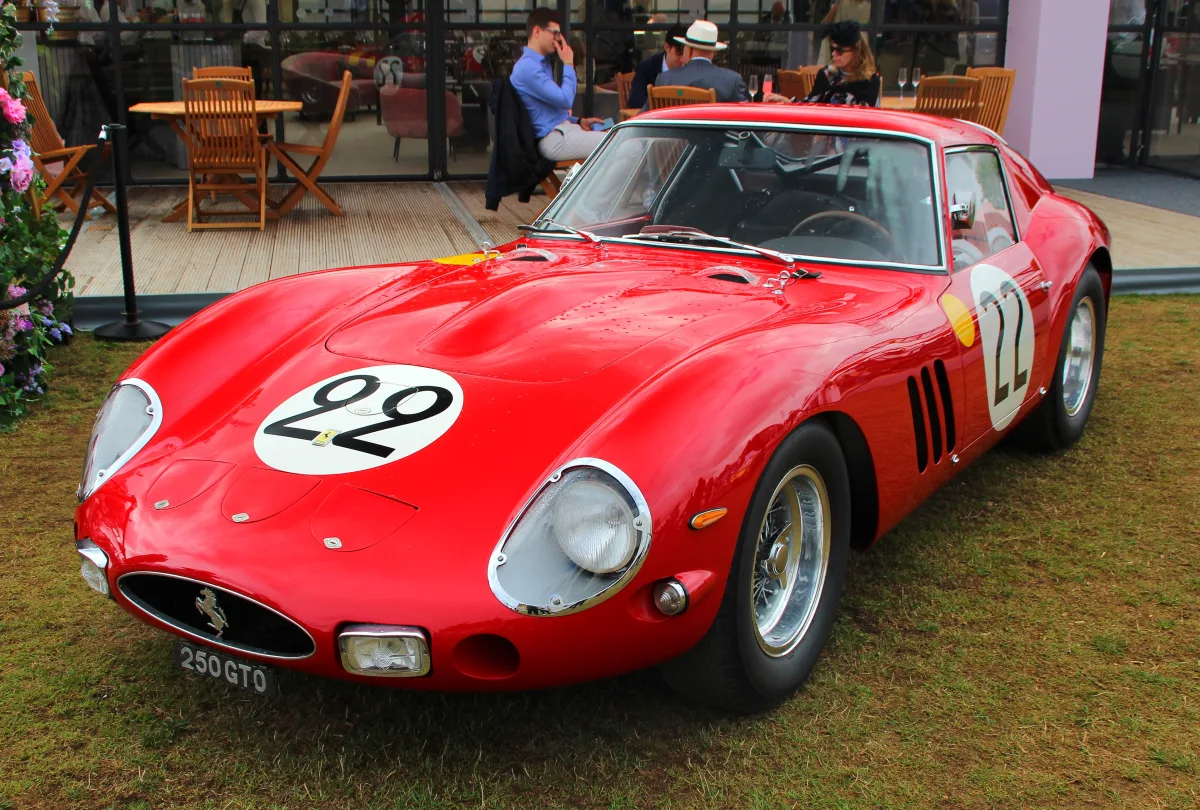
Ferrari 250: the model range, V12 engine and what to know before buying
Ferrari 250 — the model range from the 1950s and early 1960s, combining road and race cars powered by a 3.0-litre V12 engine. In this article, we look at the family of models, their technology and what you need to know if you're considering buying one of these collectible cars.






Ferrari 250 in brief
The name '250' refers to the capacity of one cylinder — around 250 cubic centimetres. This code is associated with the 3.0-litre Colombo V12 engine, which was used in a variety of models — from race cars to elegant coupés and cabriolets.
This isn't just one model, but an entire family. It includes legendary race cars and luxurious GT road cars. Today, many of them are among the most valuable and highly sought-after classic cars in the world.
Which model to choose
The 250 GT Berlinetta and 250 GT SWB are sportier road cars that can also be used in competition. They are prized for their design, history and engineering. The 250 GT Lusso is a more elegant, comfortable grand tourer.
The 250 GT California Spider is an open-top model, while the 250 GT Cabriolet and Coupé (Pininfarina) are luxurious grand tourers. The 250 GTO and 250 Testa Rossa are legendary race cars, produced in very limited numbers.
Engine and gearbox
The backbone of the range is the 3.0-litre V12 Colombo engine, with power outputs varying by version — from around 220 to approximately 300hp in the race models. The engine is renowned for its longevity and distinctive sound.
Gearbox — manual, usually with four or five speeds. Driving requires experience, and the car is simple by today's standards.
What to check when buying a 250
Purchasing such a car requires a specialist. It's essential to check the history, ensure the numbers match, verify if the car has a Ferrari Classiche certificate, and confirm it's not a replica or modified vehicle. There are many replicas on the market, so verifying the origin is crucial.
Check the body for rust and previous repairs, the engine and gearbox condition, the suspension, and brakes. It's recommended to use an independent expert and legal verification, as these cars are highly valuable.


Trim levels
Names and equipment vary by market and year; we list the most common trims found in Europe.
250 GT Berlinetta
1956–1959The first sports road versions, which competed in races.
- Colombo 3.0 l V12
- Sporty body
- Rare and valued by collectors
250 GT SWB
1959–1962Shorter-wheelbase sports version.
- Shorter wheelbase — more agile handling
- Often — a lighter body
- Highly regarded
250 GT California Spider
1957–1963Convertible — a collector's dream.
- Convertible
- Elegant design
- Rare and expensive
250 GT Lusso
1962–1964Elegant, comfortable grand tourer.
- Pininfarina design
- More comfortable interior
- Ideal for long journeys
250 GTO
1962–1964Legendary race car, produced in very limited numbers.
- Built for competition
- Very rare
- One of the most valuable classic cars
250 Testa Rossa
1957–1961Racing car with red engine covers.
- Built for endurance racing
- Very rare
- Among the most expensive classic cars
Comparison of Ferrari 250 models
| Berlinetta | California Spider | Lusso | GTO | |
|---|---|---|---|---|
| Who it's for | For the sports car enthusiast | For open-top driving enthusiasts | For elegant road trips | For top-tier collectors |
| Body style | Coupe | Convertible | Coupe | Coupe |
| Engine | 3.0-litre V12 | 3.0-litre V12 | 3.0-litre V12 | 3.0-litre V12 |
| Purpose | Roads and racing | Roads | Roads | Racing |
| Price in the used market (relatively) | €€€ | €€€ | €€€ | €€€ |
These cars are of collector status — the choice depends on budget, goals, and provenance. A pre-purchase independent inspection and provenance check are essential.
Pros
- Legendary V12 engine and sound
- Historical and collector value
- Distinctive Pininfarina design
- The family includes both road and racing cars
Cons
- Extremely high prices
- Many replicas and modified cars
- Requires specialist maintenance and parts
Frequently asked questions
What does “250” mean?
This is the engine capacity — around 250 cubic centimetres. This figure is associated with the 3.0-litre V12 engine.
Why is the 250 GTO so expensive?
It was produced in very limited numbers, has a successful racing history and is one of Ferrari's most legendary models. As a result, its value is among the highest in the world.
How to distinguish a genuine 250 from a replica?
An independent expert and document check are required, including the Ferrari Classiche certificate and matching chassis and engine numbers. It's not advisable to attempt this on your own.
Updated 2026-10-19 · Trim levels and equipment vary by market and model year — check the equipment of the specific car. · Translated automatically


