 English
 Lietuvių
 Latviešu
 Eesti
 Polski
 Русский
 Українська
 Deutsch
 Nederlands
 Čeština
 Slovenčina
 Svenska
 Norsk
 Dansk
 Suomi


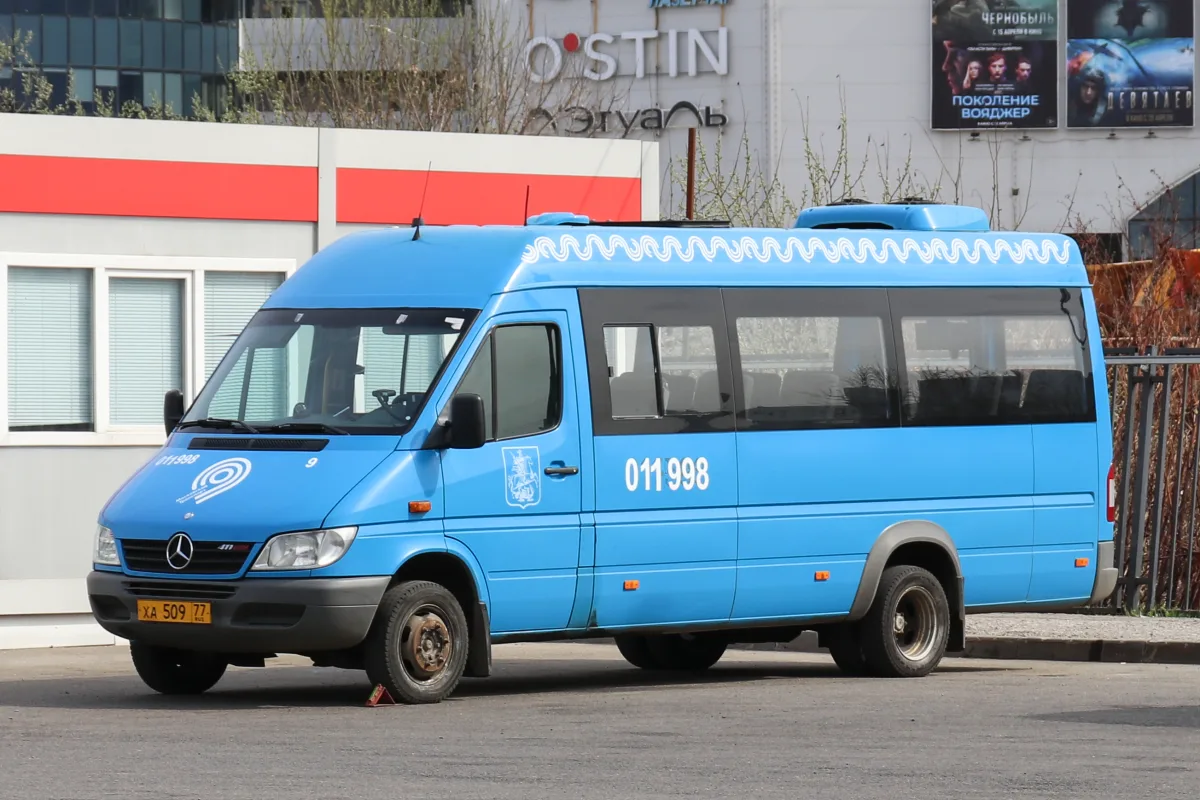
Mercedes-Benz Sprinter Classic: The old Sprinter made in Russia
Mercedes-Benz Sprinter Classic — The first-generation Sprinter made by GAZ in Nizhny Novgorod since 2013, tailored for the Russian and Eastern European markets. We look at how it differs from the original Sprinter, which versions are known, and what buyers should know.






Sprinter Classic in brief
Sprinter Classic — The revived 2000–2006 Sprinter model, produced by the Gorky Automobile Plant (GAZ) in Nizhny Novgorod since 2013. It's sold only in Russia and Eastern European markets, so it's not officially available in Lithuania.
The basis is the previous-generation Sprinter, which has been replaced by other models in Europe. GAZ adapted it for the local market, where this old design remains popular in the microbus and van segments.
How it differs from the original Sprinter
Sprinter Classic uses the radiator grille from the 2002–2006 facelift (Phase II) and the instrument panel from the 2000–2006 model, but the steering wheel is from the 2006–2014 Sprinter.
Externally, it resembles the Sprinter commonly found in the used market in Lithuania, so it's easy to confuse. The differences are mostly in the details, so check the VIN and documents.
Versions and gearboxes
The Sprinter family features several body styles: vans, microbuses, and cab chassis. Always verify the exact Classic versions, engine options, and gearbox availability from the specific vehicle's documents.
This model's technology is simple and well-known to mechanics who have worked on the first-generation Sprinter, so repairs in Lithuania should generally not pose major difficulties.
What to check when buying
Ensure the vehicle is legally registered in the EU, has the necessary documents, and can be inspected technically according to Lithuanian requirements. Cars intended for the Russian market may have different equipment.
Second-generation Sprinter bodies are notorious for rust, especially around the wheel arches, sills, and door bottoms, so inspect the underside. Assess the condition of the engine and gearbox based on service history and a test drive.


Trim levels
Trim levels for this model are not clearly defined — the Classic is sold as a range of body versions.
Furgonas, mikroautobusas, važiuoklė
From 2013A workhorse for transporting goods and passengers.
- Body styles: van, minibus, chassis cab
- Basic, work-oriented equipment
- Equipment varies by version
Comparison of body versions
| Furgonas | Mikroautobusas | Važiuoklė su kabina | |
|---|---|---|---|
| Who it's for | For cargo | For passengers | Available with special bodies |
| Purpose | For business | For route or minibus transport | With special bodies |
| Price in the used market (relatively) | €€ | €€ | €€ |
Choice depends on purpose: van for cargo, minibus for passengers, chassis for special bodies.
Pros
- Simple and well-known technology
- Wide range of body options for work
- Many similarities with the first-generation Sprinter
- Familiar to mechanics
Cons
- Not officially sold in Lithuania
- An older design, lagging in safety and comfort
- Body corrosion is a common issue with this generation Sprinter
Frequently asked questions
Is the Sprinter Classic a true Mercedes-Benz?
The base is the Mercedes-Benz Sprinter, but the car is manufactured in Russia by GAZ.
How does the Classic differ from the old Sprinter?
Mostly in the details: phase II radiator grille, instrument cluster from 2000–2006, and the steering from a later Sprinter.
Is the Classic sold in Lithuania?
Officially, no — it's intended for the Russian and Eastern European markets.
Updated 2026-10-21 · Trim levels and equipment vary by market and model year — check the equipment of the specific car. · Translated automatically


