 English
 Lietuvių
 Latviešu
 Eesti
 Polski
 Русский
 Українська
 Deutsch
 Nederlands
 Čeština
 Slovenčina
 Svenska
 Norsk
 Dansk
 Suomi


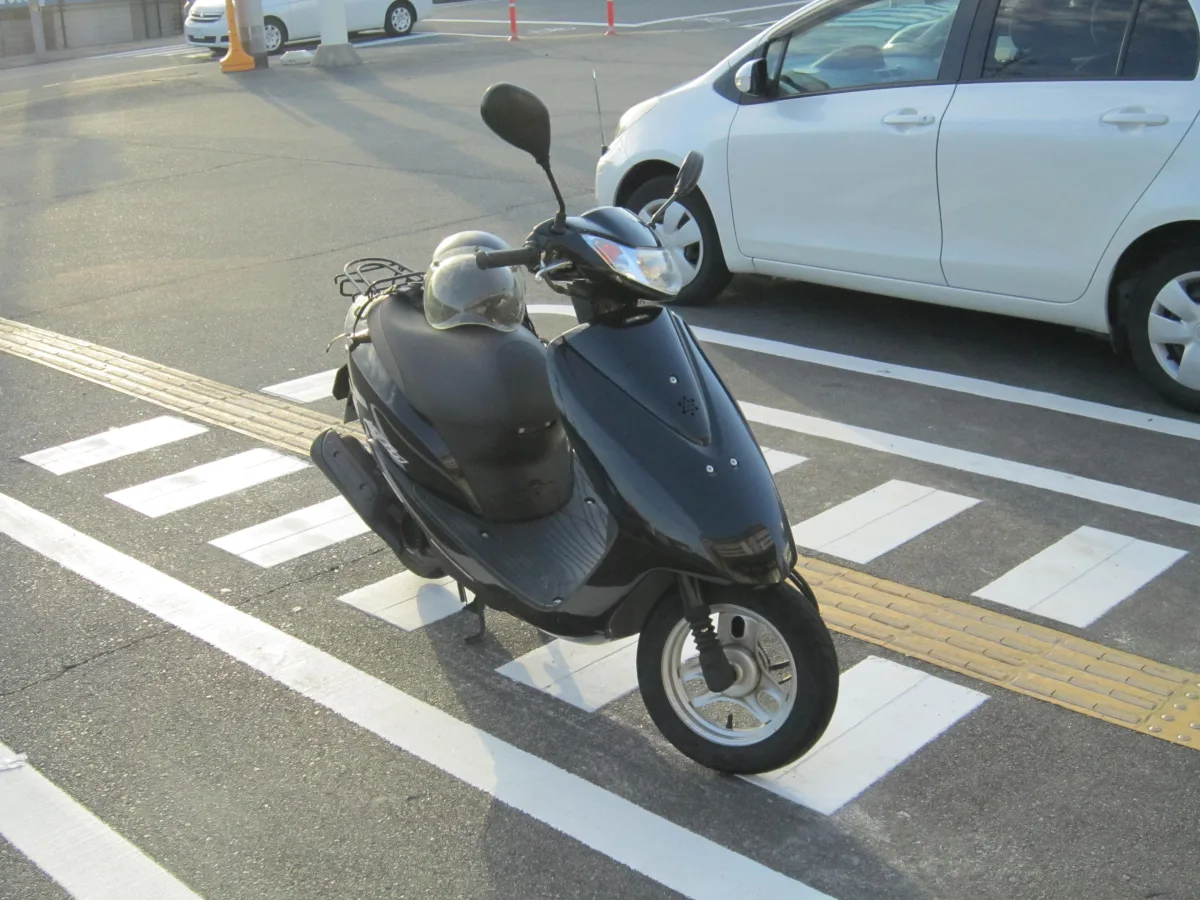
Honda Dio: 50 cm³ scooter, generations and what to check
Honda Dio (from 1988) — a compact city scooter whose name has been used for many years and across several generations. We look at how the two-stroke and four-stroke versions differ, who the Dio is suited to, and what to check when buying used.






Dio in brief
The Dio is a lightweight, compact, and economical scooter designed for city riding: low seat height, light weight, and simple handling. It's one of the most popular Honda 50 cm³ scooters in Japan and Asia.
In Europe, many Dios are imported from Japan or other countries, so documentation and registration can vary. Before buying, check which specific version you're getting and how it's registered.
Generations — how they differ
The first-generation Dio (from 1988) featured a two-stroke 50 cm³ engine with a carburettor. Later, updated versions and four-strokes arrived, meeting stricter emissions standards.
In some markets (e.g., India), the Dio is sold with a larger, around 110 cm³ four-stroke engine. These scooters visually resemble the older Dio but have a different design, so the choice of spare parts varies.
Engine and running gear
The most common 50 cm³ engine, automatic CVT transmission (no need to shift gears) and drum or simple disc brakes. Power is modest, suitable for city use and short trips.
The bike is light, with small wheels, making it nimble in traffic, but sensitive to potholes. Pay attention to the oil for two-stroke versions: they need the right oil and regular servicing.
What to check when buying a used Dio
First — the paperwork: if the bike was imported, check that it's properly registered and what category it falls into. Also, ask about the engine size and whether it matches the declared specs.
Inspect the variator belt and pulleys, brakes, tyres, fuel and oil systems. Start the cold engine: it should fire up without a long crank, not smoke excessively, and have a smooth idle. Check the bodywork condition — it often gets scratched, and parts can be pricey.


Trims and versions
The Honda Dio comes in several generations and variants; we list the main versions.
Dio (2T)
from 1988Early two-stroke 50 cm³ version.
- 50 cm³ two-stroke engine
- Automatic variator transmission
- Simple, lightweight construction
Dio (4T)
laterFour-stroke version, meeting stricter emissions standards.
- Four-stroke engine
- Often — lower running costs
- Cleaner emissions
Dio 110
Asian marketLarger-displacement version, sold in some markets.
- Approximately 110 cc four-stroke engine
- More power than 50 cc
- Different parts selection
Comparison of different versions
| Dio 2T | Dio 4T | Dio 110 | |
|---|---|---|---|
| Who it's for | For short urban trips | For economical driving | For more power |
| Engine | 50 cc, two-stroke | 50 cc, four-stroke | Approximately 110 cc, four-stroke |
| What to check first | Engine condition, oil system | Transmission, brakes | Documents and parts availability |
| Price in the used market (relatively) | € | € | €€ |
The Dio is perfect for those who need an affordable and simple city scooter. When choosing, it's important to check the documents and engine size, not just the appearance.
Pros
- A light and agile city scooter
- Simple design, straightforward maintenance
- Economical
- Low price in the used market
Cons
- Modest power and speed
- Imported scooters need to have their documents thoroughly checked
- Two-stroke versions are less friendly to the environment
Frequently asked questions
Is the Dio suitable for beginners?
Yes, it's easy to handle, has an automatic transmission and straightforward controls. The key thing is that you should have the appropriate category for the engine size.
Can the Dio be driven with a B category license?
That depends on the country's regulations and engine size. Requirements for riding a 50 cm³ scooter are usually less stringent than for larger ones, but check your local rules.
How does the two-stroke Dio differ from the four-stroke?
The two-stroke version is simpler and more lively, but requires more oil and is dirtier. The four-stroke is quieter, more economical and cleaner.
Updated 2026-10-21 · Trim levels and equipment vary by market and model year — check the equipment of the specific car. · Translated automatically


