 English
 Lietuvių
 Latviešu
 Eesti
 Polski
 Русский
 Українська
 Deutsch
 Nederlands
 Čeština
 Slovenčina
 Svenska
 Norsk
 Dansk
 Suomi


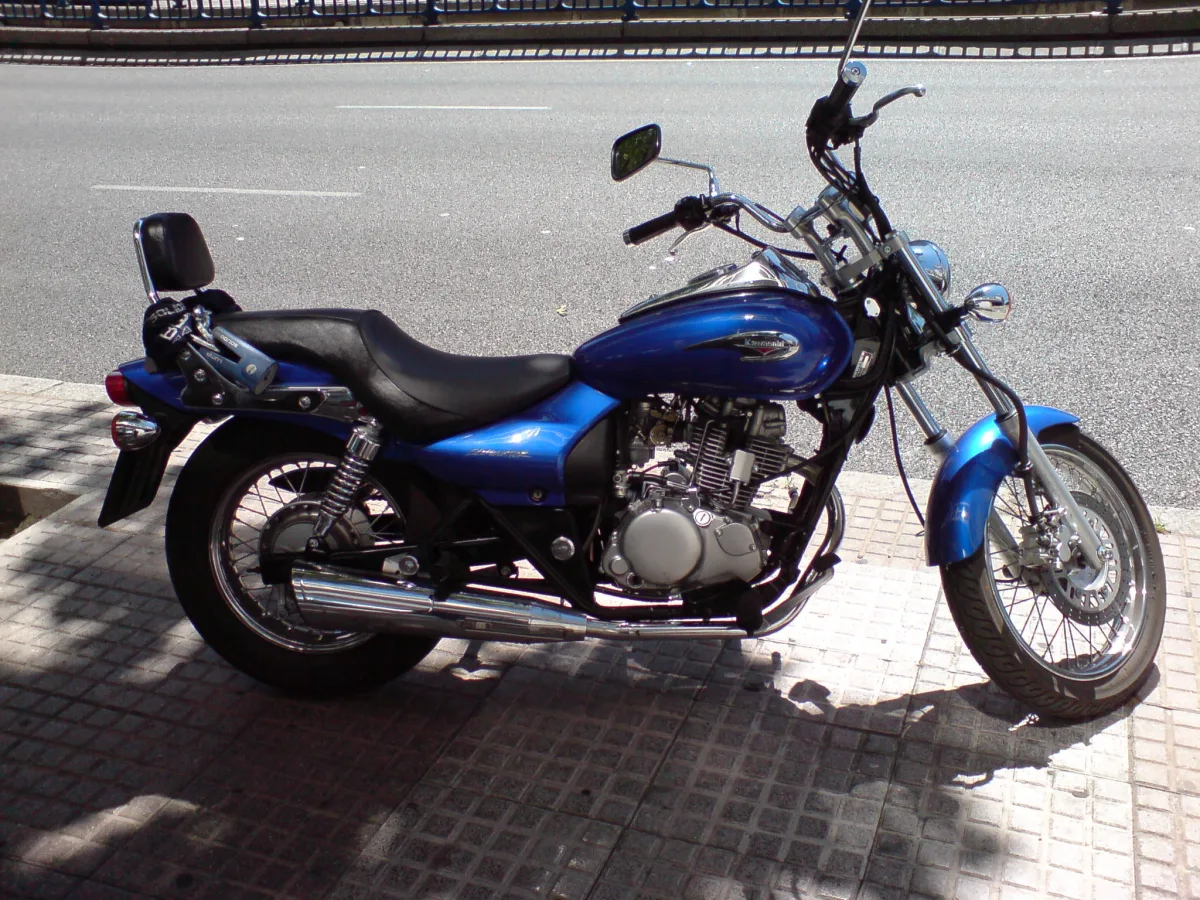
Kawasaki Eliminator: cruisers from ZL to the latest generation
Kawasaki Eliminator — the cruiser family that has appeared in several iterations since 1985. We look at the older ZL models, the smaller 125 cm³ variant, and the new Eliminator (from 2023).






Eliminator in brief
Under the Eliminator name, Kawasaki produced low-slung, rider-friendly cruisers. The first — the ZL900 and ZL1000 — debuted in 1985 and stood out as a sportier cruiser alternative.
Over time, the family evolved: the ZL600 arrived, the small Eliminator 125 for city riding, and in 2023, a new cruiser with a modern engine. There's plenty of choice, so it's crucial to know exactly which version you're after.
Generations — what sets them apart
The early ZL models (from the 1980s and 1990s) are big, with classic construction. These days, they're often sold as collectibles or restoration projects, so condition can vary greatly.
The Eliminator 125 was aimed at beginners and the A1 category. The new Eliminator (from 2023) has a roughly 450 cm³ parallel-twin engine and is the most modern, often suiting the A2 category.
Engines and gearboxes
ZL series motorcycles feature four-cylinder inline engines. Their equipment and fuel systems vary by model and year, so evaluate each example individually.
The new Eliminator uses a 451 cm³ parallel-twin engine (around 45 hp), a six-speed gearbox, and modern fuel injection. It's lightweight (around 176 kg) with a low seat height (around 735 mm).
What to check when buying a used Eliminator
In older ZL models, check the frame, especially the subframe, exhaust system, and fuel tank. Check the fuel system, electrical installation, and battery—these often cause issues in older motorcycles.
Check the chain, brakes, lighting, and whether the engine overheats on the Eliminator 125. These motorcycles were often used for training, so look for signs of drops.
The new Eliminator is young, so the most important thing is the service history, mileage, and whether there have been any accidents. Ask about the warranty and extras.


Versions
Names and equipment vary by market and year; we list the versions most commonly found in Europe.
ZL900 / ZL1000
From 1985The first, largest versions.
- A large four-cylinder engine
- Low seating position
- Often collector's items
ZL600
From 1986The mid-range version.
- Lower weight than the ZL900/ZL1000
- Comfortable riding position
- Easier to run
Eliminator 125
various yearsA compact cruiser for the city.
- Suitable for Category A1
- Lightweight
- Economical to run
Eliminator (451 cm³)
from 2023The latest generation.
- Approximately 45 hp in-line four-cylinder engine
- Six-speed gearbox
- Low seat height
Generation comparison
| ZL (senieji) | Eliminator 125 | Eliminator (nuo 2023) | |
|---|---|---|---|
| Who it's for | For collectors | For beginners | For enthusiasts of modern cruisers |
| Engine | Four-cylinder | 125 cm³ single-cylinder | 451 cm³, around 45 hp |
| Category | A | A1 | Often A2 |
| Price in the used market (relatively) | € | € | €€€ |
The modern Eliminator is for those who want a contemporary cruiser, while the older ZLs are for collectors. The 125 cm³ is ideal for beginners.
Pros
- Low and comfortable riding position
- Different versions — from small to mid-size
- The new model — light and modern
- Great cruiser aesthetics
Cons
- Older models require a lot of attention
- Less availability than more popular models
- The Eliminator 125 is relatively rare
Frequently asked questions
Is the Eliminator suitable for beginners?
Yes, especially the Eliminator 125 and the new Eliminator with its low seat and light weight.
Is the new Eliminator suitable for an A2 licence?
Power of around 45 hp allows registration under A2 in most cases, but check the exact compliance in the documents.
Is it worth buying an old ZL?
If you love a rare classic and are prepared for restoration, then yes, but expect additional costs.
Updated 2026-10-21 · Trim levels and equipment vary by market and model year — check the equipment of the specific car. · Translated automatically


