 English
 Lietuvių
 Latviešu
 Eesti
 Polski
 Русский
 Українська
 Deutsch
 Nederlands
 Čeština
 Slovenčina
 Svenska
 Norsk
 Dansk
 Suomi


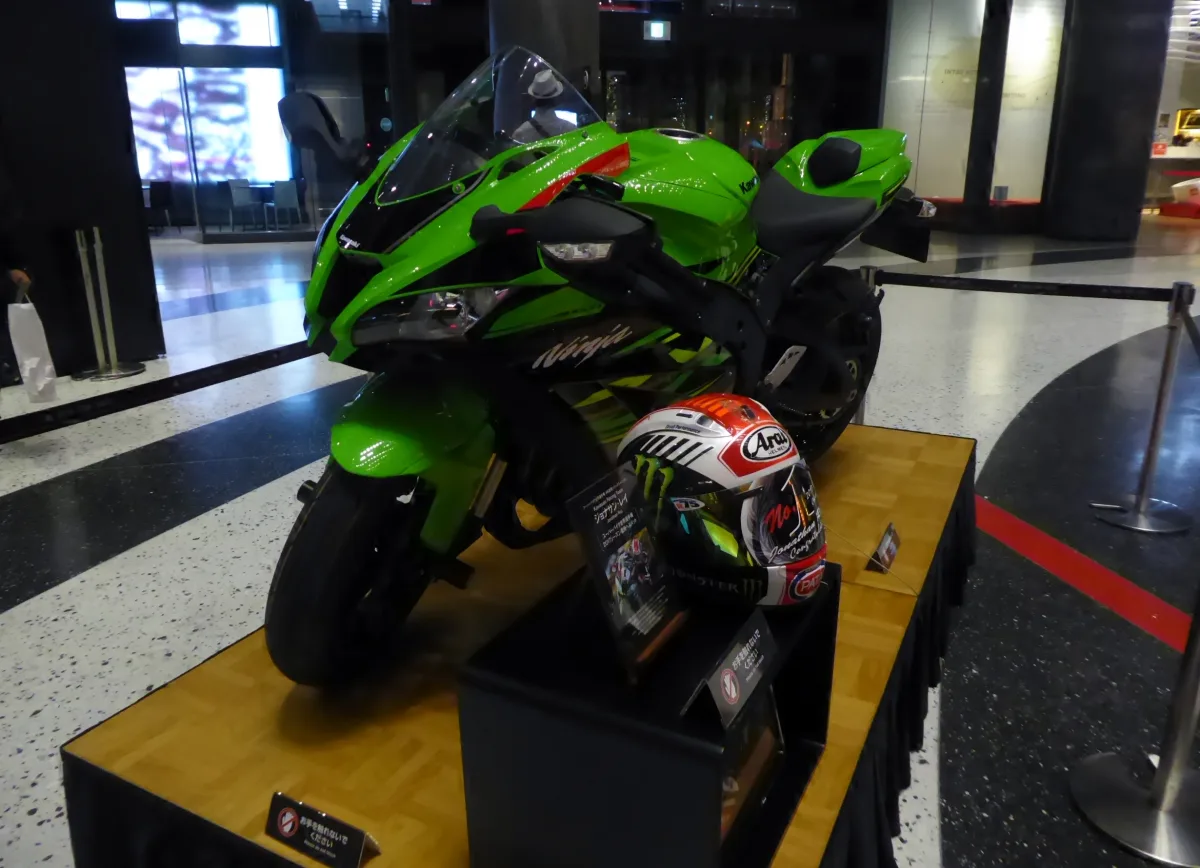
Kawasaki Ninja ZX-10R: generations of the sports bike since 2004, and what to check
Kawasaki Ninja ZX-10R — a litre-class sports bike since 2004, geared towards racing. We look at the generations, the tech, and what to check when buying used.






ZX-10R in brief
The ZX-10R debuted in 2004 as a litre-class racing-oriented motorcycle, suitable for the road. It's renowned for its power, precise handling, and sporting ambitions, with later generations used in the World Superbike Championship.
There's a wide range of used options, but many have been track-dayed or ridden hard, so condition and history are key.
Generations — what's the difference
Early generations (2004–2007) have simpler equipment and are the most affordable. The 2008 and 2011 updates improved the chassis and electronics, with the 2011 version gaining traction control.
From 2016, a new generation (ZX-10R and ZX-10RR) arrived with a modern engine and electronics, and the 2021 update was tailored to new emissions standards and aerodynamics.
Engine and gearbox
The engine is a 998 cm³ four-cylinder, liquid-cooled; power ranges from around 170–180 hp in the earliest generations to around 200 hp in the latest.
The gearbox is a 6-speed manual, often with quickshifter; drive to the rear wheel is via chain. Later versions come with ABS and extensive electronic rider aids.
What to check when buying a used ZX-10R
Sport bikes are often track-used, so look for signs of crashes: scuffed bodywork, scratches, footpegs, and exhaust pipes. Check the frame for deformation.
The engine should start easily and run smoothly. Check the chain, sprockets, brake discs and pads, fork seals, and cooling system.
Ask for the service history and check if the bike has been modified.


Trim levels
Names and equipment vary by market and year; we list the versions most commonly found in Europe.
ZX-10R
2004–2007Early generations.
- Basic technology
- Often without ABS
- Most affordable options
ZX-10R
2008–2015Updated generations.
- Improved handling
- Often — traction control in later versions
- Often — ABS
ZX-10R
2016–2020New generations with a modern engine.
- About the 200 AG
- Modern electronics
- Often comes with ABS
ZX-10RR
2016+Top-of-the-range version.
- Race-inspired details
- Limited edition
- High price
Comparison with the ZX-10R
| 2004–2007 | 2008–2015 | 2016+ | |
|---|---|---|---|
| Who it's for | Budget-friendly | Balanced choice | For newer technology |
| Engine | 998 cc | 998 cc | 998 cc |
| Price in the used market (relatively) | € | €€ | €€€ |
Many buyers opt for the 2011–2015 ZX-10R due to its features and price. Newer versions are worth considering if electronics are important.
Pros
- A powerful and lively engine
- Precise handling
- Racing pedigree
- Many parts and accessories
Cons
- The sporty stance can be tiring
- There are plenty of track-used motorcycles on the used market
- Not for beginners
Frequently asked questions
Is the ZX-10R suitable for a beginner?
No. It's a litre-class sports bike, so it's not recommended for beginners.
What's the difference between the ZX-10R and ZX-10RR?
The RR is the top-tier, racing version with additional features. The ZX-10R is the standard road-going version.
Is the ZX-10R suitable for daily use?
It might be, but the sporty stance and stiffness require some getting used to.
Updated 2026-10-21 · Trim levels and equipment vary by market and model year — check the equipment of the specific car. · Translated automatically


