 English
 Lietuvių
 Latviešu
 Eesti
 Polski
 Русский
 Українська
 Deutsch
 Nederlands
 Čeština
 Slovenčina
 Svenska
 Norsk
 Dansk
 Suomi


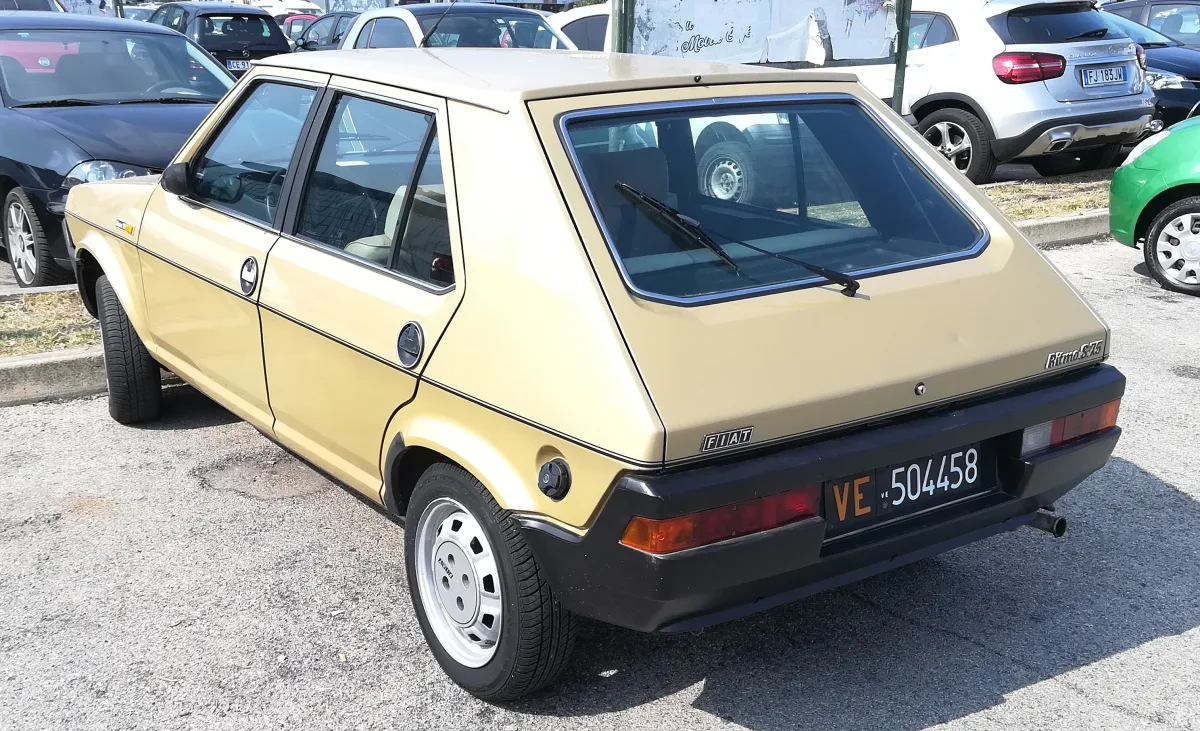
Fiat Ritmo: two generations, engines, and what to check
Fiat Ritmo — a compact hatchback produced from 1978 to 1988, replacing the Fiat 128 and known as the Fiat Strada in some markets. We look at two generations, engines, sporty Abarth versions, and what buyers should check.






Ritmo in brief
The Fiat Ritmo debuted in 1978 with a distinctive, rounded design featuring plastic bumpers. It was offered in 3- and 5-door hatchback bodies, with a Bertone-designed convertible following later.
The Ritmo features front-wheel drive and was praised for its spacious interior and easy handling. Today, it's a rare retro car, with condition dictating its price.
Two generations — what's the difference?
The first generation (1978–1982) stands out with its unique styling and simpler equipment. In 1982, the model was refreshed with a revised front end, improved interior, and slightly modernized technology.
The second generation is considered better built and more comfortable, but the first generation's design is more recognizable. Many choose based on looks and condition, not just the year.
Engines and transmissions
Ritmo engines are petrol, ranging from about 1.1 to 1.6 litres (and sportier ones up to around 2.0 litres), with diesel versions also available. Model names often indicate power, e.g., Ritmo 60, 75, or 85.
The transmission is a 4- or 5-speed manual, with some versions offering an automatic. Sporty versions (Abarth) come with more powerful engines but are very rare.
What to check when buying a used Ritmo
The key thing to look out for is body corrosion: sills, arches, floors, and door bottoms. The bodywork is quite sensitive to rust, so opt for the best-preserved examples.
Check the engine oil leaks, the timing belt, and the electrical equipment. Inspect the interior: plastics and upholstery will show signs of age. Consult with a mechanic about spare parts.


Trim levels
Names and equipment vary by market and year; we list the most commonly found trim levels in Europe.
Ritmo 60 / 65
1978–1988Base versions with the smallest engines.
- Small petrol engine
- Front-wheel drive
- Often — 4-speed manual gearbox
Ritmo 75 / 85
1978–1988More powerful versions with 1.3–1.5-litre engines.
- 1.3–1.5-litre petrol engine
- Front-wheel drive
- Often — 5-speed manual gearbox
Ritmo Abarth
In the 1980sA sportier version with a more powerful engine.
- More powerful petrol engine
- Sportier suspension
- Very limited supply
Ritmo Cabrio
1981–1988 model yearsOpen Bertone-designed convertible.
- Open body style
- Petrol engine
- Front-wheel drive
Comparing Ritmo variants
| 60 / 65 | 75 / 85 | Abarth | Cabrio | |
|---|---|---|---|---|
| Who it's for | For the everyday, budget-conscious driver | For most buyers | For enthusiasts of sporty driving | For collectors |
| Engine | Small petrol engines | 1.3–1.5-litre petrol | Powerful petrol | Petrol |
| Body | Hatchback | Hatchback | Hatchback | Convertible |
| Price in the used market (relatively) | € | € | €€ | €€ |
Most buyers will be happy with a well-maintained Ritmo 75 or 85. The Abarth and Cabrio are for collectors.
Pros
- Distinctive retro design
- Practical hatchback body
- Simple construction
- Open-top Cabrio — a rare and interesting choice
Cons
- Body corrosion in older cars
- Limited supply in Lithuania
- Modest power and basic trim
Frequently asked questions
Is the Ritmo the same as the Strada?
Yes, in some markets the Fiat Ritmo was sold as the Strada.
Does the Ritmo have a convertible version?
Yes, there was a Bertone-designed Ritmo Cabrio.
What do the numbers in the Ritmo name mean?
Often the number indicates the approximate engine power — for example, Ritmo 75 or Ritmo 85.
Updated 2026-10-19 · Trim levels and equipment vary by market and model year — check the equipment of the specific car. · Translated automatically


