 English
 Lietuvių
 Latviešu
 Eesti
 Polski
 Русский
 Українська
 Deutsch
 Nederlands
 Čeština
 Slovenčina
 Svenska
 Norsk
 Dansk
 Suomi


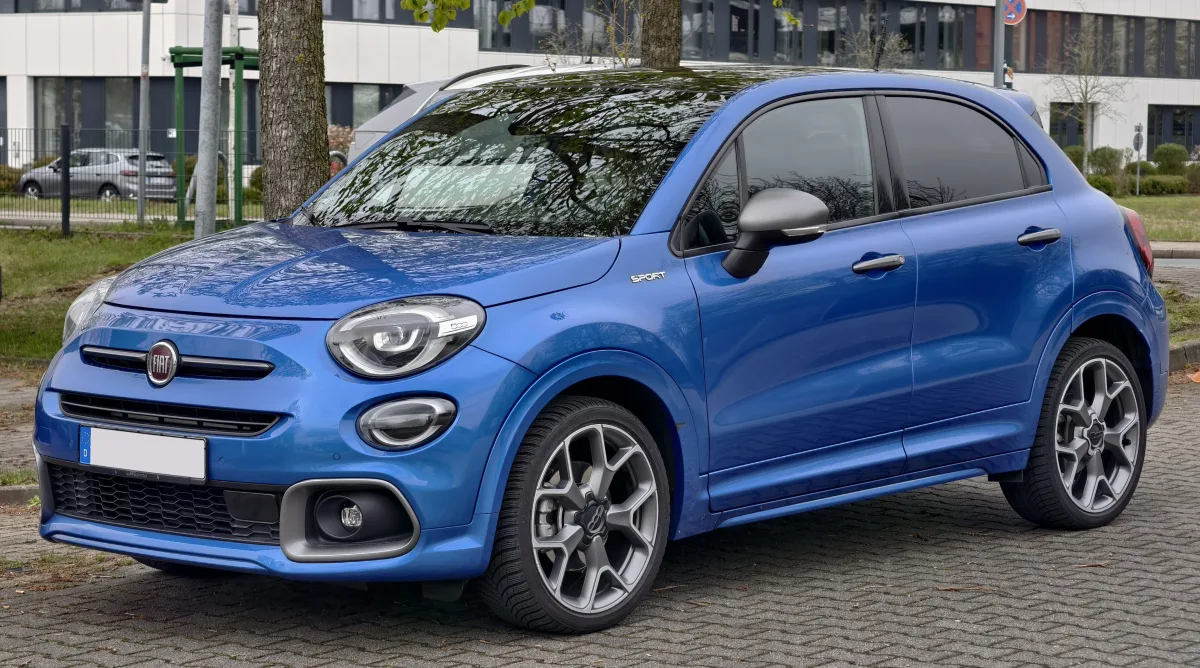
Fiat 500X: updates, engines and trims
The Fiat 500X is a compact SUV with the style of the Fiat 500, introduced in 2014. We look at how early models differ from the 2018 refresh, which engines are most popular, how trims vary, and what to check when buying used.






500X in brief
The 500X has one platform that was updated several times during its production run. It's technically related to the Jeep Renegade: both cars are built on the same platform and manufactured in the same Italian factory. Most 500X models have front-wheel drive, while some more powerful versions offer all-wheel drive.
The model is praised for its distinctive look, higher seating position, and city-friendly practicality. The interior is comfortable for front passengers, but the boot — around 350 litres — and rear space are average, making it more suited to couples or small families.
Updates — what's different
2014–2018 models are the cheapest way to get a 500X. Their styling and interiors were already distinctive, but the infotainment system was simpler, and the engine choices included older, well-known E-torQ, MultiAir and MultiJet units.
The 2018 refreshed 500X gained LED headlights (on most versions), an updated interior, and new-generation FireFly turbocharged petrol engines. This is the most popular used version — more modern, yet still significantly cheaper than the latest models.
Later, from around 2022, a mild hybrid with an automatic gearbox was offered, as well as a version with a retractable fabric roof (Dolcevita). There are fewer of these cars on the market, but they are the newest and often come with more features.
Engines and gearboxes
Up until 2018, the most common engines were the 1.6 E-torQ (around 110 HP) and 1.4 MultiAir turbo (around 140 HP) petrol engines, as well as the 1.6 MultiJet (around 120 HP) and 2.0 MultiJet diesel engines. Post-facelift, the lineup is anchored by the 1.0 FireFly (around 120 HP) and 1.3 FireFly (around 150 HP) turbocharged petrol engines, along with the 1.6 MultiJet diesel.
Gearboxes come in manual, dual-clutch automatics (DCT), or, with all-wheel drive, 9-speed conventional automatics. From 2022, the 1.5 mild hybrid is paired with a 7-speed dual-clutch gearbox.
For most buyers, the 1.0 or 1.3 FireFly petrol engines are the sweet spot. Diesel makes sense only if you're doing a lot of out-of-town driving, while the 1.6 E-torQ is simple but slow and not particularly economical.
What to check when buying a used 500X
1.4 MultiAir engines are sensitive to oil quality and change intervals, and failures in the MultiAir valve control block can be expensive — check the service history and listen for any rough running. For diesel cars, inspect the diesel particulate filter (DPF) and EGR system.
During the test drive, pay attention to the automatic transmission: the DCT should not hesitate when pulling away, and the 9-speed automatic should not jerk when shifting. Check the electronics too: the multimedia screen, parking sensors, and central locking.
As with other city cars, inspect the bumpers and wheels for dents, and check the interior according to the service and maintenance records.


Trim levels
Names and equipment vary by market and year; we list the most commonly found trim levels in Europe.
Pop / Pop Star
2014–2018Simpler trim levels from the earlier years.
- Often 16-inch wheels
- Simpler multimedia system
- Often includes air conditioning and cruise control
Lounge
2014–2018A more comfortable version with more chrome details.
- Light-alloy wheels
- Often includes automatic climate control
- Often includes navigation and parking sensors
Cross / City Cross
Cross — all years, City Cross — from 2018All-wheel-drive style versions with protective body details.
- Alternative bumpers with protective plates
- Often — roof rails
- Often — larger alloy wheels
Urban
Post-2018 faceliftCity-focused version with simpler exterior styling.
- Body-coloured bumpers
- Light-alloy wheels
- Often — LED headlights
Sport
Post-2018 faceliftSporty-looking version without a sporty engine.
- Sporty bumpers and larger alloy wheels
- Sportier-tuned suspension
- Often — LED headlights and tinted rear windows
Comparison of the refreshed 500X trims
| Urban | City Cross | Cross | Sport | |
|---|---|---|---|---|
| Who it's for | For the city and a smaller budget | For the city with a rugged look | Families, rougher roads | Sporty looks |
| Wheels (usually) | 16–17 inch | 17 inch | 17–18 inch | 18–19 inch |
| Styling | Body-coloured bumpers | Body protection details | Protection details, roof rails | Sporty bumpers |
| Price in the used market (relatively) | € | €€ | €€ | €€ |
For most buyers, the best choice is a City Cross or Cross built after the 2018 refresh with a 1.0 or 1.3 FireFly engine. Earlier models are cheaper, but it's crucial to have a clear service history with them.
Pros
- Distinctive, easily recognisable styling
- Comfortable in the city, with a higher driving position
- Often cheaper than rivals in the used market
- Versions available with four-wheel drive
Cons
- Small boot and average space in the back
- MultiAir engines are fussy about maintenance
- Earlier models have simpler infotainment and cabin materials
Frequently asked questions
How does the Fiat 500X differ from the Jeep Renegade?
Both cars are built on the same platform and share many engines. The 500X is geared towards city driving and style, while the Renegade has a boxier body and is more often found with four-wheel drive.
Which year of the 500X is best to buy used?
For many buyers, the best choice is a model made after the 2018 facelift with the FireFly petrol engine: it's more modern and often comes with LED headlights and newer infotainment.
Is the Fiat 500X suitable for a family?
For a small family, yes, especially for city driving. If you need more boot space or rear seat room, consider a larger compact SUV.
Updated 2026-10-09 · Trim levels and equipment vary by market and model year — check the equipment of the specific car. · Translated automatically


