 English
 Lietuvių
 Latviešu
 Eesti
 Polski
 Русский
 Українська
 Deutsch
 Nederlands
 Čeština
 Slovenčina
 Svenska
 Norsk
 Dansk
 Suomi


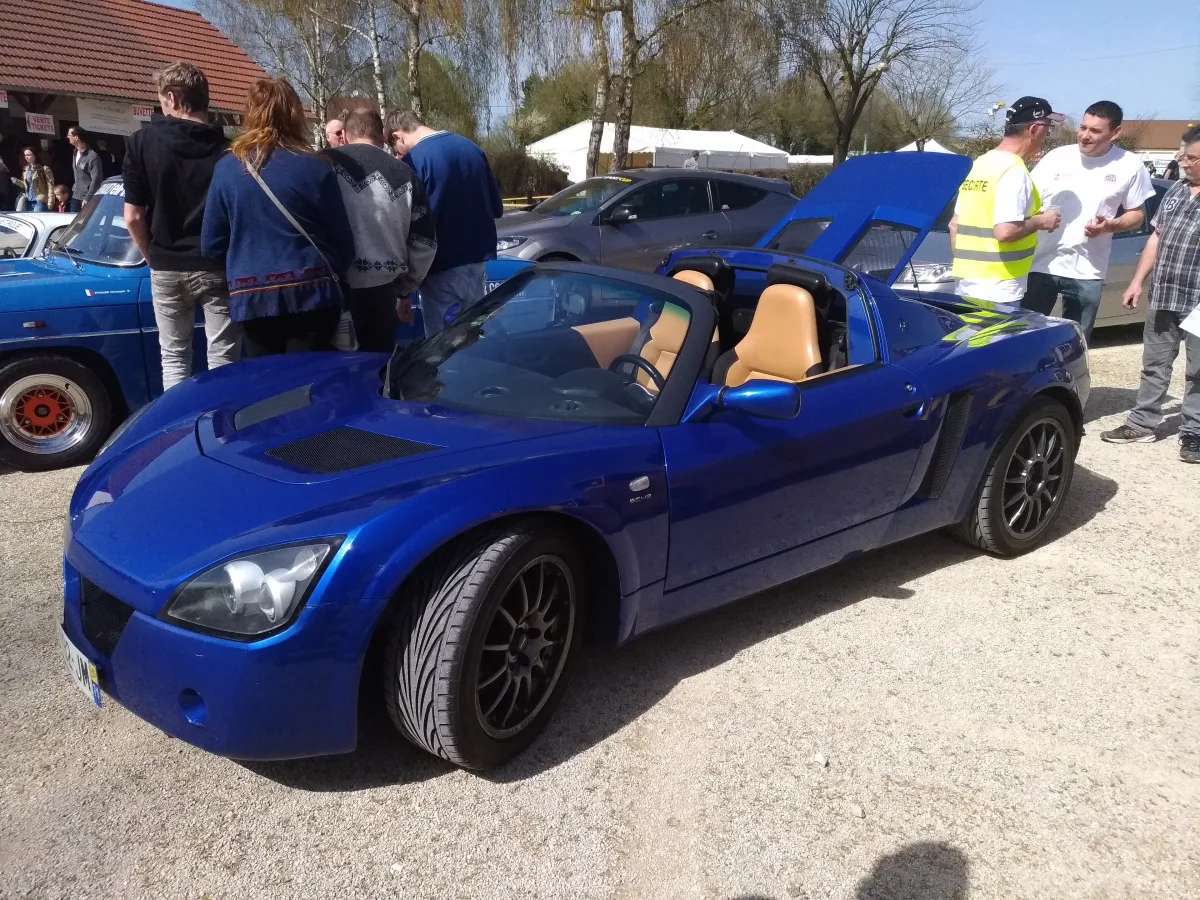
Opel Speedster: A two-seater sports car built on a Lotus chassis
Opel Speedster (2000–2005) — a lightweight two-seater roadster, co-developed with Lotus and based on Elise technology. In this article, we review its variants, engines, features, and what to check when buying this rare car.






Speedster in brief
The Speedster is a joint project between Opel and Lotus: the car is based on the Lotus Elise chassis and is manufactured at the Lotus factory in Hethel, England. In the UK market, it is sold as the Vauxhall VX220.
It's a small, lightweight, and highly responsive car. The engine is mounted behind the driver, powering the rear wheels, and the body is made from a glued aluminium chassis and lightweight plastic panels.
Variants — what sets them apart
The base version comes with a 2.2-litre naturally aspirated engine (around 147 hp). This already allows for sporty performance, as the car weighs just over a tonne.
From 2003, the Turbo version is offered with a 2.0-litre turbo engine (around 200 hp) and a more aggressive stance. Less common are special variants and cars with an optional hard top.
Engines and gearbox
Both engines belong to the Opel (GM) Ecotec family, so spare parts and diagnostic availability are better than for Lotus engines. The gearbox is a 5-speed manual.
There's no power steering, so the car feels very direct, but more effort is needed when parking. The roof is a lightweight fabric, removable by hand.
What to check when buying a used Speedster
Always check if the car hasn't been in an accident or heavily used on the track: aluminium chassis repairs are specialist jobs and costly. Inspect the suspension mounts, body joints and signs of corrosion.
For the engine, check the service history, condition of the gearbox and cooling system. See if the roof is watertight, if the door locks work and if there's no moisture in the cabin.


Trim levels
The Speedster was produced in small numbers, so it's categorised not by numerous trim levels, but by the engine and optional extras.
2.2 (147 AG)
2000–2005The base version with a naturally aspirated engine.
- A lightweight, roughly one-tonne body
- 5-speed manual gearbox
- Often — without air conditioning
Turbo (apie 200 AG)
From 2003The more powerful version with a turbo engine.
- 2.0-litre turbo engine
- A sportier chassis
- Often — with special wheels
Su kietu stogu
2000–2005Variants with an optional hard top or heated seats.
- Hardtop — less noise
- Often — better protection from moisture
- Less common choice
Comparing variants
| 2.2 | Turbo | |
|---|---|---|
| Who it suits | Weekend fun | Dynamic driving |
| Engine | 2.2-litre, around 147hp | 2.0-litre turbo, around 200hp |
| Gearbox | Manual 5-speed | Manual 5-speed |
| Everyday use | Limited practicality | Limited practicality |
| Price in the used market (relatively) | €€ | €€€ |
For buyers valuing simplicity and responsive handling, the 2.2 is more than adequate; the Turbo is for those who need a lot more dynamism.
Pros
- A very light, precisely controlled car
- Lotus-engineered technology
- The Opel/GM engine is easier to maintain than the Elise's
- A rare and distinctive model
Cons
- Impractical for daily use: small boot, tricky access
- No power steering
- Repairs after an accident can be costly
Frequently asked questions
Is the Speedster the same as the Elise?
Not quite. It uses the Elise's structural principles but has its own body and Opel/GM engine. Therefore, maintenance and parts differ.
Is the Speedster suitable for daily use?
Not really. It's low, noisier, and has limited boot space, so it often becomes a weekend or collector's car.
How does the Speedster differ from the VX220?
VX220 is the Vauxhall name for the British market. Technically, it's the same car with the steering wheel on the right.
Updated 2026-10-14 · Trim levels and equipment vary by market and model year — check the equipment of the specific car. · Translated automatically


