 English
 Lietuvių
 Latviešu
 Eesti
 Polski
 Русский
 Українська
 Deutsch
 Nederlands
 Čeština
 Slovenčina
 Svenska
 Norsk
 Dansk
 Suomi


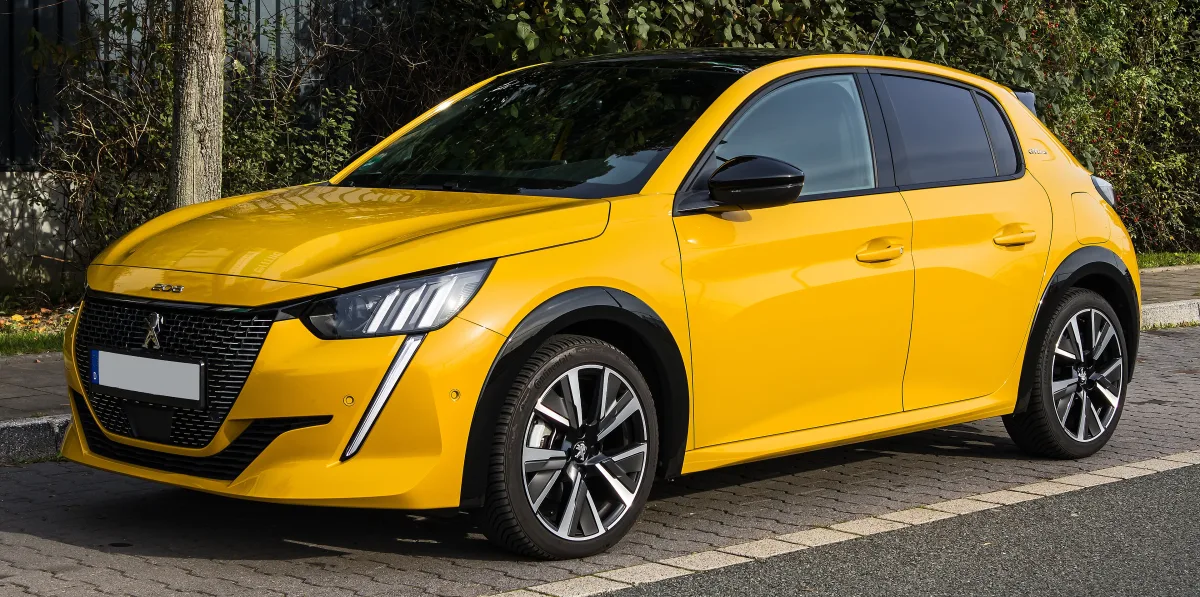
Peugeot 208: I and II generations, engines and trims
The Peugeot 208 is one of Europe's most popular small hatchbacks, often bought as a first or second family car in Lithuania. We look at how the I and II generations differ, which engines are most popular, how the trims vary, and what to check when buying used.






208 in brief
The 208 replaced the Peugeot 207 and has been produced in two generations: the I generation from 2012–2019, and the II generation from 2019 onwards. The I generation was available with a 3 or 5-door body, while the II generation comes only in 5-door. From the II generation, an electric version, the e-208, is also offered.
The 208 is praised for its excellent handling, low fuel consumption, and distinctive design. Both generations feature the i-Cockpit interior with a small steering wheel and high-mounted instrument cluster—some love it, others find the wheel obscures part of the instruments.
I and II generation — what's the difference
The I generation (2012–2019) was lighter and roomier than the 207. In 2015, refreshed models received newer PureTech and BlueHDi engines, the GT Line trim, and more equipment. The sportiest version is the 208 GTi with a 1.6 THP engine (around 200–208 hp).
The II generation (from 2019) is built on the CMP platform and stands out with its striking design, three-dimensional digital instrument cluster (3D i-Cockpit), more modern safety systems, and the electric e-208 version. In 2023, refreshed models received a new front end and larger screens.
In the used market, the I generation is significantly cheaper and suits a small budget, while the II generation is more modern, safer, and more comfortable on longer journeys.
Engines and Gearboxes
In the first generation, you'll most commonly find 1.0 and 1.2 naturally aspirated petrol engines (around 68–82 hp), the turbocharged 1.2 PureTech (110–130 hp), and 1.4 HDi and 1.6 HDi / BlueHDi diesels. Older models also had 1.4 and 1.6 VTi petrol engines.
In the second generation, the lineup is anchored by the 1.2 PureTech (75, 100, and 130 hp) and the 1.5 BlueHDi diesel. The electric e-208 initially came with around a 136 hp motor, later followed by a more powerful version with a larger battery. From 2024, a mild hybrid option is also offered.
Gearboxes come in manual (5 or 6-speed) or automatic. In the first generation, there was also a robotized ETG box, later replaced by the 6-speed automatic EAT6, while the second generation with more powerful petrol engines typically features the 8-speed EAT8.
What to check when buying a used 208
In the turbocharged 1.2 PureTech engine, the timing belt runs in oil and can wear out prematurely — ask if it's been replaced and if the engine isn't consuming too much oil. Stick to the oil change intervals religiously.
In BlueHDi diesels, check the AdBlue system and the particulate filter (DPF), especially if the car has mostly been driven in the city. The first-generation robotized ETG box should shift smoothly without harsh judders.
For the electric e-208, ask for a battery condition report. For all cars, check the service history and MOT records, and inspect the body for repainted parts, as city-driven cars often have stone chips.


Trim Levels
Names and equipment vary by market and year; we list the most commonly found trims in Europe.
Active
First and Second GenerationMost commonly found base trim with essential equipment.
- Air conditioning
- Often — touchscreen infotainment display
- Often — alloy wheels with covers
Allure
First and Second GenerationMost popular choice — more comfort and a better look.
- Lightweight alloy wheels
- Often — automatic climate control
- Often — parking sensors and rear-view camera
GT Line
First Generation post-facelift, Second GenerationSporty-looking version without a sporty engine.
- Sport bumpers and larger wheels
- Sport seats
- Often — full LED headlights
GT
Second generationTop-tier second-generation trim.
- Largest wheels and sporty styling
- Often — more driver-assistance features
- Often — ambient interior lighting
GTi
First generationFirst-gen sport model with a powerful turbo engine.
- 1.6 THP engine, around 200–208 hp
- Sport-tuned suspension and brakes
- Sport seats and unique trim
Second-gen trim comparison
| Active | Allure | GT Line | GT | |
|---|---|---|---|---|
| Who it's for | For a tighter budget | For daily driving | For a sporty look | For those who want more equipment |
| Wheel sizes (most common) | 15–16 inch | 16 inch | 17 inch | 17 inch |
| Interior | Simpler trim | Better trim | Sport seats | Sporty, more luxurious trim |
| Price in the used market (relatively) | € | €€ | €€ | €€€ |
For most buyers, the best choice is the Allure trim with the 1.2 PureTech 100 or 130 engine. The GT Line or GT is worth considering for style and features, while the e-208 is ideal if you mostly drive in the city.
Pros
- Good handling and comfortable in the city
- Low fuel consumption
- Striking design and modern second-generation interior
- There's an electric version, the e-208
Cons
- The 1.2 PureTech has risks with the timing belt and oil consumption
- Rear seats are spacious for taller passengers
- The small steering wheel and i-Cockpit aren't for every driver
Frequently asked questions
Which generation of Peugeot 208 is best to buy used?
If your budget allows, go for the second generation — it's safer, more modern, and more comfortable. The first-gen 208, post-2015 refresh, is better for a tighter budget, especially with a good service history.
Is the 1.2 PureTech engine reliable?
The turbocharged 1.2 PureTech's weak spot is the timing belt in the oil and increased oil consumption. The engine can last a long time with the timing belt replaced on schedule and the correct oil changed regularly, so service history is key.
What's the difference between the 208 and 2008?
The 2008 is a taller crossover with more boot space and a higher driving position, while the 208 is a smaller, lighter hatchback. The technology, engines, and trim levels are very similar across both models.
Updated 2026-10-09 · Trim levels and equipment vary by market and model year — check the equipment of the specific car. · Translated automatically


