 English
 Lietuvių
 Latviešu
 Eesti
 Polski
 Русский
 Українська
 Deutsch
 Nederlands
 Čeština
 Slovenčina
 Svenska
 Norsk
 Dansk
 Suomi


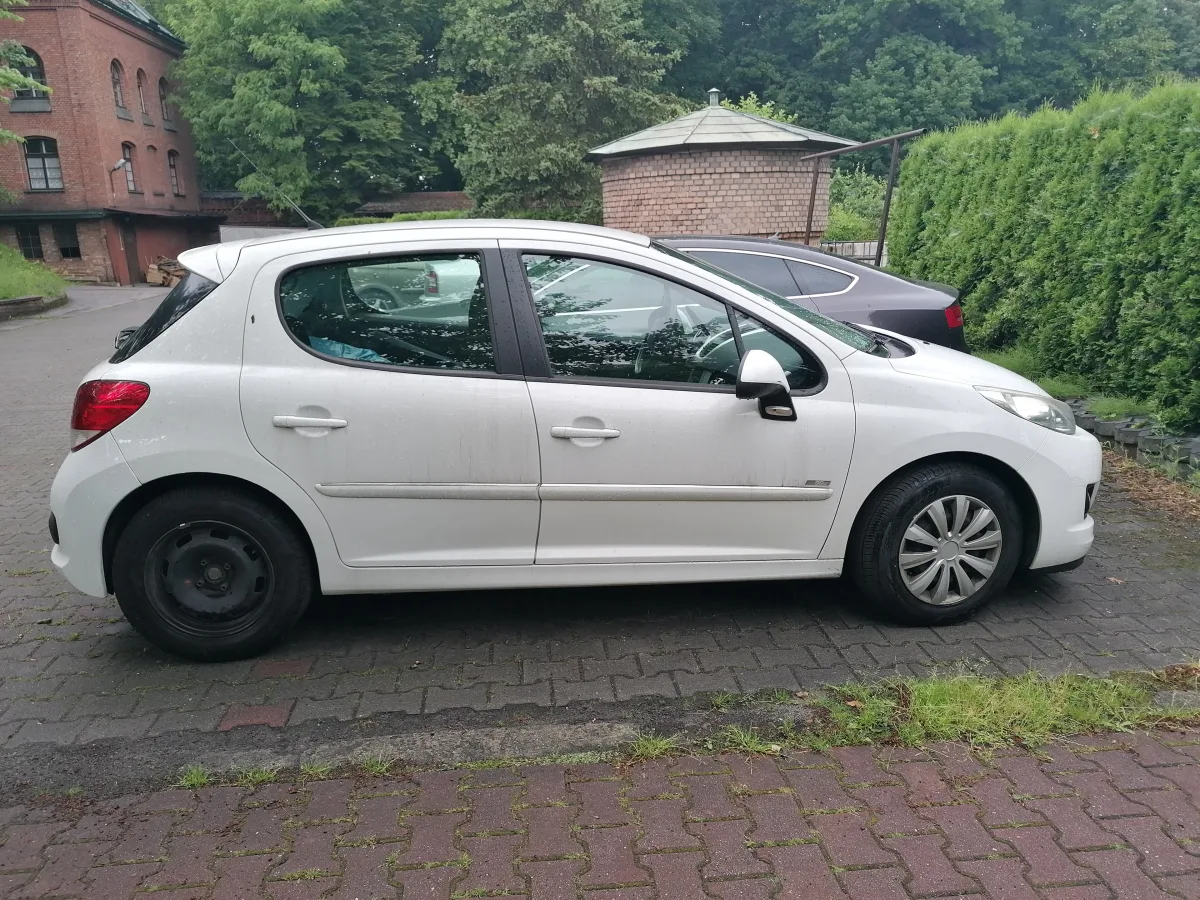
Peugeot 207: body styles, engines, and trims
The Peugeot 207 is a compact hatchback that replaced the 206 in 2006 and remained one of the most popular French cars in Europe until 2014. We look at the body styles, engines, trims, and what to check when buying a used 207.






207 in brief
The Peugeot 207 was produced in 3- and 5-door hatchback, SW estate, and CC folding hardtop convertible body styles. Compared to the 206, it grew in size, offering more space, better safety (achieving the highest safety rating in tests), and a more refined look.
On the used market, the 207 is valued for its compact size, comfortable ride, and wide range of engines. Prices are competitive due to high supply, and parts and specialists familiar with the model are readily available.
Which version to choose
You'll find two main periods: early 2006–2009 models and the facelifted versions from late 2009, which feature a revised front end and slightly improved equipment. The facelifted models often come with newer engine versions.
For families or those needing more space, the SW estate with its larger boot is ideal. The CC convertible is all about comfort, while the sporty GT and GTi are for driving enthusiasts, though they require more attention to maintenance.
Engines and gearboxes
The petrol range included 1.4-litre engines (including the 1.4 VTi), 1.6 VTi, and the turbocharged 1.6 THP, which was used in the sportier versions, including the GTi. Diesels came in 1.4 HDi and the popular 1.6 HDi, with power outputs varying by version.
Most 207s come with a 5-speed or 6-speed (for more powerful versions) manual gearbox. Automatic or semi-automatic transmissions are rarer and are only worth considering if there's a clear service history.
What to check when buying a used 207
The 1.6 VTi and THP petrol engines (co-developed with BMW) are known for timing chain tension and increased oil consumption — you shouldn't hear rattling when starting a cold engine, and it's worth checking the oil level yourself. In the 1.6 HDi diesels, it's important to check the turbo, the particulate filter (if fitted) and for any oil leaks.
On a test drive, listen for rear axle clunks and suspension rattles; check that all electric windows, air conditioning and central locking work. On a CC cabriolet, test the roof mechanism and check for moisture in the boot.


Trim levels
Names and equipment vary by market and year; we list the most common trim levels found in Europe.
Trendy
up to 2009The base, popular trim with standard equipment.
- Often — electric front windows and central locking
- Often — manual air conditioning
- Simpler alloy wheels with covers
Premium
up to 2009A more comfortable version with additional convenience features.
- Often — climate control and automatic headlights and rain sensors
- Often — lightweight alloy wheels
- More interior trim details
Active
from 2009Base trim of the refreshed model.
- Often — air conditioning
- Standard audio system
- Often — electrically adjustable mirrors
Allure
from 2009Comfort version of the refreshed model.
- Often — climate control and parking sensors
- Often — lightweight alloy wheels
- More chrome details
GT
early and refreshedSporty-looking version with more generous equipment.
- Often — larger alloy wheels
- Sportier seats and trim
- Often — more chrome and sporty accents
GTi
all periodsSporty version with turbo engine.
- Turbo petrol engine
- Sporty handling and larger wheels
- Sport seats and unique interior
Trim comparison
| Trendy / Active | Premium / Allure | GT | GTi | |
|---|---|---|---|---|
| Who it's for | Daily city driving | Comfort and long journeys | Sporty looks | Driving pleasure |
| Wheels (most often) | 15 inch, often with covers | 15–16 inch alloy | 16–17 inch | 17 inch |
| Climate control | Air conditioning | Often climate control | Climate control | Climate control |
| Engine (most common) | 1.4, 1.4 HDi | 1.4–1.6, 1.6 HDi | 1.6 VTi, 1.6 HDi | 1.6 THP |
| Price in the used market (relatively) | € | € | €€ | €€ |
Most buyers will be happy with the Premium or Allure trims with a 1.4 or 1.6 engine. The GT is worth considering for its looks, while the GTi is only if you need a sporty car and are prepared for meticulous maintenance.
Pros
- Compact dimensions, easy to park in the city
- Wide range of body styles and engines
- Large supply of parts and mechanics
- Rated highest in safety tests
Cons
- VTi and THP petrol engines are fussy about maintenance
- Minor electronic faults can occur
- Interior plastics can be noisy and scratchy
Frequently asked questions
Which 207 engine is the most reliable?
Simpler variants are usually cheaper to maintain: the 1.4 petrol and 1.6 HDi diesel. Turbo THP and VTi engines require more meticulous care, so opt for them only with a full service history.
Is it worth buying a 207 SW estate?
Yes, if you need more boot space. The SW costs a bit more than the hatchback, but it's virtually the same technically, with significantly better practicality in the cabin and boot.
What mileage should be considered normal?
Maintenance is more important than mileage. The 207 usually has 150–250,000 km on the clock, so check the service records, oil change history, and technical inspection data.
Updated 2026-10-17 · Trim levels and equipment vary by market and model year — check the equipment of the specific car. · Translated automatically


