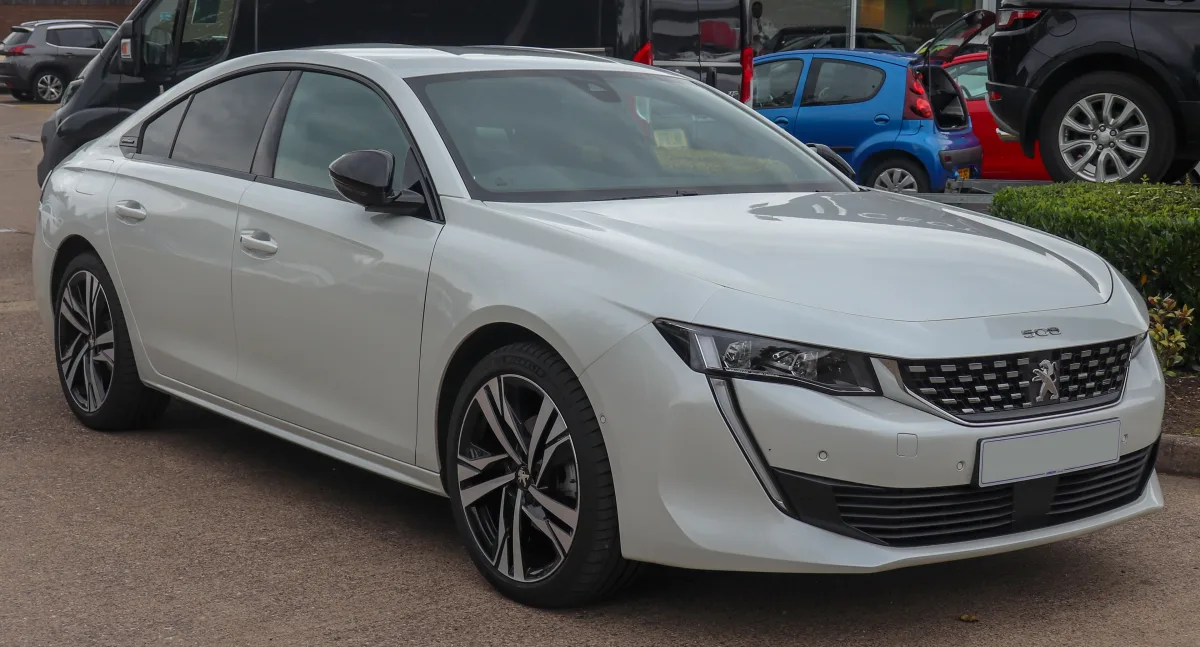
Peugeot 508: First and Second Generations, Engines and Trims
The Peugeot 508 is a mid-size Peugeot saloon, liftback and estate, produced since 2010. We look at how the First and Second Generations differ, which engines are most popular, how the trims vary and what to check when buying a used 508.
ADVERTISEMENT
508 in brief
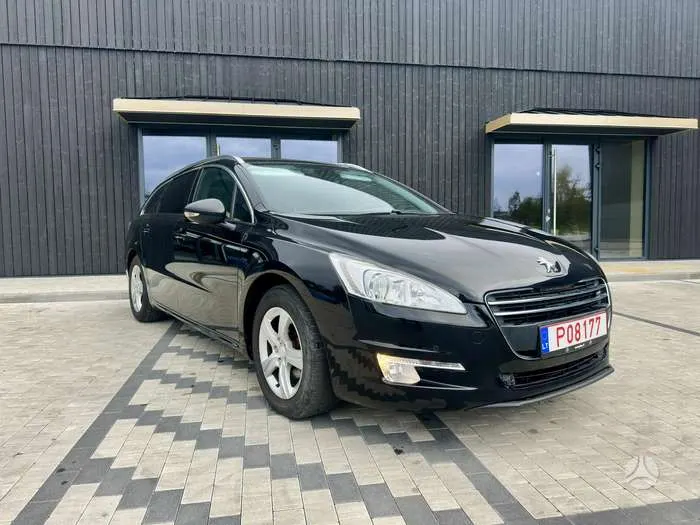
The 508 replaced the previous Peugeot 407 and 607 models. The first generation (2010–2018) was available as a saloon and estate (SW), as well as the raised RXH estate, most often with a hybrid four-wheel drive (Hybrid4).
The second generation (from 2018) became lower and sportier: instead of a saloon, a 5-door liftback with frameless doors was offered, and from 2019, an SW estate. This generation introduced plug-in hybrids and the sporty 508 PSE version.
The 508 is praised for its styling, stable highway driving and economical diesel engines. On the used market, it's often cheaper than a similarly aged Volkswagen Passat or Škoda Superb.
Which generation to choose
The First Generation (2010–2018) is spacious, comfortable and affordable. The 2014 facelift brought a new front end, improved equipment and more modern BlueHDi diesel engines, making these the most desirable of the first generation.
The Second Generation (from 2018) is more modern and safer: more driver assistance systems, a digital instrument cluster and the Peugeot i-Cockpit interior with a small steering wheel. However, there's less headroom in the rear than in the first generation, so taller passengers should try before they buy.
The 2023 facelift of the second generation brought a new front design and more modern multimedia. If space and comfort are paramount, opt for the SW estate — its boot is larger and more practical.
Engines and gearboxes
In the first generation, diesel engines are most commonly found: 1.6 HDi and e-HDi (around 110–115 hp), 2.0 HDi (around 140–163 hp), 2.2 HDi (around 204 hp, in GT guise), and after the facelift — 1.6 and 2.0 BlueHDi. Petrol engines include the 1.6 VTi and turbocharged 1.6 THP (around 156–165 hp).
The second generation is primarily powered by 1.5 BlueHDi (around 130 hp) and 2.0 BlueHDi (around 160–180 hp) diesels, along with 1.2 PureTech (around 130 hp) and 1.6 PureTech (around 180–225 hp) petrol engines. Plug-in hybrids include the Hybrid (around 225 hp), Hybrid4 with four-wheel drive (around 300 hp), and 508 PSE (around 360 hp).
In the first generation, the e-HDi is often paired with the robotised ETG6 (EGS6) gearbox, while more powerful engines come with a 6-speed automatic. Most second-generation cars feature an 8-speed automatic EAT8 gearbox, which operates smoothly.
What to check when buying a used 508
The timing belt for the 1.2 PureTech engine runs in oil: if it wears out, it can shred, and debris can clog the oil pump strainer. Ask when the belt was last changed and if the manufacturer-recommended oil was used. For 1.6 THP and PureTech engines, listen for any rattling from the timing chain when the cold engine is first started.
Check the diesel particulate filter (DPF) on diesel cars, and the AdBlue system on BlueHDi models: there should be no warnings about emissions system faults on the instrument panel. For the first-gen e-HDi with a robotised gearbox, try moving off from a standstill — a harsh judder could indicate a worn-out clutch.
For hybrids, ask for a battery condition report and check if charging is working. On the second iteration, ask if the infotainment software has been updated. Check the ride using service records and maintenance logs.
ADVERTISEMENT
Trim levels
Names and equipment vary by market and year; we list the most commonly found trims in Europe.
Active
First and second generations
The base trim, which already includes essential comfort features.
Light-alloy wheels, usually 16–17 inches
Often — automatic climate control
Often — parking sensors
Allure
First and second generations
The most popular choice — a good balance of price and equipment.
Larger wheels and more chrome details
Often — navigation and a rear-view camera
Often — more driver-assistance systems
GT Line
Second generation
A sporty-looking version without a sporty engine.
Sporty bumpers and larger wheels
Sportier interior trim
Often — LED headlights
GT
First and second generations
Top-tier trim, usually with the most powerful engines.
Largest wheels
Often — leather or Alcantara upholstery
Often — adaptive suspension and a host of driver-assistance features
PSE
Second generation
Sporty plug-in hybrid version.
Around 360 hp and all-wheel drive
Sport suspension and larger brakes
Distinctive exterior and interior styling
Comparison of second-generation trims
Active
Allure
GT Line
GT
Who it's for
Daily driving
Comfort and equipment
Sporty styling
For those seeking maximum power and equipment
Wheel sizes (most common)
16–17 inch
17–18 inch
18 inch
18–19 inch
Interior
Standard
More comfort features
Sporty trim
Sporty trim, often with leather or Alcantara
Engine
1.5 BlueHDi, 1.2 PureTech
1.5 and 2.0 BlueHDi, 1.6 PureTech, Hybrid
1.5 and 2.0 BlueHDi, 1.6 PureTech, Hybrid
The most powerful, often — 2.0 BlueHDi 180 or 1.6 PureTech 225
Price in the used market (relatively)
Budget-friendly
Mid-range
Mid-range
High-end
For most buyers, the best choice is Allure or GT Line with a 1.5 or 2.0 BlueHDi engine. The GT is worth considering if you want the most powerful engines and the most features.
Pros
Striking looks, especially the second generation
Stable and quiet on the motorway
Economical BlueHDi diesels
Often cheaper than competitors in the used market
Cons
Less headroom for rear passengers in the second generation
Maintenance concerns with the 1.2 PureTech timing belt and BlueHDi AdBlue system
Not everyone likes the small steering wheel and high-mounted controls
Frequently asked questions
Which 508 generation is best to buy used?
If your budget allows, go for the second generation — it's more modern, safer and usually comes with a smooth EAT8 automatic gearbox. If you're looking for a cheaper and more spacious car, a good option is the refreshed 2014–2018 first-generation 508 with a BlueHDi engine.
Is the Peugeot 508 SW suitable for a family?
Yes. The SW estate has a large boot, making it ideal for families and frequent travellers. Before buying a second-hand model, it's worth checking if there's enough legroom in the back, especially for taller passengers.
Which 508 engine is the best?
For most buyers, the 1.5 and 2.0 BlueHDi diesels are the most sensible choices: they're economical and well-suited to long journeys. If you mostly drive in the city and can charge the car at home, it's worth considering the plug-in hybrid.
What is Peugeot i-Cockpit?
It's Peugeot's cabin design: a small steering wheel and a higher dashboard that the driver sees over the wheel. Many people like it, but some drivers find it harder to get comfortable, so it's worth taking a test drive before buying.
Updated 2026-10-09 · Trim levels and equipment vary by market and model year — check the equipment of the specific car. · Translated automatically
Comments
No comments about the Peugeot 508 yet. Share your experience.
We use necessary cookies to run the website. With your consent, we will also use analytics and advertising measurement cookies — to understand how the website is used and to measure our advertising results. Learn more
 English
 Lietuvių
 Latviešu
 Eesti
 Polski
 Русский
 Українська
 Deutsch
 Nederlands
 Čeština
 Slovenčina
 Svenska
 Norsk
 Dansk
 Suomi


 4