 English
 Lietuvių
 Latviešu
 Eesti
 Polski
 Русский
 Українська
 Deutsch
 Nederlands
 Čeština
 Slovenčina
 Svenska
 Norsk
 Dansk
 Suomi
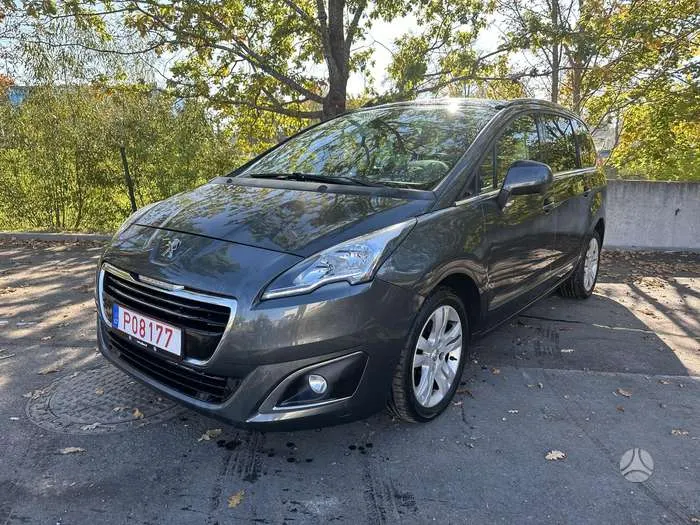 4
Peugeot 5008
2017234 000 kmDieselManual85 kWMPV
Peugeot 5008, 2017-02, vienatūris. Kuras: dyzelinas; pavarų dėžė: mechaninė; variklis: 1.6 l, 85 kW; rida: 234 000 km. Galima papildoma mokama garantija. Galimas automobilio prista…
€5,900
Peugeot 5008 II, produced 2017–2023. Listings and information.


 4
Peugeot 5008, 2017-02, vienatūris. Kuras: dyzelinas; pavarų dėžė: mechaninė; variklis: 1.6 l, 85 kW; rida: 234 000 km. Galima papildoma mokama garantija. Galimas automobilio prista…


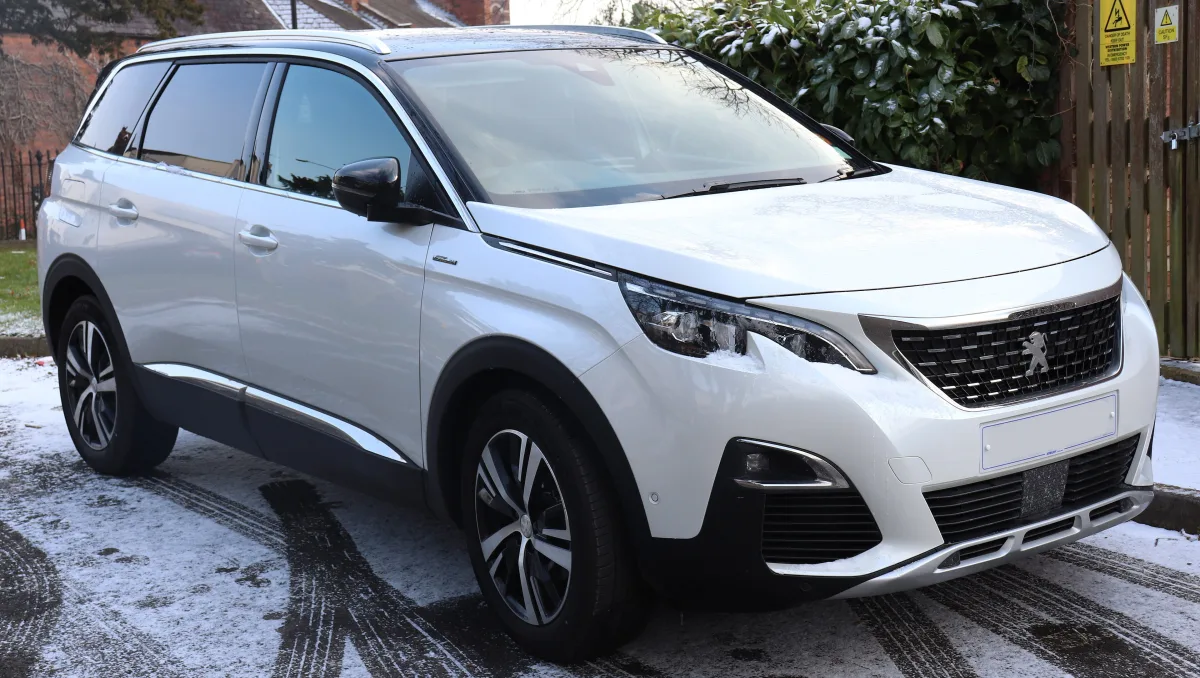
Peugeot 5008 — a spacious 7-seater family car, produced since 2009: the first generation was a hatchback, the second and latest — SUVs. We look at how the I and II generations differ, which engines are most popular, how the trims vary and what to check before buying.






The first-generation 5008 (2009–2016) was a hatchback with 5 or 7 seats. The second generation (from 2017) became a 7-seater SUV, much more stylish and modern. The third generation (from 2024) is offered with hybrid and electric engines (E-5008).
In the used market, the second generation is most commonly found. It is technically similar to the Peugeot 3008, but is longer, has a larger boot and a third row of seats.
The 5008 is ideal for families needing space, a large boot and comfortable seats, but not necessarily four-wheel drive.
The first generation (2009–2016) is a practical hatchback with a high roof and plenty of space inside. In 2013, refreshed models got a new front look and improved equipment. Today, it’s the cheapest way to get a 7-seater Peugeot, but most cars already have high mileage.
The second generation (from 2017) features the Peugeot i-Cockpit interior with a small steering wheel and digital instrument cluster. In the second row, there are three separate, forward-facing seats, and in the third row, two removable seats that can be completely taken out when more boot space is needed.
The 2020 second-generation model was refreshed: the front end was restyled and the equipment upgraded. The second-gen 5008 doesn't offer four-wheel drive — instead, it comes with the Advanced Grip Control traction system, which helps on slippery or muddy roads.
The second-gen model most commonly features the 1.5 BlueHDi (around 130 hp) and 2.0 BlueHDi (around 150–180 hp) diesels, with early examples also offering the 1.6 BlueHDi. Petrol engines include the 1.2 PureTech (around 130 hp) and 1.6 THP / PureTech (around 165–180 hp).
The first-gen model popularised the 1.6 HDi and e-HDi (around 110–115 hp) diesels, along with the 2.0 HDi (around 150–163 hp), later replaced by the BlueHDi. Petrol engines were the 1.6 VTi and turbocharged 1.6 THP (around 156 hp).
Transmissions come in manual or automatic. Early second-gen models had the 6-speed automatic EAT6, with later examples getting the 8-speed EAT8. The first-gen e-HDi often came with the robotised ETG6 (EGS6) box, which shifts more slowly.
The timing belt on the 1.2 PureTech engine runs in oil: if it's worn, it can squeal, and debris can clog the oil pump strainer. Ask when it was last changed and if the manufacturer-recommended oil was used. Remember, a fully-loaded seven-seater might struggle with the power of a 1.2-litre engine.
On diesel cars, check the diesel particulate filter (DPF), and on BlueHDi models, the AdBlue system: there shouldn't be any warnings about emissions system faults on the instrument panel. On 1.6 THP engines, listen for a rattling chain when the cold engine is first started.
Check if the car has both third-row seats — they can be removed, so they're sometimes sold separately or forgotten. Also, test the electronics: the infotainment system, parking camera, and electric tailgate if fitted.


Names and equipment vary by market and year; we list the trims most commonly found in Europe.
The base trim, which already includes essential comfort features.
The most popular choice for families.
A sporty-looking version without a sporty engine.
The top-tier second-generation trim, usually with the most powerful engines.
| Active | Allure | GT Line | GT | |
|---|---|---|---|---|
| Who it's for | For a tighter budget | For families and daily driving | Sporty styling | For those wanting the most equipment |
| Wheels (usually) | 17-inch | 18-inch | 18-inch | 19 col. |
| Interior | Base | More comfort equipment | Sporty trim | Top-tier trim |
| Engine | 1.2 PureTech, 1.5 BlueHDi | 1.2 PureTech, 1.5 and 2.0 BlueHDi | 1.2 and 1.6 PureTech, 1.5 and 2.0 BlueHDi | Most powerful, often the 2.0 BlueHDi 180 |
| Price in the used market (relatively) | € | €€ | €€ | €€€ |
For most families, the Allure with a 1.5 or 2.0 BlueHDi engine and automatic transmission is the best choice. The GT Line is worth considering for its looks, while the GT is the pick if you want maximum power and equipment.
For many buyers, the second generation is the best choice, especially those from 2018 onwards with the EAT8 automatic transmission or the refreshed 2020 version. The first generation is ideal for those seeking an affordable and spacious seven-seater MPV.
It is, but the third-row seats are mainly for children or short trips. With the third-row seats raised, the boot space is significantly reduced, and removing them turns the 5008 into a very spacious five-seater.
The second-generation 5008 and 3008 share similar technology, engines, and interiors, but the 5008 is longer, has a larger boot, and can seat seven. The 3008 is a more compact five-seater SUV.
The second-generation 5008 doesn't come with four-wheel drive. Some models feature the Advanced Grip Control system, which helps you get moving on snow or mud, but it's no substitute for a proper four-wheel drive.
Updated 2026-10-09 · Trim levels and equipment vary by market and model year — check the equipment of the specific car. · Translated automatically
No comments about the Peugeot 5008 yet. Share your experience.
Log in to comment


We use necessary cookies to run the website. With your consent, we will also use analytics and advertising measurement cookies — to understand how the website is used and to measure our advertising results. Learn more