 English
 Lietuvių
 Latviešu
 Eesti
 Polski
 Русский
 Українська
 Deutsch
 Nederlands
 Čeština
 Slovenčina
 Svenska
 Norsk
 Dansk
 Suomi


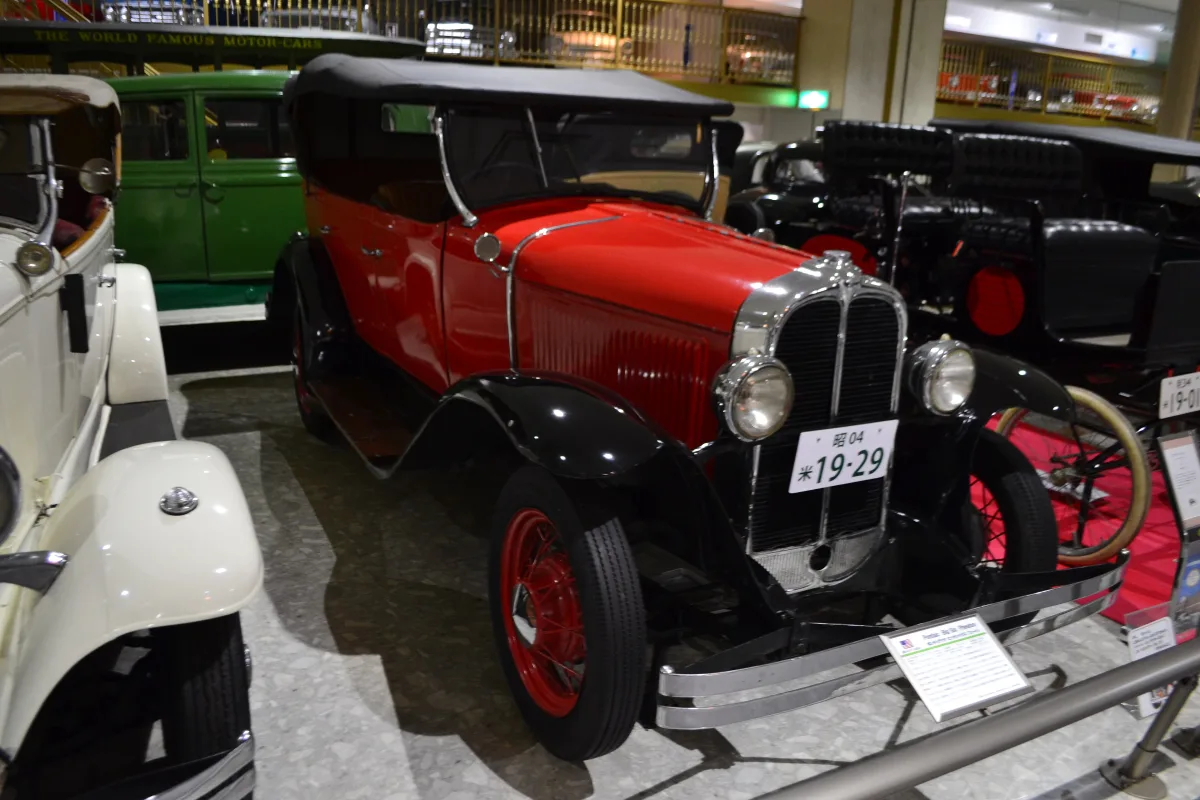
Pontiac Big Six (1929–1930): pre-war Pontiac with a larger engine
Pontiac Big Six — the 1929–1930 Pontiac 6 name, emphasizing the enlarged engine. We look at how it differed from previous years, its technology, and what collectors need to know.






Big Six in brief
The refreshed Pontiac 6 series 6-29, introduced in January 1929, was dubbed the New Big 6 — the name indicated that the engine displacement had been increased to 200 cubic inches (around 3.3 litres). Cars produced between August and October 1929 were badged as the 6-29A series.
In January 1930, the 6-30B series appeared, still called the Big 6. In 1931, it was replaced by the Fine 6 (series 401), so the Big Six era lasted just a couple of years.
How it differed from previous models
Compared to the 1928 model, the 1929 car's styling was influenced by the Vauxhall 20-60 design — Vauxhall was then part of GM. A vertical radiator grille, vertical slots in the bonnet, oval opera windows in closed saloons, and a combined gear and ignition lock appeared.
The 1930 version featured a sloping windscreen, a beltline moulding around the body, and external sun visors above the windscreen.
Engine and technology
The Pontiac Big Six was powered by an inline six-cylinder petrol engine with a displacement of around 200 cubic inches. This was a side-valve design, simple and straightforward.
Manual gearbox, controls and brakes are simple by today's standards. Check the exact power figures in the specific car's documents, as they vary by year.
What to check when buying such a car
The most important thing is the condition of the body and wooden frame: in pre-war bodies, wood can rot over time, and metal can rust. Check the wings, sills, and floor.
Check if the engine runs smoothly, if there are no leaks, and if the brakes and steering work. Parts need to be sourced through US Pontiac classic car clubs, so assess their availability in advance.


Trim levels
The Pontiac Big Six came in several body styles, so we'll describe the main series.
Serija 6-29
January 1929The first “Big 6” series with an enlarged 200 cubic inch engine.
- Vertical radiator grille
- Oval “opera” windows on closed sedans
- Combined gearshift and ignition lock
Serija 6-29A
August–October 1929A briefly produced late 1929 version.
- Some improvements, just like the 6-29
- Similar trim
- Six-cylinder engine
Serija 6-30B
1930 model yearThe final 'Big 6' series with improved glass and trim.
- Rear sloping windshield
- Moulding around the body line
- Exterior sun visors
Comparing Pontiac Big Six series
| 6-29 | 6-29A | 6-30B | |
|---|---|---|---|
| Who it's for | For collectors | For collectors | For collectors |
| Engine | Around 200 cubic inches | Around 200 cubic inches | Around 200 cubic inches |
| Usage | Events and shows | Events and shows | Events and shows |
| Price in the used market (relatively) | €€€ | €€€ | €€€ |
This is a collector's car, not a daily driver. Choose based on the year of the series, the condition of the body, and its originality.
Pros
- A larger six-cylinder engine than in previous series
- Distinctive pre-war American design
- Active club community in the USA
- Rare in Europe
Cons
- Very rare in Lithuania
- Parts need to be ordered from the USA
- Requires constant maintenance
Frequently asked questions
What does 'Big Six' mean?
This is the name of the Pontiac 6, emphasizing the enlarged engine — in 1929, its displacement grew to 200 cubic inches.
How does the Big Six differ from the earlier Pontiac?
It received a larger engine, a refreshed style based on the 'Vauxhall 20-60', and several exterior and interior improvements.
Where to find parts?
Mostly through USA classic Pontiac clubs and specialized parts stores. Before buying, check which parts will be needed for the specific car.
Updated 2026-10-21 · Trim levels and equipment vary by market and model year — check the equipment of the specific car. · Translated automatically


