 English
 Lietuvių
 Latviešu
 Eesti
 Polski
 Русский
 Українська
 Deutsch
 Nederlands
 Čeština
 Slovenčina
 Svenska
 Norsk
 Dansk
 Suomi


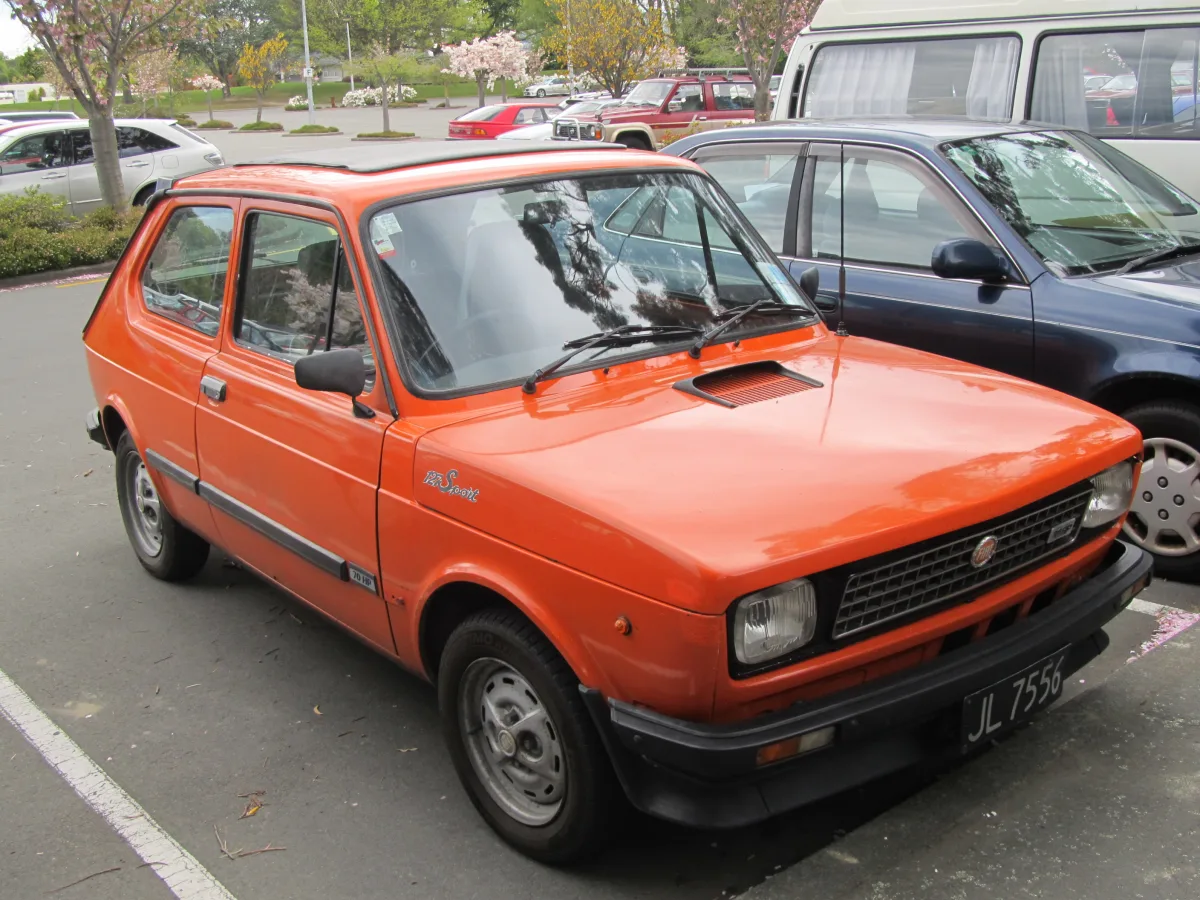
Fiat 127: generations, engines, and what to know before buying
The Fiat 127, introduced in 1971, is a small front-wheel-drive car that became one of Europe's most popular small cars and was named European Car of the Year in 1972. In this article, we look at its two series, engines, body styles, and what to check when buying this classic car.






Fiat 127 in brief
The Fiat 127 replaced the Fiat 850 and, like its larger sibling the Fiat 128, featured a transversely mounted engine and front-wheel drive. This layout allowed for a spacious interior in a very compact body, making the 127 a benchmark for modern small cars.
Production continued until the early 1980s, with several body styles available: a two-door saloon, later a three-door hatchback, and the Panorama estate. The model was also produced under license in other countries, so you might come across lookalikes that bear a striking resemblance.
Which series to choose
The first series (1971–1977) features a cleaner, simpler design with round headlights and chrome details. These cars are more prized by collectors, but there are fewer surviving examples.
The second series (from 1977) got a refreshed front end with plastic details, an improved interior, and often more powerful engines. With a wider range and easier parts availability, it's a more practical choice for those who want to drive more frequently.
Engines and gearboxes
Early cars had around a 0.9-litre four-cylinder engine, with later versions around 1.05–1.3 litres. The sporty 127 Sport had a more powerful engine and sporty trim. Engine power back then was modest — ranging from a few tens of horsepower.
The gearbox is manual, usually with four speeds. The design is simple, parts and knowledge about repairs can still be found in Europe, so minor repairs aren't difficult.
What to check when buying a used Fiat 127
The main enemy of this car is rust. Thoroughly inspect the sills, floor, wheel arches, door bottoms, front end under the bonnet, and boot floor. Poorly executed body repairs are common, so check for uneven panel gaps and colour mismatches.
Inspect the interior: worn seats and trim are rarely original. The engine should start easily, run smoothly, and not have significant oil leaks. Check if the car has proper documentation and if the chassis number matches the registration details.


Trim levels
Names and equipment vary by market and year; we list the most commonly found trims in Europe.
Pirmoji serija
1971–1977Early, simpler-styled 127 with round headlights.
- Often a lower-power engine
- Chrome details and a basic interior
- More collectible
Antroji serija
From 1977Updated front end and interior, wider engine choice.
- Plastic front trim
- Often — more powerful engines
- A slightly more comfortable interior
Sport
second seriesA sportier version with a more powerful engine.
- A more powerful engine than the standard version
- Sporty trim and decor
- Often — additional features and sporty seats
Panorama
all seriesEstate body type with a larger boot.
- More spacious boot compartment
- The same engines as the hatchback
- A more practical version for daily use
Comparison of Fiat 127 versions
| Pirmoji serija | Antroji serija | Sport | Panorama | |
|---|---|---|---|---|
| Who it's for | For collectors | For daily driving | For those who love sporty looks | For practical use |
| Body style | Sedan or hatchback | Hatchback | Hatchback | Estate |
| Engine | Around 0.9 litres | Around 0.9–1.3 litres | More powerful than others | Around 0.9–1.3 litres |
| Complexity of maintenance | Tricky | Average | Tricky | Tricky |
| Price in the used market (relatively) | €€ | € | €€ | € |
Many enthusiasts' top pick is a well-maintained second-generation model. If originality and history are paramount, seek out a first-generation example, but be prepared for patience and meticulous inspection.
Pros
- Simple, easy-to-understand construction
- Compact yet spacious interior for its class
- Economical and easy to drive
- Historical significance – European Car of the Year
Cons
- Susceptible to rust
- Low power and modest safety by today's standards
- Narrower selection of parts compared to more common models
Frequently asked questions
Why is the Fiat 127 important?
It's a small car with front-wheel drive and a transversely mounted engine, named European Car of the Year in 1972. This layout later became the standard for many small cars.
Is the Fiat 127 suitable for daily use?
A well-maintained example can be fine for short urban trips or summer use, but it falls short of modern cars in terms of safety and comfort. It's often purchased as a hobby car or a second vehicle.
What issue commonly needs fixing?
The most common issue is rust on the body and sills. You might also encounter worn-out suspension parts, electrical system faults, and oil leaks from older engines.
Updated 2026-10-19 · Trim levels and equipment vary by market and model year — check the equipment of the specific car. · Translated automatically


