 English
 Lietuvių
 Latviešu
 Eesti
 Polski
 Русский
 Українська
 Deutsch
 Nederlands
 Čeština
 Slovenčina
 Svenska
 Norsk
 Dansk
 Suomi


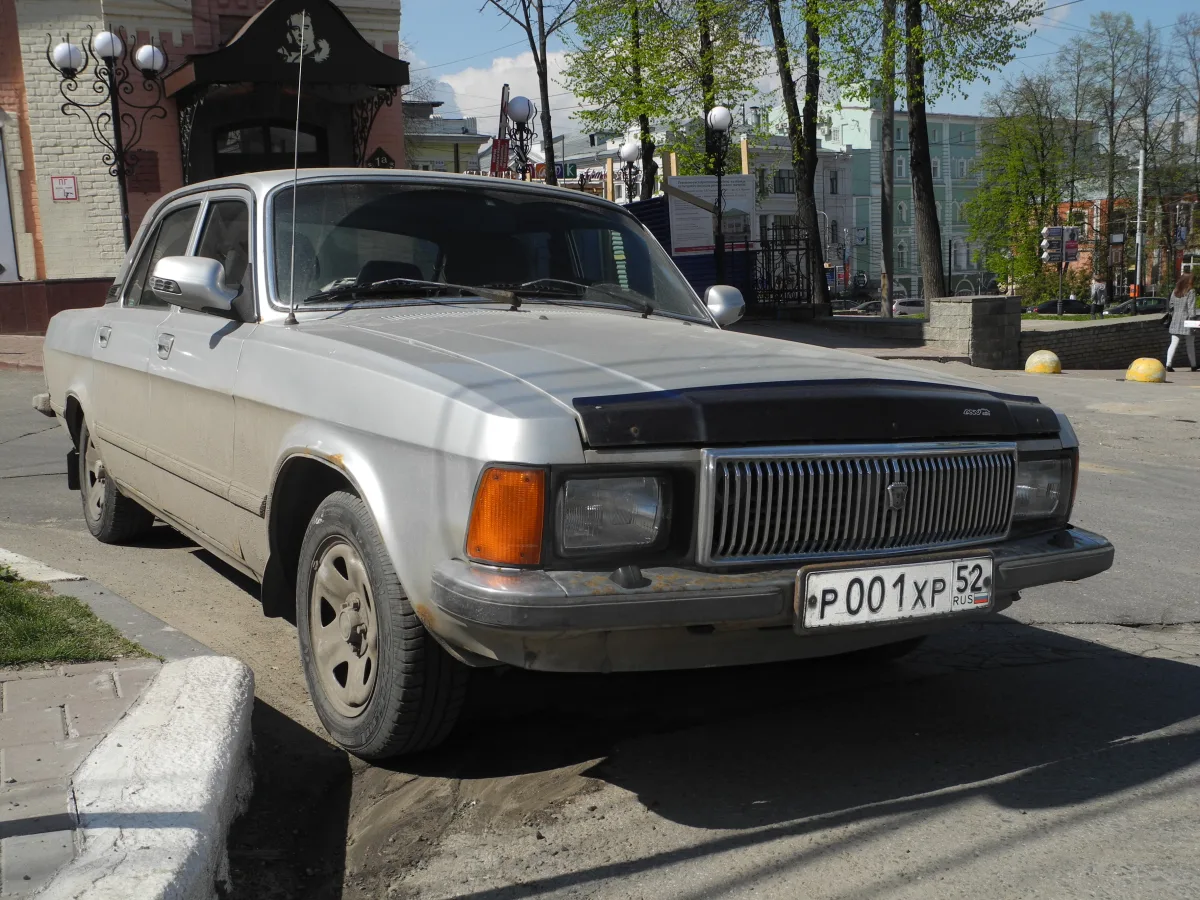
GAZ-3102 Volga: the more luxurious Volga, engines and what to know
The GAZ-3102 Volga is the more luxurious model from Gorky Automobile Plant (GAZ) that started production during the Soviet era and remained in production until the end of the first decade of the 21st century. In this article, we look at the engines, trims and what you need to know when buying such a car.






GAZ-3102 in brief
The GAZ-3102 is based on the GAZ-24 construction but was offered as a more luxurious, limited-production version with better trim and equipment. It was primarily intended for government institutions and official use, so there aren't many in private hands.
This is a rear-wheel-drive sedan with a spacious interior and a simple construction, often chosen by collectors and those who appreciate a retro look.
Yearly differences
Having been produced for over two decades, the model gradually changed, so a review of one car won't suit all. Earlier models have simpler engines, while later ones feature more modern technology.
Always check the specific year of manufacture when buying, as this affects the engine, parts and value.
Engines and gearboxes
The most common engine is the ZMZ 2.4 l with a carburettor, around 100 hp. Later cars received the ZMZ-406 with fuel injection, which produces around 130 hp. Some cars have different engines, so you can find various configurations.
The gearbox is usually manual, with drive to the rear wheels.
What to check when buying a GAZ-3102
The main thing to look out for is rust. Check the sills, wheel arches, floor, bottom of the doors, and the boot floor. If the body has been repaired, look for signs of poor painting and welding.
Check the cooling system, oil leaks, and ignition or injection operation in the engine. Parts become easier to find if the car has a more common engine, such as the ZMZ.
Ask for the documents and ensure the car is properly registered. This will make insurance and the technical inspection smoother.


Trim levels
The car changed over its production run; names and variants are listed generally.
Su ZMZ 2,4 l (karbiuratorius)
earlier yearsA simpler, more common variant.
- Around 100 HP
- A simple, easily fixable design
- Higher fuel consumption than injection
Su ZMZ-406 (įpurškimas)
later yearsA more powerful variant with injection.
- Around 130 HP
- More lively driving
- More complex electronics
Ankstyvieji automobiliai
1980sFirst-generation models with simpler technology.
- Often — more basic interiors.
- Carburettor engine
- Collector's value
Vėlyvieji automobiliai
later yearsLater generations with slightly more modern technology.
- Often — more modern interiors.
- Some come with fuel injection
- More suited to daily driving
Comparing versions
| Karbiuratorinė | Įpurškimo | |
|---|---|---|
| Who it's for | For casual use and collecting | For more frequent driving |
| Power | Around 100 HP | Around 130 HP |
| Price in the used market (relatively) | € | €€ |
Many buyers are better off choosing a well-maintained later model with the ZMZ-406. Collectors prioritise originality and provenance.
Pros
- Long-lasting, simple design
- Spacious interior
- Retro styling, collector's potential
- Parts selection is shared with other Volgas
Cons
- High fuel consumption
- Corrosion and body condition
- Basic safety equipment by today's standards
Frequently asked questions
How does the GAZ-3102 differ from the GAZ-24?
The GAZ-3102 is based on the GAZ-24 design but was a more luxurious, limited-production version with better trim and equipment.
What engines were available in the GAZ-3102?
Most commonly — ZMZ 2.4 l with carburettor (around 100 hp), later — ZMZ-406 with fuel injection (around 130 hp).
Is the GAZ-3102 suitable for daily use?
Yes, if it's well-maintained, but don't forget about the hefty fuel consumption and aging safety features.
Updated 2026-10-21 · Trim levels and equipment vary by market and model year — check the equipment of the specific car. · Translated automatically


