 English
 Lietuvių
 Latviešu
 Eesti
 Polski
 Русский
 Українська
 Deutsch
 Nederlands
 Čeština
 Slovenčina
 Svenska
 Norsk
 Dansk
 Suomi


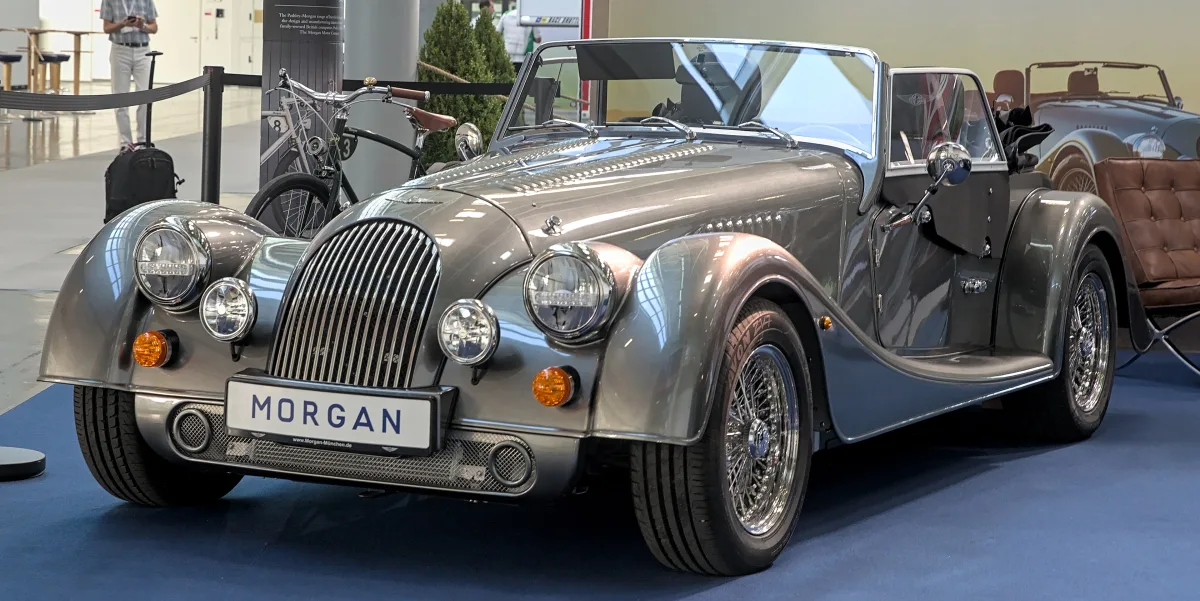
Morgan Plus 4: Classic and Modern Versions, Engines, and What to Check
The Morgan Plus 4 is a British sports car whose production began in 1950. Today, it is both a collector's classic and a new, modern model. We look at how the generations differ, which engines are used, and what to check before buying.






Plus 4 in brief
Morgan stands out because its classic shape has barely changed over decades. The Plus 4 was larger and more powerful than the smaller 4/4, designed for those who needed more oomph.
The car is usually a two-seater, convertible or with a fabric roof, and its body frame is made of ash wood, covered with metal panels. It's a handcrafted car, so each example is slightly different.
Generations — How They Differ
The first Plus 4 generation (1950–1969) used Standard, later Triumph engines and well reflects the sports car of that era. It's a sought-after variant among collectors.
The second generation (1985–2020) returned with more modern 2.0-litre engines from production cars and maintained the classic construction. Since 2020, the fully new Plus Four has been produced with a lightweight aluminium platform and a BMW engine.
Engines and Gearboxes
Classic generation engines are 2-litre and similar 4-cylinder units, paired with a manual gearbox. Power was modest, but the car was light and responsive.
The new Plus Four features a BMW 2.0-litre turbocharged 4-cylinder engine with around 255 hp, paired with a manual or automatic gearbox. It's much faster and more comfortable than the older generations.
What to check when buying a used Plus 4
For classic cars, the most important thing is the wooden frame: check for rot, water damage, or poorly executed repairs. Also, inspect the suspension and the front independent suspension – it requires regular maintenance.
Check if the car is original and ask for all repair documents. Morgan clubs and specialist services in the UK can advise on parts.
For a new Plus Four, it's important to check if the car has all service records and no suspension damage. The factory offers extended warranties, so it's worth verifying the first owner's specified equipment.


Trim levels
Plus 4 versions are worth distinguishing by generation; names and equipment can vary by market and year.
Plus 4 (klasikinė)
1950–1969The first generation with Standard and Triumph engines.
- Wooden frame
- Front independent suspension
- Collector's editions
Plus 4 (antroji karta)
1985–2020Classic shape with more modern engines.
- 2.0-litre engines
- Classic construction
- Often — manual gearbox
Plus Four (nauja)
from 2020Modern aluminium platform and BMW engine.
- Around 255 hp turbocharged engine
- Manual or automatic gearbox
- More modern safety and comfort features
Plus 4 times comparison
| Klasikinė (1950–1969) | Antroji (1985–2020) | Nauja (nuo 2020) | |
|---|---|---|---|
| Who it's for | For collectors | For enthusiasts and cruising | For modern comfort |
| Body construction | Wooden frame, steel chassis | Classic, wooden frame | Aluminium platform |
| Engine | Around 2 l, 4 cyl. | 2.0 l, 4 cyl. | BMW 2.0 l turbo |
| Price in the used market (relatively) | €€€ | €€ | €€€ |
Collectors will love the classic Plus 4, enthusiasts the second generation, and those seeking modernity should look at the new Plus Four. A thorough independent inspection is essential before buying.
Pros
- A unique, hand-built car
- Light and precise handling
- A timeless, classic design
- The modern version is quick and reliable
Cons
- Maintaining a wooden frame requires experience
- Limited comfort and space
- Parts and specialists are scarce in Lithuania
Frequently asked questions
Is the Morgan Plus 4 suitable for daily driving?
The classic version — no, as it requires special maintenance and isn't comfortable in winter. The new Plus Four is more comfortable, but it's still a small sports car.
How does the Plus 4 differ from the Plus 8 and 4/4?
The 4/4 is smaller and less powerful, the Plus 4 has a larger engine, and the Plus 8 comes with a V8. All share a similar classic look.
Are Morgans expensive to maintain?
Yes, because the cars are hand-built and require specialists. Classic versions need regular maintenance, while newer ones require an official service.
Updated 2026-10-21 · Trim levels and equipment vary by market and model year — check the equipment of the specific car. · Translated automatically


