 English
 Lietuvių
 Latviešu
 Eesti
 Polski
 Русский
 Українська
 Deutsch
 Nederlands
 Čeština
 Slovenčina
 Svenska
 Norsk
 Dansk
 Suomi


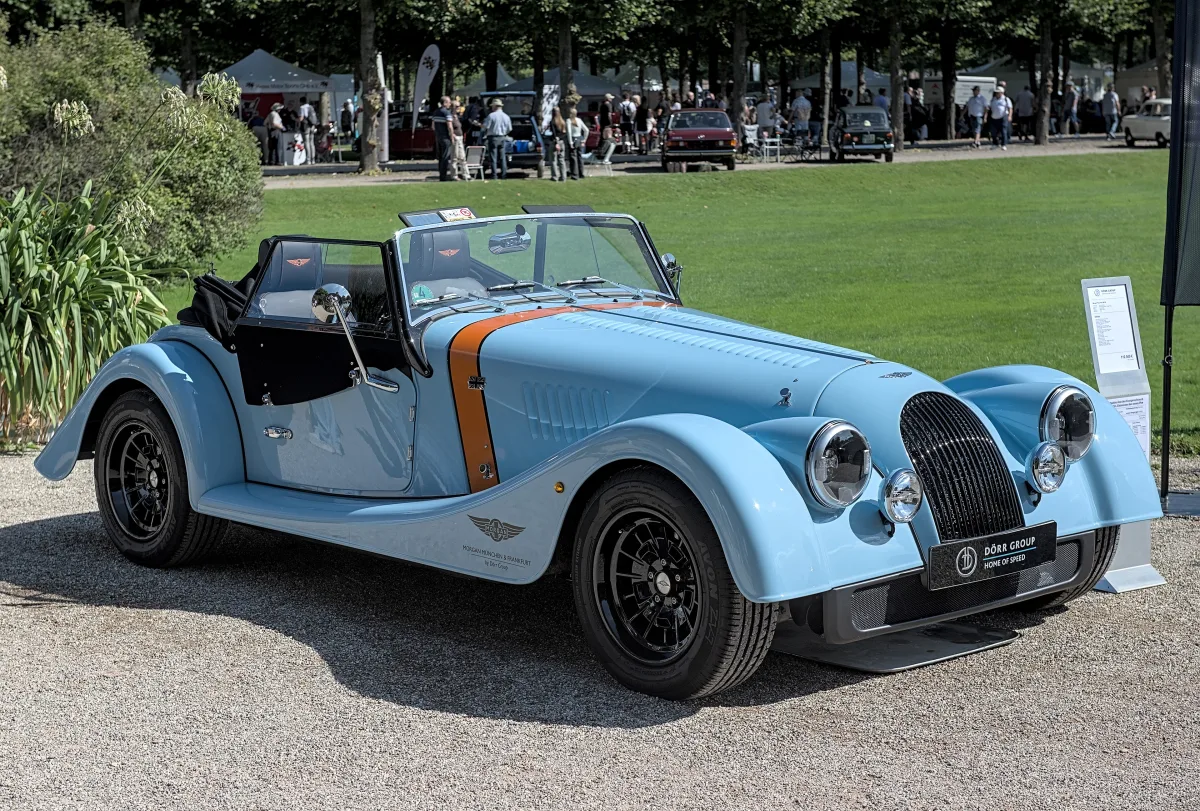
Morgan Plus Four: classic and modern versions
The Morgan Plus Four is a two-seater open-top sports car from Britain's Morgan, with a design that retains a classic style. In this article, we look at the old Plus 4 and the newer Plus Four, their engines, and what buyers need to know.






Plus Four in brief
The Morgan Plus 4 first appeared in 1950 and became one of Morgan's longest-running lines. The car has always been a small, lightweight open-top sports car with a long engine hood and minimal cabin.
The new Plus Four debuted in 2020 and retains the classic shape, but its technology is modern—an aluminium platform and a turbo engine. It's one of the few brands still making cars with hand-built bodies.
Which one to choose
The classic Plus 4 (1950–1969) is an old-timer with a separate chassis and wooden body frame. Its engines were sourced from other manufacturers, such as Standard and Triumph. It's ideal for collectors and classic car enthusiasts.
The new Plus Four (from 2020) is more comfortable, safer, and reliable. If you want a daily-driven open-top car, it's better to choose the new model, although it's significantly more expensive.
Engines and transmissions
The new Plus Four's engine is a 2.0-litre turbo petrol unit, producing around 258 hp. This engine is sourced from BMW, so it's well-refined and reliable.
Gearbox — six-speed manual or eight-speed automatic. The car is very light, so the dynamics are good even with a not overly large engine capacity.
What to check when buying a Plus Four
In the case of an older Plus 4, the most important things are the condition of the wooden frame and chassis, rust, and documentation. Many cars have been restored, so ask about the work done and parts used.
For a new Plus Four, check if there is a manufacturer's warranty and service history. Open-top cars are sensitive to moisture, so inspect the roof, interior, and boot for mildew.


Trim levels
Plus Four trim names and equipment vary, so we list them by generation.
Plus 4 (klasikinis)
1950–1969The older version with simple technology and a wooden frame.
- Engines from other manufacturers
- A basic, narrow interior
- Manual gearbox
Plus Four (šiuolaikinis)
From 2020The new version with a turbo engine and aluminium platform.
- Around 258 hp turbo engine
- Manual or automatic gearbox
- Often — modern multimedia
Generation comparison
| Plus 4 (1950–1969) | Plus Four (nuo 2020) | |
|---|---|---|
| Who it's for | For collectors and classic car enthusiasts | For a modern, open-top sports car |
| Engine | Standard or Triumph heritage | 2.0-litre turbo, around 258 bhp |
| Gearbox | Manual | Manual or automatic |
| Price in the used market (relatively) | €€€ | €€€ |
The older Plus 4 is more suited to the collector, but you'll get a more comfortable and reliable car with the modern Plus Four.
Pros
- Distinctive classic design
- Light, lively driving
- Hand-built body
- Good collector's value
Cons
- Expensive and rarely sold
- Open-top not practical in winter
- Small boot and cramped interior
Frequently asked questions
Is the Plus Four suitable for daily use?
The new model is fine, but the interior is cramped and the boot is small. The old Plus 4 is better suited to an occasional or collector's car.
What engine does the new Plus Four have?
Mostly a 2.0-litre turbo petrol engine, with around 258 bhp, with manual or automatic gearbox.
Is the Plus Four expensive to maintain?
The new model uses a well-known engine, but the body and trim are special, so repairs can cost more than a regular car.
Updated 2026-10-21 · Trim levels and equipment vary by market and model year — check the equipment of the specific car. · Translated automatically


