 English
 Lietuvių
 Latviešu
 Eesti
 Polski
 Русский
 Українська
 Deutsch
 Nederlands
 Čeština
 Slovenčina
 Svenska
 Norsk
 Dansk
 Suomi


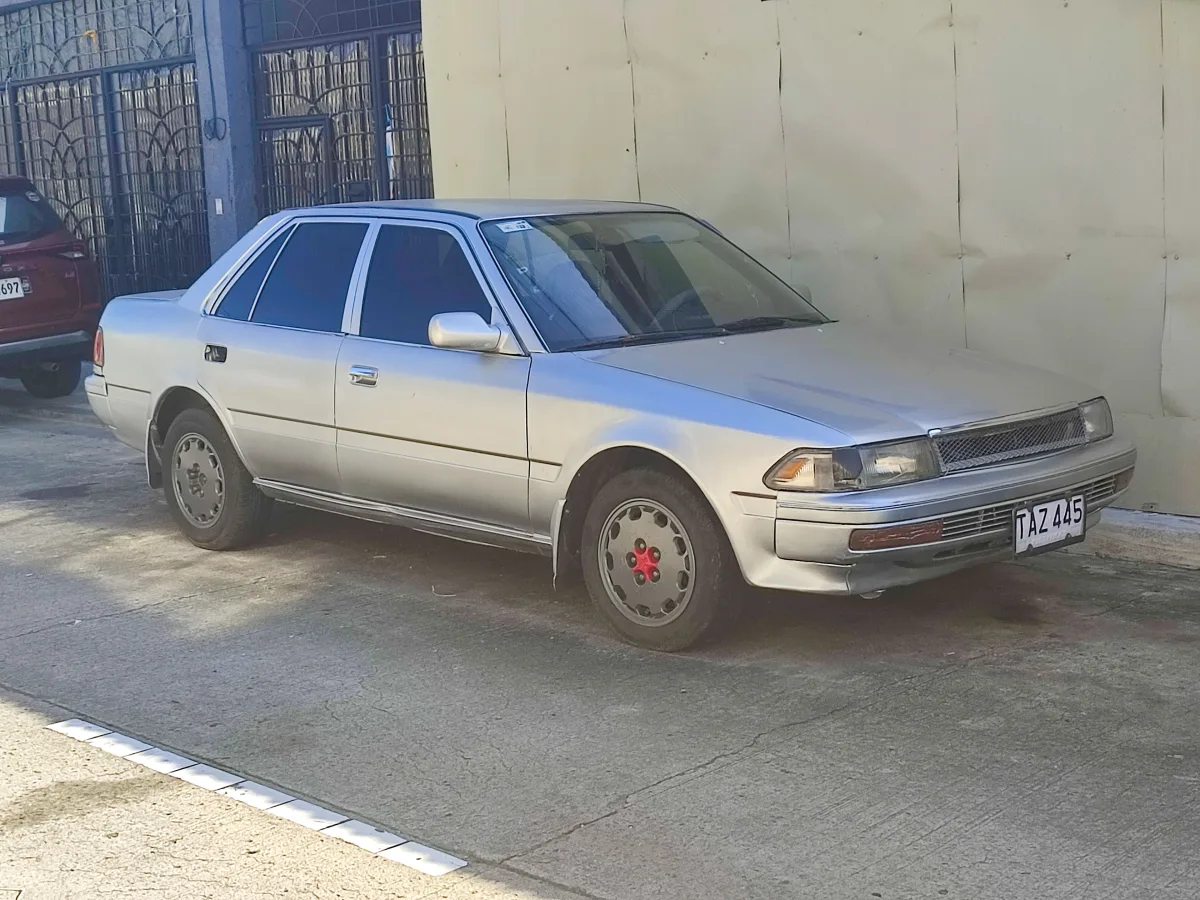
Toyota Corona: generations, engines and trims
The Toyota Corona is a mid-size sedan produced from 1957 to 2001 and was one of Toyota's key models for many years. In this article, we look at which generations you're most likely to find in the used market, what engines were used, and what to check when buying an older car.






Corona in brief
The Corona was one of the first Toyota models to successfully sell outside of Japan. Over more than four decades, several generations evolved: from small rear-wheel-drive sedans to later front-wheel-drive sedans, hatchbacks, and estates.
Today, the Corona is primarily a rare, practical classic for those who value simplicity and a reputation for reliability. Some generations were sold under different names, so similar models in Europe were later called Carina, and this name gradually faded away.
Which generation to choose
Earlier, rear-wheel-drive generations (up to around the early 1980s) are now valued as classics. They are mechanically simple but often suffer from rust, and finding original parts can be challenging.
Newer front-wheel-drive generations — from around the late 1980s and 1990s — are more practical for daily use. They have a more modern suspension and more comfort, making them better suited for those looking for an older but usable car. The key is a clear condition and an unrusted body.
Engines and gearboxes
The Corona came with various petrol engines, most commonly ranging from 1.6 to 2.0 litres, and in some markets and years, diesel versions were also available. The specific engine offerings depended on the generation and market, so before buying, make sure to check the car's documents.
Transmissions were manual (4 or 5 speeds) or automatic. Manuals are straightforward and reliable, while automatics require timely oil changes, especially in older models.
What to check when buying a used Corona
First, inspect the body — look for dents, wheel arches, the floor, and the boot. Corrosion is a major issue with older Japanese sedans, and body repairs often cost more than the car itself.
Check the engine condition, cooling system, timing belt or chain history, as well as the clutch and transmission. For cars over thirty years old, it's common to need to replace rubber parts: mounts, hoses, and suspension bushes.
Parts availability depends on the generation: some parts you'll find easily, others you'll need to seek from specialist suppliers. Before purchasing, it's worth asking if the car has clean documents and what its history is.


Trim levels
Names and equipment vary by market and year; we list the trims most commonly found in Europe.
XL
Later generationsA more basic, affordable trim for daily use.
- Often — simpler interior trim
- Usually — a manual transmission
- Often — steel wheels with hubcaps
GL
Later generationsA popular trim with better equipment than the base model.
- Often — more comfort features
- Often — electric windows
- More comfortable seats
GLi
Later generationsHigher-spec trim, often with a more powerful engine.
- Often — fuel-injected engine
- Often — alloy wheels
- Often — more comprehensive comfort features
Aukščiausia versija
Later generationsThe top-of-the-range trim for that generation and market.
- Often — the largest engine
- Often — automatic transmission
- Often — full comfort features
Comparing trims
| XL | GL | GLi | Aukščiausia versija | |
|---|---|---|---|---|
| Who it suits | For everyday use | For daily comfort | For more dynamic driving | For maximum comfort |
| Interior | Basic | More comfortable | Better trim | Top-spec trim |
| Engine | Smaller | Mid-range | Often more powerful | Often the most powerful |
| Price in the used market (relatively) | Budget | Budget | Mid-range | Mid-range |
Many buyers would be wise to choose the GL or GLi, which offer more comfort, but most importantly — an unrusted body and reliable mechanics, rather than just the features.
Pros
- A simple and reliable construction
- Practical for daily use
- Often cheap to maintain
- The reputation of Japanese cars for reliability
Cons
- An old car means corrosion and perished rubber
- Parts availability depends on the generation
- A rarer model means fewer specialists
Frequently asked questions
Is the Corona a reliable car?
Toyota has truly earned this reputation, but the Corona is very old, so it's not the model that matters, but the specific car's maintenance and condition.
Is the Corona sold in Europe?
Similar models were later sold in Europe under different names, so imported or old European examples are often encountered.
Is the Corona suitable as a daily driver?
Newer generations might be okay if they're in good condition, but older cars require more maintenance and attention.
Updated 2026-10-19 · Trim levels and equipment vary by market and model year — check the equipment of the specific car. · Translated automatically


