 English
 Lietuvių
 Latviešu
 Eesti
 Polski
 Русский
 Українська
 Deutsch
 Nederlands
 Čeština
 Slovenčina
 Svenska
 Norsk
 Dansk
 Suomi


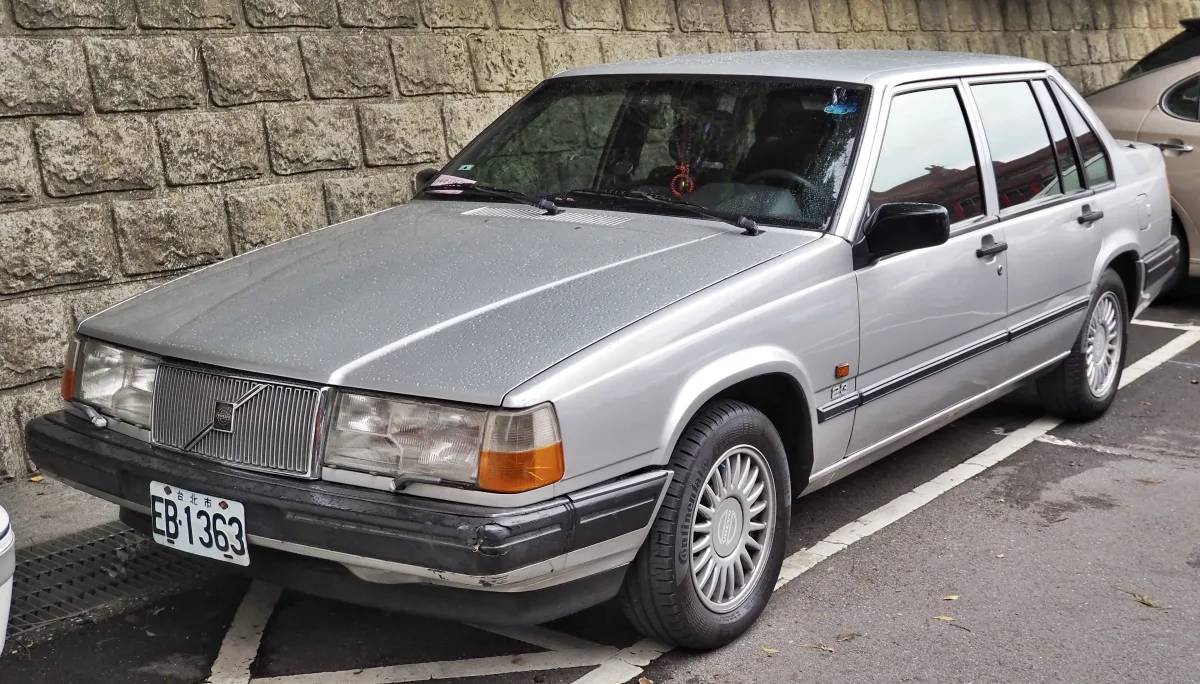
Volvo 940: rear-wheel drive classic, engines and trims
The Volvo 940 is a rear-wheel-drive sedan and estate produced from 1990 to 1998, remembered by many for its robustness and safety. We look at how early and late versions differ, which engines you'll find, and what to check before buying one.






Volvo 940 in brief
The 940 was created as a more advanced version of the 740 series and was produced in two body styles — sedan and estate (Kombi). The car features rear-wheel drive, a sturdy body, and straightforward, easy-to-understand technology.
Thanks to its spacious boot and robustness, the estate was one of the most popular family cars in Northern Europe for many years. Today, the 940 is valued as a cheap, fixable, and characterful car, although most examples are now very old.
Which version to choose
Early 940s (1990–1994) have the classic 'boxy' front end and basic equipment. This is the most basic and easiest-to-fix version.
Later models, often referred to as the 940 II (from 1994–1995), received a smoother front end, similar to the 960 model, and more safety features, including airbags. If you're after the most comfortable and safest option, go for the later cars.
Engines and gearboxes
The most common petrol engines are the 2.0 and 2.3-litre units, with turbocharged (Turbo) variants also available. The diesel version came with a 2.4-litre engine, often with a turbocharger.
Transmissions are manual or automatic. Automatic is usually reliable if the oil is changed on time, but most cars are old, so the condition of the gearbox must be tested while driving.
What to check when buying a used Volvo 940
The most important thing is corrosion: check the sills, wheel arches, boot floor, and rear axle mounting points. Deep corrosion is often costly to repair, and a good body is worth far more than a better engine.
Ask when the timing belt was last changed (if the engine has one), check the cooling system, exhaust, and brake pipes. The electrical system is older, so turn on all functions and make sure they work.


Trim levels
Names and equipment vary by market and year; we list the trims most commonly found in Europe.
GL
1990–1998Base trim with basic equipment.
- Often comes with simple hubcaps
- Hydraulic power steering
- Simpler interior trim
GLE
1990–1998Better-equipped version with more comfort.
- Often features electric windows
- Often features central locking
- More comfortable seats
SE
1990–1998A higher-class trim with a more luxurious interior.
- Often — leather upholstery
- Often — electrically adjustable seats
- Often — lightweight alloy wheels
Classic
1997–1998The final edition, released just before production ended.
- Often — lightweight alloy wheels
- Often — additional comfort features
- Often — more comprehensive standard equipment
Comparing versions
| GL | GLE | SE | |
|---|---|---|---|
| Who it's for | A straightforward, budget-friendly car | For daily driving | For comfort |
| The interior | Basic | More practical | More luxurious |
| Engine | Mostly 2.0–2.3 petrol | 2.0–2.3 petrol or diesel | 2.3 petrol or Turbo |
| Price in the used market (relatively) | € | € | €€ |
For most buyers, the condition of the body and engine is more important than the trim level. If you can choose, it's better to go for a later 940 II with better equipment.
Pros
- Robust, simple and easy to fix
- Large boot (estate)
- Rear-wheel drive and noticeable reliability
- Cheap parts and simple technology
Cons
- Most cars are very old and may be rusty
- High fuel consumption
- Aging electrical and interior features
Frequently asked questions
Is the Volvo 940 still worth buying?
Yes, if you're after a simple, reliable, and sturdy car. Be sure to thoroughly inspect the body for rust, as that's the main issue.
What sets the Volvo 940 and 960 apart?
Both models feature rear-wheel drive, but the 960 is the more upscale option: with six-cylinder engines and more luxurious trim. The 940 is more basic and easier to maintain.
Which engine is the best?
The 2.3-litre petrol is by far the most popular and straightforward. Turbo versions are more powerful but require more upkeep; the diesel is more economical but slower.
Updated 2026-10-17 · Trim levels and equipment vary by market and model year — check the equipment of the specific car. · Translated automatically


