 English
 Lietuvių
 Latviešu
 Eesti
 Polski
 Русский
 Українська
 Deutsch
 Nederlands
 Čeština
 Slovenčina
 Svenska
 Norsk
 Dansk
 Suomi


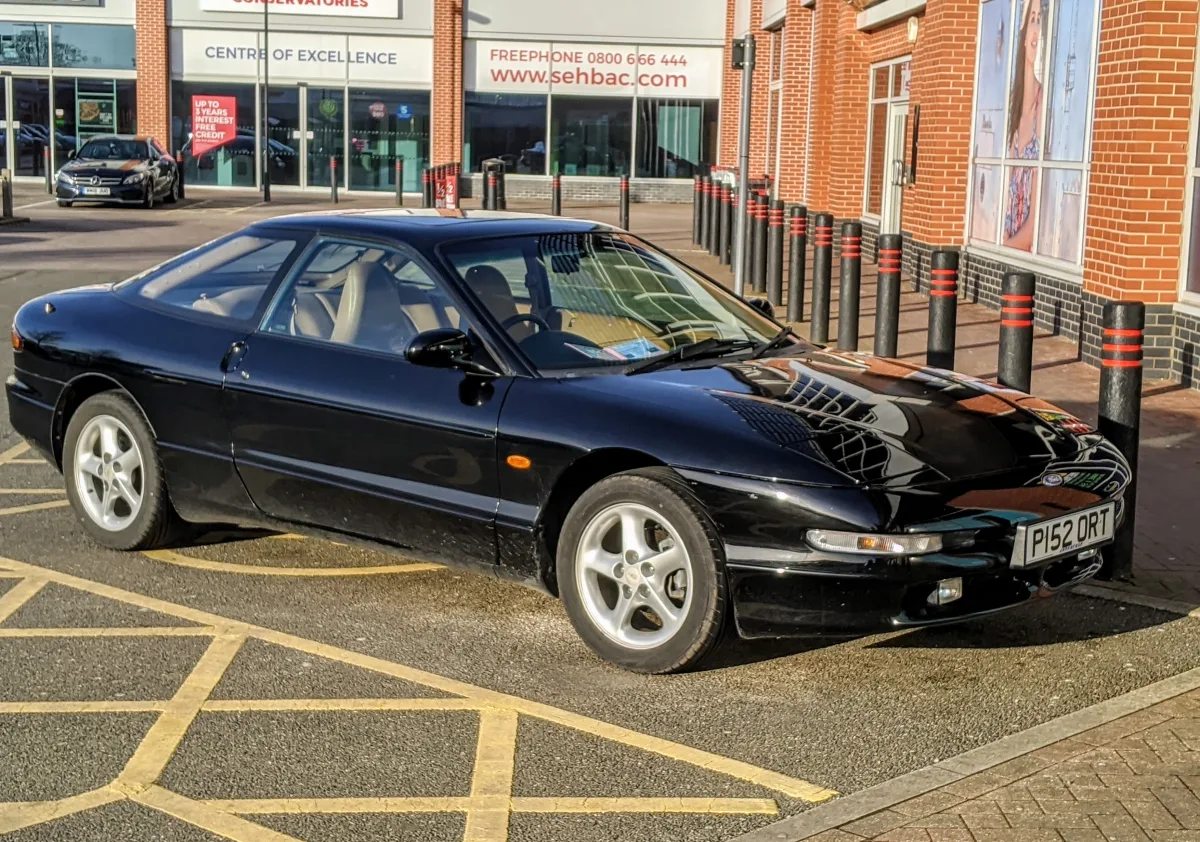
Ford Probe: 1st and 2nd generations, engines and trims
Ford Probe — a two-door sports coupe, produced from 1988 to 1997 based on the Mazda platform. We look at both generations, engines, and what to check when buying a used Probe.






Probe in brief
The Ford Probe was designed as a sporty coupe, created in collaboration with Mazda and manufactured in the USA. It is a front-wheel-drive car with a liftback-style body.
This model is particularly popular among enthusiasts as it stands out with its unique appearance and sufficiently dynamic driving. Now, the Probe is considered an affordable but characterful classic car.
Which generation to choose
The 1st generation (1988–1992) has a more angular design and simpler technology. It is collectible, but good-condition examples are becoming scarce.
The 2nd generation (1993–1997) is more rounded, with a more modern interior and a more powerful 2.5-litre V6 engine. It is considered more comfortable and attractive, making it the more sought-after in the used market.
Engines and transmissions
The 1st generation typically featured a 2.2-litre four-cylinder engine, while the 2nd generation had a 2.0-litre four-cylinder engine (around 115 hp) and a 2.5-litre V6 (around 165 hp).
Transmissions are either a 5-speed manual or a 4-speed automatic. The V6 version is considered the best due to its lively, enjoyable acceleration and great sound.
What to check when buying a used Probe
First, inspect the body for rust: check the sills, wheel arches, door bottoms, and rear section. Also, check if the car has been in an accident and if there are signs of amateur repairs.
Check the timing belt change history, cooling system, and engine condition.
Check the electrical equipment and interior details, and test the gearbox. Many Probe models are now old and used, so ask for service history.


Trim levels
Names and equipment vary by market and year; we list the most common trims found in Europe.
2.2 16V
First generationThe base First generation version with a 2.2 l engine.
- 2.2 l 16-valve engine
- Often — sporty looks
- Often — electric windows
2.0 16V
Second generationThe more basic Second generation version with a 2.0 l engine.
- Around 115 hp engine
- Often — electric windows
- Often — air conditioning
2.5 24V
Second generationThe most powerful Second generation version with a V6 engine.
- 2.5 l V6 engine, around 165 hp
- Often — lightweight alloy wheels
- Often — more comprehensive comfort equipment
Comparing versions
| 2.2 16V | 2.0 16V | 2.5 24V | |
|---|---|---|---|
| Who it's for | For classic enthusiasts | For economical driving | For dynamic driving |
| Engine | 2.2-litre, 4 cylinders | 2.0-litre, 4 cylinders | 2.5-litre V6 |
| Interior | Basic | Simpler | More luxurious trim |
| Price on the used market (relatively) | € | € | €€ |
Most buyers will opt for the 2.0-litre version if you're looking for a more economical car. Enthusiasts should consider the 2.5-litre V6 — it's the most dynamic and appealing.
Pros
- Distinctive sporty looks
- Dynamic driving, especially with the V6
- Not overly expensive
- More practical than most coupes due to the large rear hatch
Cons
- An old car means potential corrosion and worn-out parts
- Limited parts availability
- V6 differential belt maintenance
Frequently asked questions
Which Probe generation is better?
The second generation is more modern and more commonly sought after, while the first generation is more of a collector's item, simpler, and rarer.
Is the Probe reliable?
With proper maintenance, yes, but the car is already old, so it's crucial to check the body and differential system.
Is it suitable for daily use?
If it's in good condition, then yes, but you'll need to prepare for a limited parts supply and the maintenance needs of an older car.
Updated 2026-10-19 · Trim levels and equipment vary by market and model year — check the equipment of the specific car. · Translated automatically


