 English
 Lietuvių
 Latviešu
 Eesti
 Polski
 Русский
 Українська
 Deutsch
 Nederlands
 Čeština
 Slovenčina
 Svenska
 Norsk
 Dansk
 Suomi


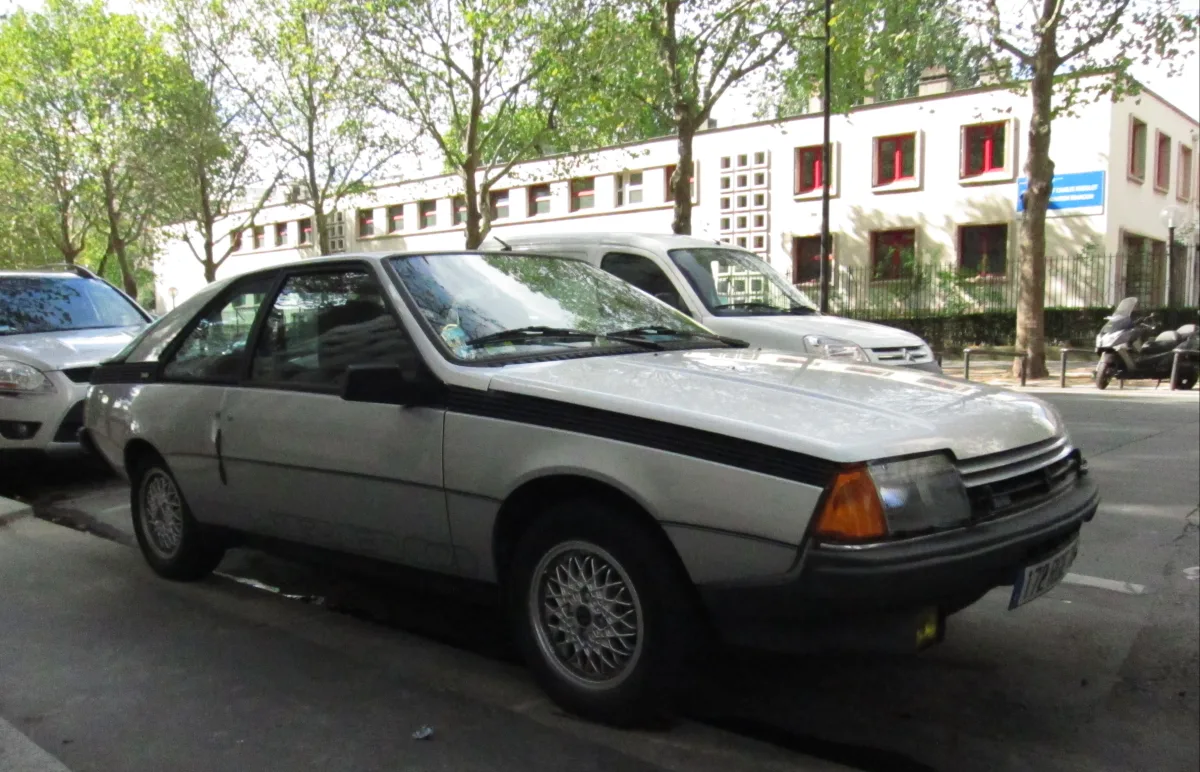
Renault Fuego: engines, trims and what to know when buying a classic coupe
Renault Fuego — a French sports coupe introduced in 1980 and based on the Renault 18. In this article, we look at the engine and trim options, as well as what to check before buying this rare classic car.






Fuego in brief
The Fuego is a two-door coupe with a large, lifting rear hatch and an aerodynamic body. It was designed as a replacement for the Renault 15 and 17 coupes, with technology borrowed from the Renault 18 range.
This wasn't a particularly fast car, but its looks and comfort were highly regarded. Today, the Fuego is a rarity sought after by classic car enthusiasts.
Which trim to choose
The Fuego was produced in one generation. Production ended in France around 1985, but the model continued in Argentina until 1992.
When choosing, pay attention to the engine and condition. Collectors often seek out more powerful versions, primarily the Turbo, although any well-maintained Fuego is a good choice.
Engines and gearboxes
The Fuego was offered with four-cylinder petrol engines, roughly from 1.4 to 2.0 litres, as well as a 1.6-litre turbo version and a diesel engine. The exact offerings depended on the market and the year.
The gearbox is either manual or automatic, with front-wheel drive.
What to check when buying a used Fuego
Check the body for rust, especially the sills, wheel arches, floor and door sills. French cars from this era weren't well protected against rust.
Check the condition of the engine and turbocharger, cooling system, and electrical components. Older Renault electrical systems often have issues, so test all connectors and accessories.
Spare parts, especially for the body, interior, and glass, can be hard to find. Before buying, check if there are clubs or suppliers that can help.


Trim levels
Names and equipment vary by market and year; we list the versions and trims most commonly found in Europe.
GTS / TS
1980–1985The main petrol variants.
- Often — a 1.6-litre engine
- Simpler interior trim
- Manual or automatic gearbox
GTX
1980–1985More powerful and better-equipped version.
- Often — a 2.0-litre engine
- More features
- More comfortable interior
Turbo
1982–1985The sportiest version with a turbocharger.
- 1.6-litre turbo engine
- Sportier design
- Often — more gadgets
Comparing versions
| GTS / TS | GTX | Turbo | |
|---|---|---|---|
| Who it's for | For the daily commute | For comfort | For sporty driving |
| Engine | About the 1.6-litre | About the 2.0-litre | 1.6-litre turbo |
| Interior | More basic | Better equipped | Sportier |
| Price in the used market (relatively) | € | €€ | €€€ |
Most buyers will be happy with a well-maintained GTS or GTX. The turbo is the most desirable, but also the priciest version.
Pros
- Distinctive styling
- Spacious coupe with a rear-hinged back seat
- Rare model
- Relatively affordable compared to other classic coupes
Cons
- Common rust issues
- Parts can be hard to find
- Old-school electricals might be unreliable
Frequently asked questions
What did the Renault Fuego replace?
It replaced the Renault 15 and 17 coupes, with the underpinnings borrowed from the Renault 18.
Does the Fuego have a diesel engine?
Yes, a diesel engine was offered in certain markets, but most of the cars are petrol.
Is the Fuego suitable for daily driving?
Given its age, it's better suited as a classic. For a daily driver, you'll need more maintenance and parts hunting.
Updated 2026-10-19 · Trim levels and equipment vary by market and model year — check the equipment of the specific car. · Translated automatically


