 English
 Lietuvių
 Latviešu
 Eesti
 Polski
 Русский
 Українська
 Deutsch
 Nederlands
 Čeština
 Slovenčina
 Svenska
 Norsk
 Dansk
 Suomi


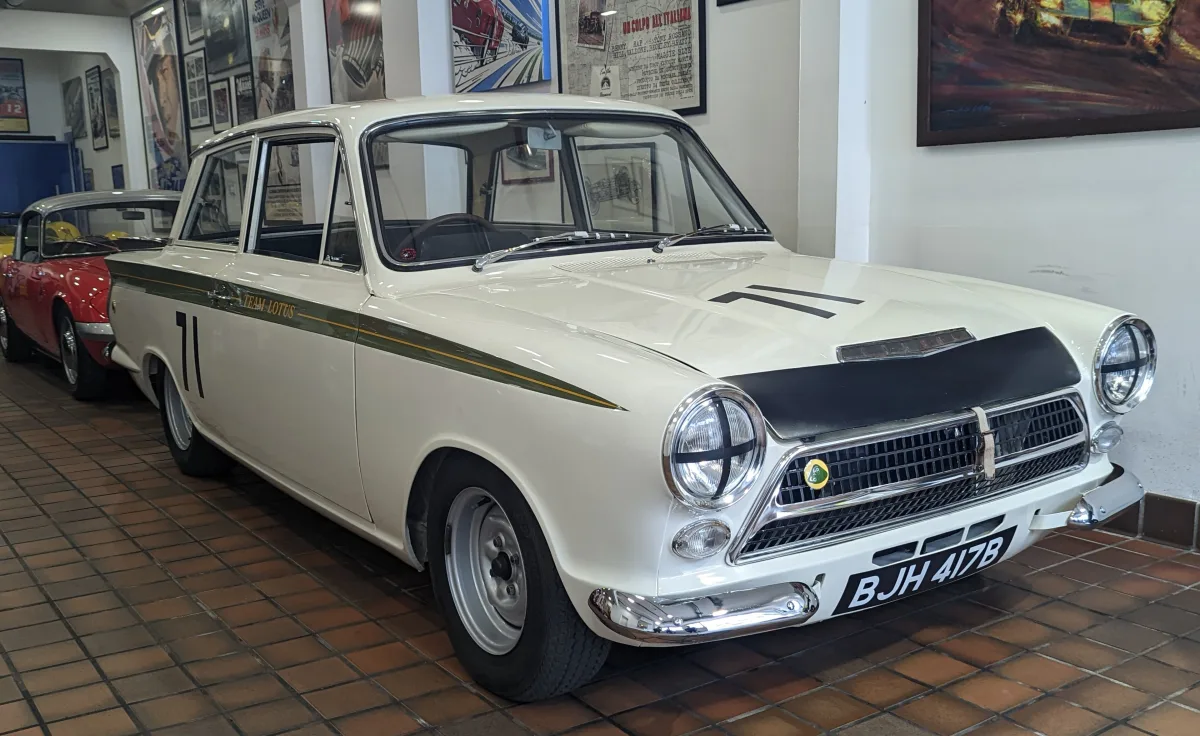
Ford Lotus Cortina: classic sports sedan
The Lotus Cortina — a sporty four-door sedan that debuted in 1963, created through a collaboration between Ford and Lotus. This model became one of the most famous British classic sports cars. We delve into its history, technology, and what to know if you're after one.






Lotus Cortina in brief
The Lotus Cortina was essentially a Ford Cortina sedan, modified by Lotus for sporty driving. It featured a more powerful engine, improved suspension, wider wheels, and a distinctive look — usually white with a green side stripe.
The car was designed to be homologated for racing, so it quickly became popular both on the track and on the streets. Even today, it's valued as a collectible car, though it's rarely seen in Lithuania.
Generations — what sets them apart
The first generation (Mk1) was produced from 1963 to 1966. The earliest models had lighter aluminium parts, and production initially took place at the Lotus factory. These cars are now the most expensive and sought-after.
The second generation (Mk2) was produced from 1966 to 1970 and was built using the new Cortina Mk2 body. It is considered more comfortable and practical, though slightly less sporty than the Mk1.
Engines and gearboxes
The Lotus Cortina featured the Lotus Twin Cam engine — a 1.6-litre (1558 cc) four-cylinder with twin overhead camshafts. In the first generation, power output was around 105 hp.
The gearbox was a four-speed manual. The suspension was improved, and some early versions used a unique rear suspension.
What to check when buying a Lotus Cortina
The most valuable and expensive are the original, early Mk1 cars. Therefore, it's crucial to verify the car's identity: is it really a Lotus Cortina, or just a regular Cortina disguised as a Lotus. Check the chassis number and documents.
Second, rust. Bodies of old British cars often rust around the sills, floors, and wheel arches. Third, the engine: the Twin Cam design requires meticulous maintenance, so check the service history and find a trusted specialist.


Generations and versions
The Lotus Cortina was produced in two generations, so we present them.
Lotus Cortina Mk1
1963–1966The first, most coveted generation.
- 1.6 l Twin Cam engine, around 105 HP
- Early cars came with aluminium parts
- White with a green side stripe
Lotus Cortina Mk2
1966–1970The second generation on the Cortina Mk2 body.
- A more practical body
- Usually the same engine type
- A more comfortable interior
Comparing generations
| Mk1 (ankstyvieji) | Mk1 (vėlesni) | Mk2 | |
|---|---|---|---|
| Who it's for | For collectors | For enthusiasts | For daily driving and shows |
| Engine | 1.6 l Twin Cam | 1.6 l Twin Cam | 1.6 l Twin Cam |
| Distinctive features | Largest | Big | Smaller |
| Price in the used market (relatively) | €€€ | €€€ | €€ |
The Mk1 is a true classic, but it's pricier and demands more maintenance. The Mk2 is more practical and affordable, ideal for those who prioritise driving over collecting.
Pros
- Loud classic sports sedan
- Characterful Twin Cam engine
- Rich racing heritage
- Holds its value well
Cons
- Very expensive and rare
- Tricky maintenance and parts sourcing
- Classic car corrosion
Frequently asked questions
What sets the Lotus Cortina apart from a standard Cortina?
The Lotus Cortina boasts the Lotus Twin Cam engine, upgraded suspension and sporty interior. The standard Cortina was a run-of-the-mill family car.
How much power does the Lotus Cortina have?
Initially around 105hp from the 1.6-litre Lotus Twin Cam engine.
How to spot a genuine Lotus Cortina?
Check the chassis number, paperwork and technical features. Best to get a specialist or club inspection before buying.
Updated 2026-10-21 · Trim levels and equipment vary by market and model year — check the equipment of the specific car. · Translated automatically


