 English
 Lietuvių
 Latviešu
 Eesti
 Polski
 Русский
 Українська
 Deutsch
 Nederlands
 Čeština
 Slovenčina
 Svenska
 Norsk
 Dansk
 Suomi


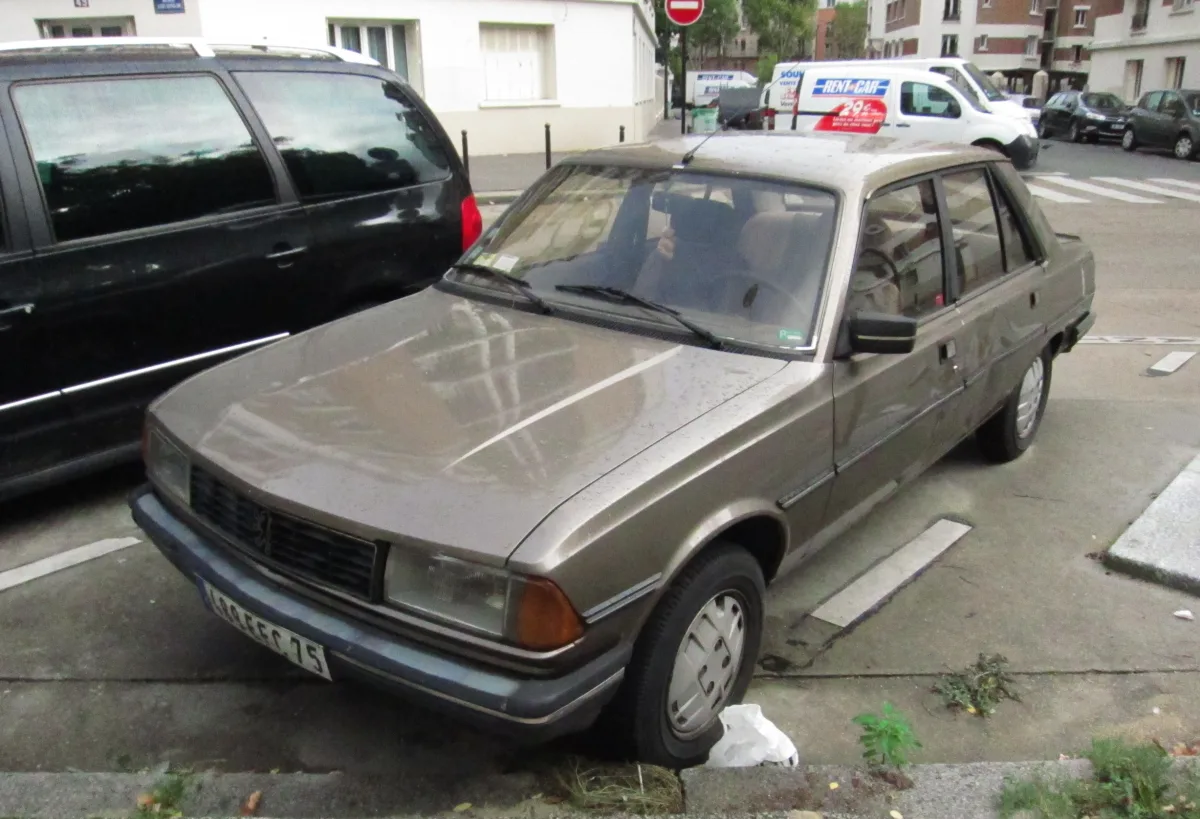
Peugeot 305: sedan, Break, engines and what to check
The Peugeot 305 is a mid-size Peugeot sedan and estate (Break) produced from 1977 to 1989 with front-wheel drive. We look at the engines, the 1982 facelift, and what to check when buying a classic car.






The 305 in brief
The Peugeot 305 debuted in 1977 as the successor to the 304 and was a very practical family car. It was offered as a sedan and estate (Break), with front-wheel drive and a transversely mounted engine.
The model is praised for its comfortable ride, spacious interior, and straightforward engineering. Today, it's a rare classic, so supply is limited, and condition dictates the price.
What sets different series apart
Early 305s (1977–1982) have a simpler design and less equipment. The 1982 model was refreshed with revised exterior elements, interior, and slightly improved engineering.
Later cars often come with more features, but the differences aren't significant enough to sway your choice. What matters most is the specific car's mechanical condition and service history.
Engines and gearboxes
Used examples come with petrol engines ranging from around 1.3 to 1.9 litres and a 1.9-litre diesel. Check the exact power output and engine code via the car's documents.
The gearbox is a 4 or 5-speed manual, with some versions offering an automatic. All cars have front-wheel drive.
What to check when buying a used 305
Age is crucial — check the body for corrosion: sills, arches, doors, floors, and the boot (estate — and the tailgate's condition). Inspect the engine's oil leaks and distribution mechanism.
Test the gearbox and clutch, suspension, brakes, and electrical equipment. Before buying, consult with a mechanic familiar with older Peugeots and the availability of spare parts.


Trim levels
Names and equipment vary by market and year; we list the most commonly found trims in Europe.
305 sedanas
1977–1989The most common body style with a petrol engine.
- Petrol engine (around 1.3–1.9 L)
- Front-wheel drive
- Often — 4 or 5-speed manual gearbox
305 Break
1978–1989Estate with a larger boot.
- Estate body
- Petrol or diesel engine
- Often — a 5-door body
305 dyzelis
1977–1989A more economical version with a 1.9 L diesel engine.
- 1.9-litre diesel engine
- Front-wheel drive
- Low fuel consumption
Compare 305 versions
| Sedanas | Break | Dyzelis | |
|---|---|---|---|
| Who it's for | Most buyers | Families and those who need plenty of space | High-mileage drivers |
| Body style | Sedanas | Estate | Saloon or estate |
| Engine | Petrol, around 1.3–1.9 litres | Petrol or diesel | 1.9-litre diesel |
| Price in the used market (relatively) | € | € | € |
Many buyers will find a well-maintained saloon a good choice. If you need more space, opt for the Break, and if fuel efficiency is key, go for the diesel.
Pros
- A comfortable ride and spacious interior
- Simple construction
- The practical Break estate
- A rare retro car
Cons
- Body corrosion in older models
- Limited availability in Lithuania
- Modest engine power and basic equipment
Frequently asked questions
Does the 305 have front-wheel drive?
Yes, all Peugeot 305s have front-wheel drive.
Is there a 305 estate?
Yes, the Peugeot 305 Break is also available.
Does the 305 have a diesel engine?
Yes, a 1.9-litre diesel version was offered.
Updated 2026-10-19 · Trim levels and equipment vary by market and model year — check the equipment of the specific car. · Translated automatically


