 English
 Lietuvių
 Latviešu
 Eesti
 Polski
 Русский
 Українська
 Deutsch
 Nederlands
 Čeština
 Slovenčina
 Svenska
 Norsk
 Dansk
 Suomi


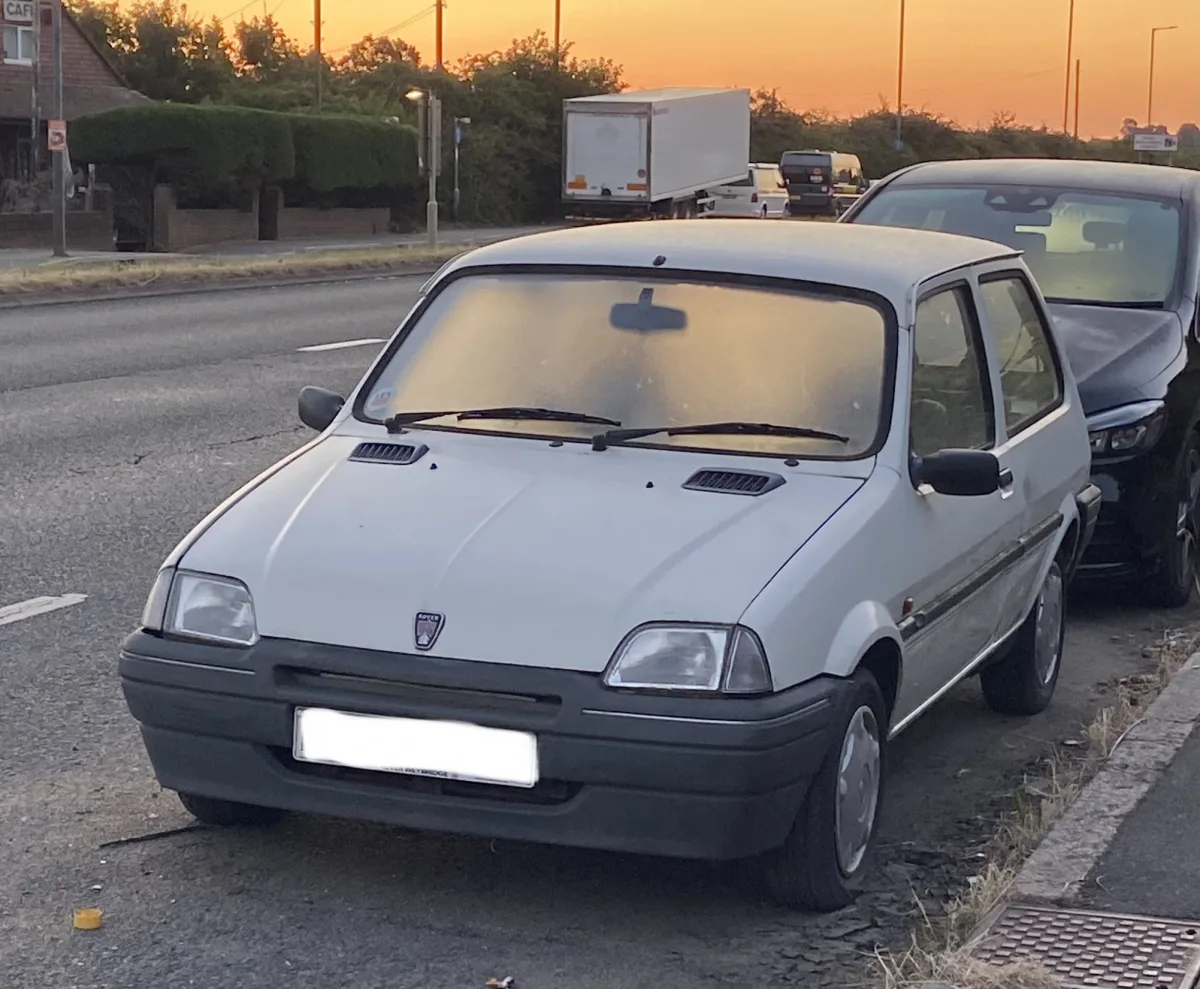
Rover 100: Metro successor, engines, and what to know before buying
Rover 100 — the 1994 facelifted and renamed long-serving Metro hatchback, produced until 1998. We look at how it differs from the Metro, which engines were used, and what to check before buying an older British small car.






Rover 100 in brief
The Rover 100 is the twice-refreshed successor to the Austin Metro. The first Metro generation debuted back in 1980, and in 1990 it was heavily revised, gaining a new family of engines and the name Rover Metro; after the 1994 facelift, the model became the Rover 100.
It's a compact city car with a 3- or 5-door hatchback body. It's appreciated for its compact dimensions, straightforward engineering, and low running costs.
Metro vs 100 — what's the difference
Mechanically, these cars are very similar. After the 1994 facelift, the front end, bumpers, interior details, and name changed. As a result, some ads for the Metro and 100 can be confusing.
This period also saw a few sportier or special versions, so it's best to identify specific examples by their documents and VIN.
Engines and gearboxes
The main engines are the K-series petrol units of 1.1 and 1.4 litres. They're paired with a manual gearbox, and some versions have an automatic.
K-series engines are known for head gasket issues, so it's crucial to check that the coolant level isn't dropping, there's no white smoke, and the engine hasn't been replaced.
What to check when buying a used Rover 100
First up — body corrosion: wheel arches, sills, floors, and the area beneath the windscreen. Some cars have been left to rot or poorly repaired for years.
Check the cooling system, head gasket signs, running gear, and electrical equipment. Parts are harder to find than for popular makes, but there are marque clubs and specialist suppliers in the UK.


Trim levels
Rover 100 trim names varied by market and year in Europe; we'll cover them generally.
Rover 111 ir 114
1994–1998 model yearsMain versions by engine size — 1.1 and 1.4 litres.
- Hatchback with 3 or 5 doors
- K-series petrol engine
- Additional equipment depends on the specific car
Version comparison
| 1,1 l | 1,4 l | Kabrioletas ar ypatinga versija | |
|---|---|---|---|
| Who it suits | City driving and short trips | Daily driving | For collectors |
| Engine | 1.1 l, K Series | 1.4 l, K Series | Differences |
| Price in the used market (relatively) | Budget-friendly | Budget-friendly | Mid-range |
Worth considering a well-maintained car with a reliable engine and sound body, viewing it as a not-too-expensive but not overly cheap small car to run.
Pros
- Compact and easy to park
- Simple technology
- Low running costs
- Rare, but has its fans
Cons
- K Series head gasket risk
- Rust and age
- Limited parts availability in Lithuania
Frequently asked questions
Are the Rover 100 and Rover Metro the same?
Almost 100 is the 1994 refreshed Metro version with a revised front end and name.
Is the K series engine reliable?
It's well-known for head gasket issues, so it's essential to check the cooling system before buying.
Is it easy to find parts?
Not as easy as for popular marques, but there are still suppliers and clubs in the UK offering the necessary details.
Updated 2026-10-21 · Trim levels and equipment vary by market and model year — check the equipment of the specific car. · Translated automatically


