 English
 Lietuvių
 Latviešu
 Eesti
 Polski
 Русский
 Українська
 Deutsch
 Nederlands
 Čeština
 Slovenčina
 Svenska
 Norsk
 Dansk
 Suomi


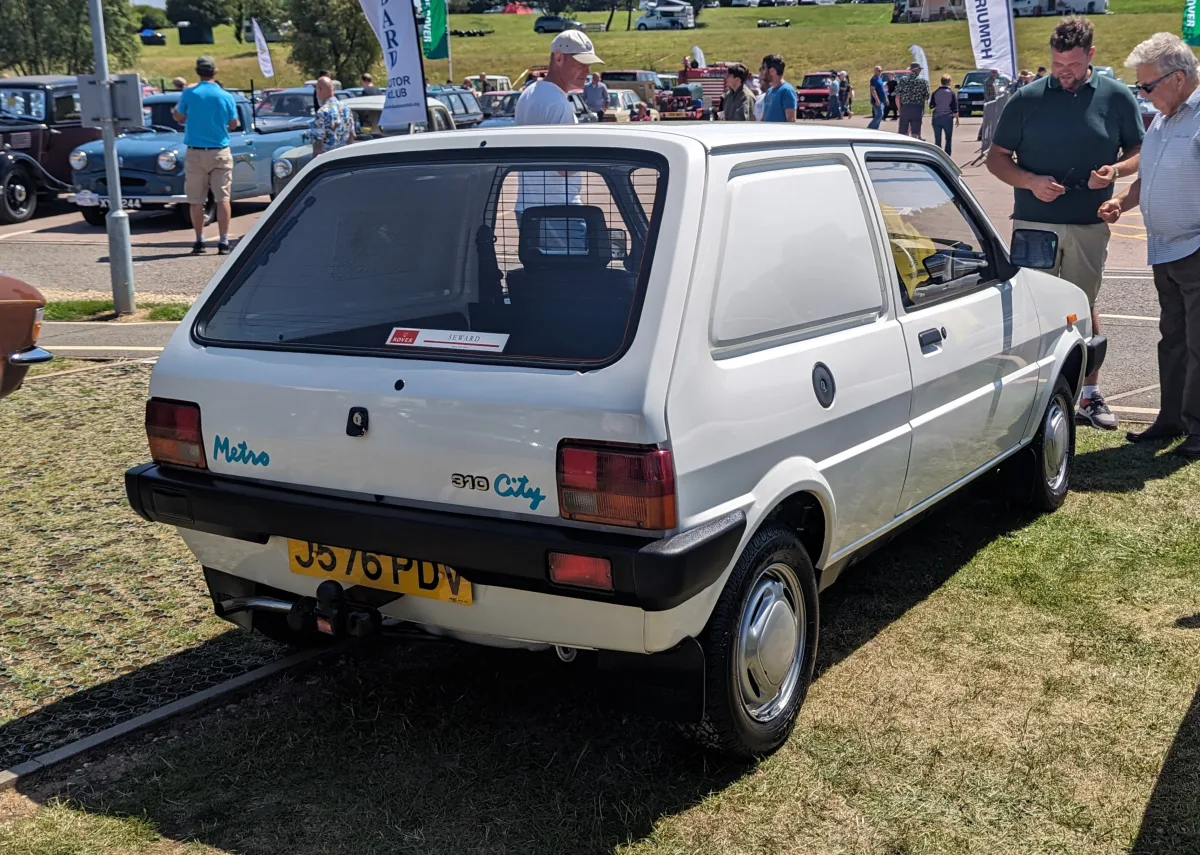
Rover Metro: features, engines and what to know when buying
Rover Metro — a compact British city hatchback. This name has been used since 1990, when a completely revised generation was introduced; later, until 1998, the model became known as the Rover 100. In this article, we look at its features, engines, and things to check before buying.






Metro in brief
Metro — a compact, practical hatchback, the first generation of which was produced from 1980 as the Austin Metro. In 1990, a revised version with a new body and new engine was introduced, and this generation was called the Rover Metro, later the Rover 100.
Today, this is a rare old car, which is often chosen as a collector's item or an affordable city runabout.
Which version to choose
The entire Metro history is divided into two parts: Austin Metro (1980–1990) with old A-series engines and Rover Metro (from 1990) with new K-series engines. The Austin Metro is now valued as a classic model.
The later Rover Metro is more modern, economical, and comfortable. The key thing is the condition of the specific car and its service history.
Engines and gearboxes
The later Rover Metro has K-series petrol engines — 1.1-litre and 1.4-litre. Sportier versions, such as the GTi, came with a more powerful 1.4-litre engine.
The gearbox is usually manual, but there were also automatic versions.
What to check when buying a used Metro
K-series engines are known for head gasket failures, so it's essential to check if coolant isn't leaking and if the engine isn't overheating. This is one of the most critical areas.
Check the „Hydragas“ suspension — over time it can lose pressure and the car can sag. Inspect the body for rust, especially the sills and front end.
Parts and specialists may be harder to find, as the model is no longer in production. Check the availability of parts before buying.


Trim levels
Names and equipment vary by market and year; we list the versions most commonly found in Europe.
Metro City
1990–1998A more basic, budget-friendly version.
- Often the 1.1-litre engine
- More basic interior trim
- Often — standard equipment
Metro S
1990–1998Mid-range version with more equipment.
- Often the 1.1 or 1.4-litre engine
- Often — additional comfort features
- Often — better interior trim
Metro GTi
1990–1998A sportier version with a more powerful engine.
- More powerful 1.4-litre engine
- Sportier looks and suspension
- Often — sport seats
Comparing versions
| City | S | GTi | |
|---|---|---|---|
| Who it's for | For everyday city driving | For daily use | For sportier driving |
| Engine (most common) | 1.1-litre | 1.1 or 1.4-litre | 1.4-litre |
| Price in the used market (relatively) | Budget | Budget | Mid-range |
Most buyers will be happy with the base model, but if you're after something more lively, the GTi is worth considering. Above all, condition is key.
Pros
- Small and practical in the city
- Simple technology
- Low price
- Rare and old model
Cons
- Risk of head gasket failure in K-series engines
- Corrosion and Hydragas suspension issues
- Parts can be hard to find
Frequently asked questions
What's the difference between the Austin Metro and Rover Metro?
The Austin Metro was produced from 1980, while the Rover Metro name was used from 1990 after the facelift.
What engines were in the Rover Metro?
Most commonly, K-series petrol engines — 1.1 and 1.4 litres.
What's the most common Rover Metro problem?
Head gasket failure and Hydragas suspension wear.
Updated 2026-10-19 · Trim levels and equipment vary by market and model year — check the equipment of the specific car. · Translated automatically


