 English
 Lietuvių
 Latviešu
 Eesti
 Polski
 Русский
 Українська
 Deutsch
 Nederlands
 Čeština
 Slovenčina
 Svenska
 Norsk
 Dansk
 Suomi


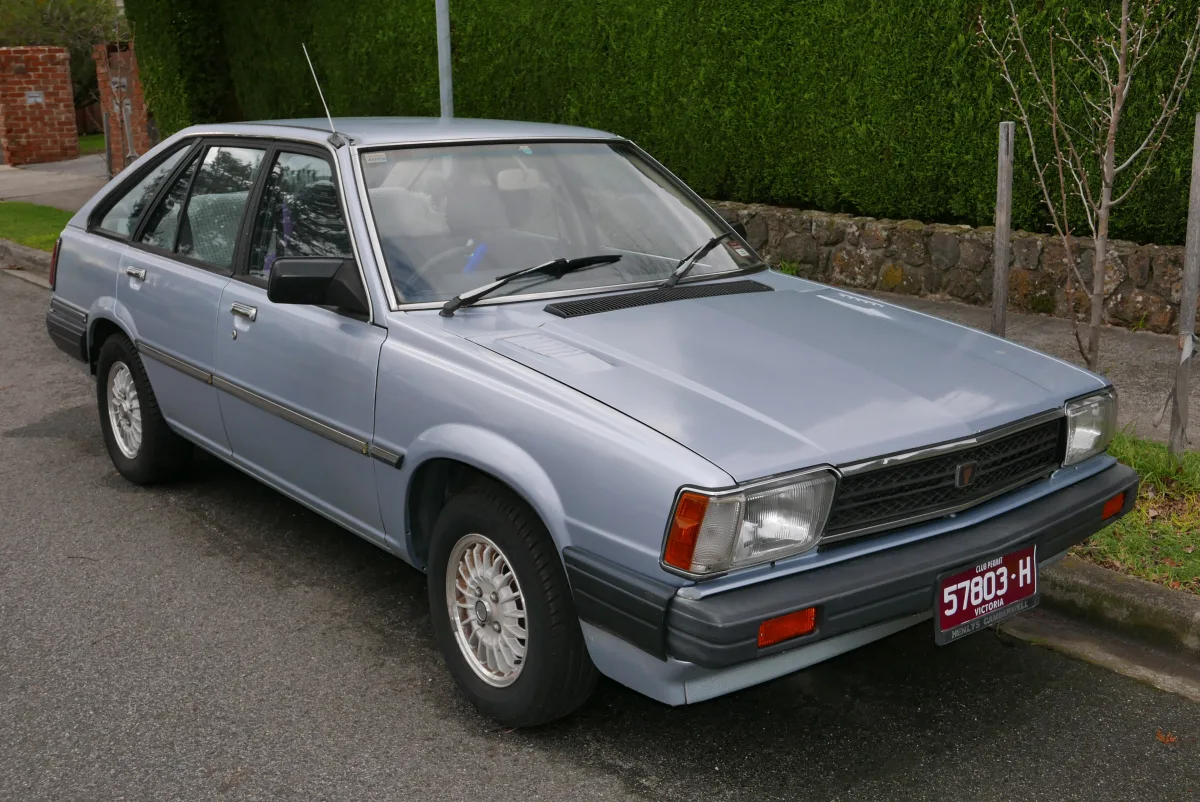
Rover Quintet: The Honda Quint with a Rover badge, what you need to know
The Rover Quintet — the five-door hatchback version of the Honda Quint, sold in Australia between 1983 and 1985 with a Rover badge. In this article, we look at its origins, engine, and what to look for if you're interested in this rare classic car.






The Quintet in brief
The Honda Quint — a five-door hatchback (liftback) produced in Japan from 1980 to 1985, based on the Honda Civic but more luxurious. In Europe and Southeast Asia, it was sold as the Honda Quintet, and in Australia from 1983 to 1985, it received the Rover badge and the name Rover Quintet.
The car is compact, weighing around 900 kg, with an economical engine and a simple design. There are hardly any of these cars in Lithuania, making it more of a collector's item.
What sets it apart
The Rover Quintet featured woodgrain trim and cloth upholstery. Higher trims came with a speed-sensitive power steering (top versions), air conditioning, central locking, electric windows, and a sunroof.
In 1985, the Quint was replaced by the Honda Quint Integra, which was significantly more modern.
Engine and transmission
The main engine is a 1.6-litre four-cylinder EP-type CVCC, producing around 80 PS (~79 bhp). This is an older design engine, suited to smooth, economical driving.
Transmissions available were a five-speed manual or an optional three-speed semi-automatic Hondamatic. Drive is to the front wheels, with independent suspension featuring MacPherson struts.
What to check when buying a Rover Quintet
Japanese cars from this era can be susceptible to rust, so check the floors, sills, wheel arches, and boot area.
The CVCC engine has a specific carburetor and vacuum hose system — it needs a knowledgeable mechanic and the right parts. Check that the engine starts easily and runs smoothly.
The Hondamatic gearbox is rarer and more complex to repair, so if possible, opt for a manual gearbox. Honda Quint or Civic communities can help with parts.


Trim levels
Trim levels are specified in the description, as names varied by market.
Su 5 pakopų mechanine dėže
1983–1985The most common and easiest to maintain variant.
- 5-speed manual gearbox
- 1.6-litre CVCC engine (around 80 PS)
- Simple design
Su Hondamatic
1983–1985Semi-automatic gearbox with a clutch but no pedal.
- 3-speed semi-automatic gearbox
- Easier driving in the city
- Rarer and more complex to fix
Aukštesnės įrangos versija
1983–1985Version with more comfort.
- Often comes with air conditioning and central locking
- Often features electric windows and a sunroof
- Speed-sensitive power steering
Comparing versions
| Mechaninė | Hondamatic | Aukštesnė įranga | |
|---|---|---|---|
| Who it's for | Everyday use and collecting | Smooth city driving | Comfort and rarity |
| Engine | 1.6-litre, around 80 PS | 1.6-litre, around 80 PS | 1.6-litre, around 80 PS |
| Price in the used market (relatively) | Budget | Budget | Mid-range |
For most buyers, the best choice is a well-maintained car with a manual gearbox. Higher-spec versions are more valuable due to comfort and rarity.
Pros
- Rare, collectible car
- Lightweight and economical engine
- Reliable, straightforward Honda mechanics
- Practical five-door body
Cons
- Rarely seen in Lithuania, parts can be hard to find
- Risk of corrosion after many years
- Modest power by today's standards
Frequently asked questions
Is the Rover Quintet really a Honda?
Yes, it's a Honda Quint with a Rover badge, sold in Australia from 1983 to 1985
What engine does the Rover Quintet have?
A 1.6-litre four-cylinder CVCC engine, producing around 80 PS.
Was the Rover Quintet sold in Europe?
In Europe, this model was sold as the Honda Quintet, with the Rover badge used in Australia.
Updated 2026-10-21 · Trim levels and equipment vary by market and model year — check the equipment of the specific car. · Translated automatically


