 English
 Lietuvių
 Latviešu
 Eesti
 Polski
 Русский
 Українська
 Deutsch
 Nederlands
 Čeština
 Slovenčina
 Svenska
 Norsk
 Dansk
 Suomi


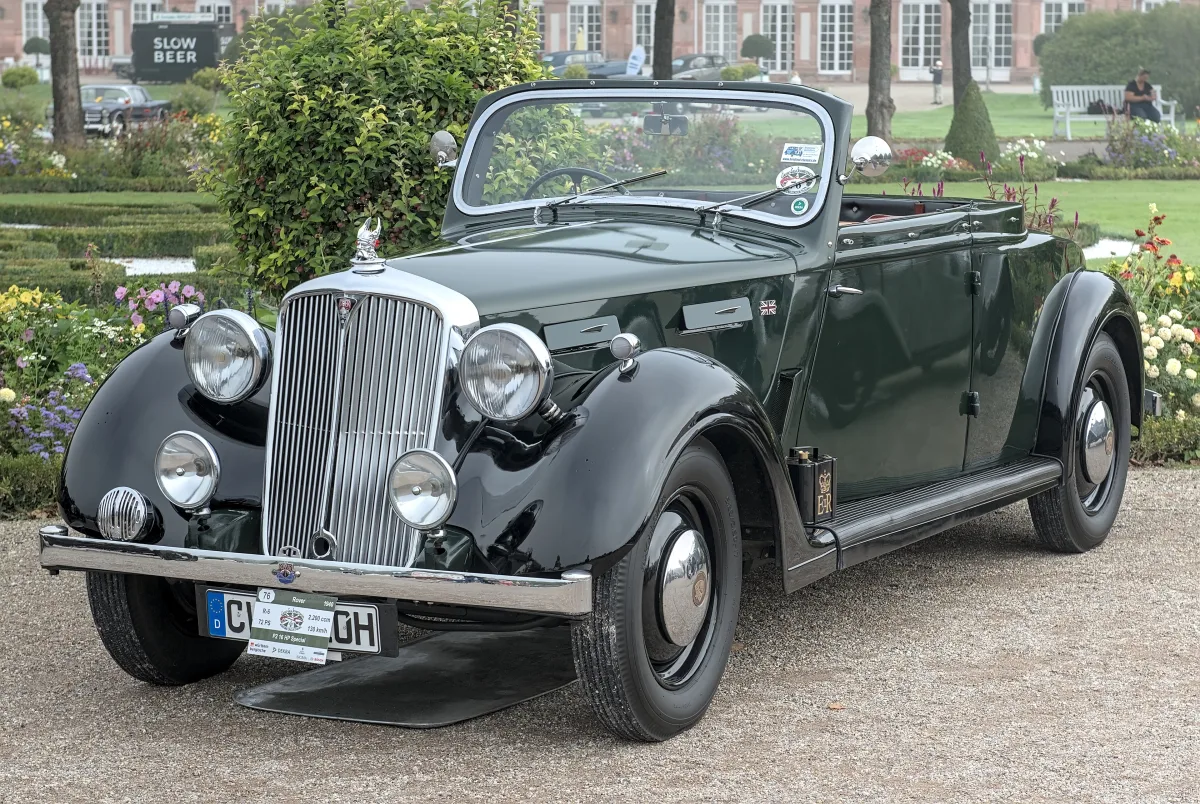
Rover 16: the interwar Rover with a six-cylinder engine — history and buying advice
The Rover 16 is an interwar Rover car, known as the 'Sixteen'. Today, it's a classic model for collectors, so we're looking at its body styles, tech, and what to check before buying one.






Rover 16 in brief
The Rover 16 was one of the mid-range models in the British marque's family of cars, which included both smaller and more powerful variants. The '16' in the name referred to the approximate horsepower rating for tax purposes.
The car was renowned for its high-quality build, luxurious interior, and robust construction, making it a solid choice for discerning buyers.
Body styles and trims
The Rover 16 was offered as a closed saloon and an open tourer or drophead coupé, as body styles were often custom-made to order back then. As a result, surviving cars vary in appearance.
This model features a classic design line: a long bonnet, separate wings, and a vertical grille section with the Rover emblem.
Engine and gearbox
The Rover 16 was fitted with a six-cylinder petrol engine, around 2.1 litres in capacity. It was known for its smooth and quiet operation, with enough power for relaxed driving.
The gearbox is manual, with several speeds. Operating this old-school tech differs from modern cars, so some practice is needed.
What to check when buying a Rover 16
First and foremost — provenance, paperwork and restoration history. Few of these cars survive, so you might find restored or frankensteined examples.
Check the chassis, wooden body parts (if any), suspension, brakes and engine. Parts selection is limited, but there are Rover clubs and specialist suppliers in the UK that can help maintain these cars.


Trim levels
The Rover 16 trim levels depended on the body type and manufacturer; we outline the main variants.
Rover 16 Saloon
Interwar periodThe four-door saloon — the most practical option.
- Four-door body
- Often with leather or cloth upholstery
- Classic chrome detail
Rover 16 Tourer / Drophead
Interwar periodOpen-top — rarer and more demanding.
- Fabric roof
- Open-top driving
- Rarer and pricier than the saloon
Body style comparison
| Saloon | Tourer | Drophead coupé | |
|---|---|---|---|
| Who it's for | Shows off and is great for relaxed driving | Open-top driving | For collectors |
| Body style | Closed | Open | Partially open |
| Engine | Six-cylinder | Six-cylinder | Six-cylinder |
| Price in the used market (relatively) | Mid-range | High-end | High-end |
The Saloon is a sensible route into an interwar Rover, while the Tourer and Drophead are more suited to collectors seeking a unique automobile.
Pros
- Classic British styling
- High-quality interior and robustness
- Six-cylinder powerhouse
- Strong collector's potential
Cons
- Very limited supply
- Parts need to be sourced abroad
- Specialists and knowledge of classic cars required
Frequently asked questions
What does the name '16' mean?
It's an approximate taxable horsepower figure used in Britain at the time, not the actual engine power.
Is the Rover 16 suitable for daily use?
No. It's a collector's car, better suited to shows and events than everyday driving.
Are parts easy to find?
Not easy, but Rover clubs and specialist suppliers in the UK help to source most parts.
Updated 2026-10-21 · Trim levels and equipment vary by market and model year — check the equipment of the specific car. · Translated automatically


